
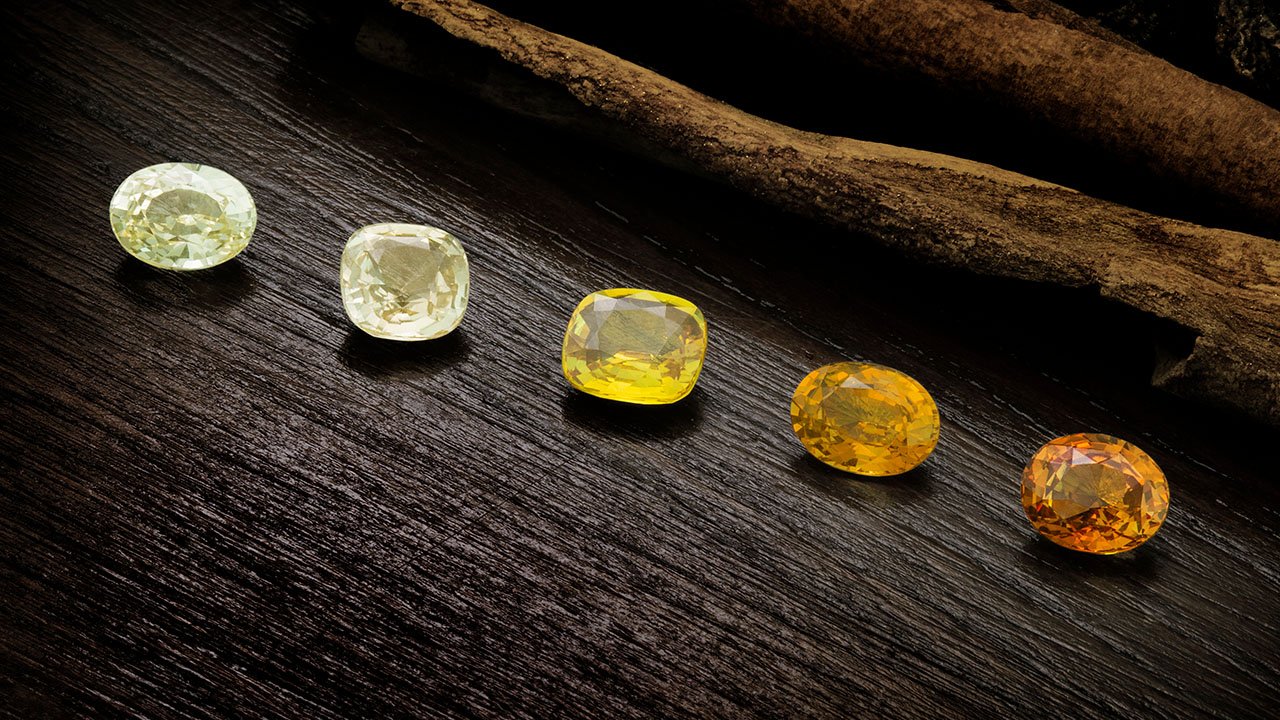
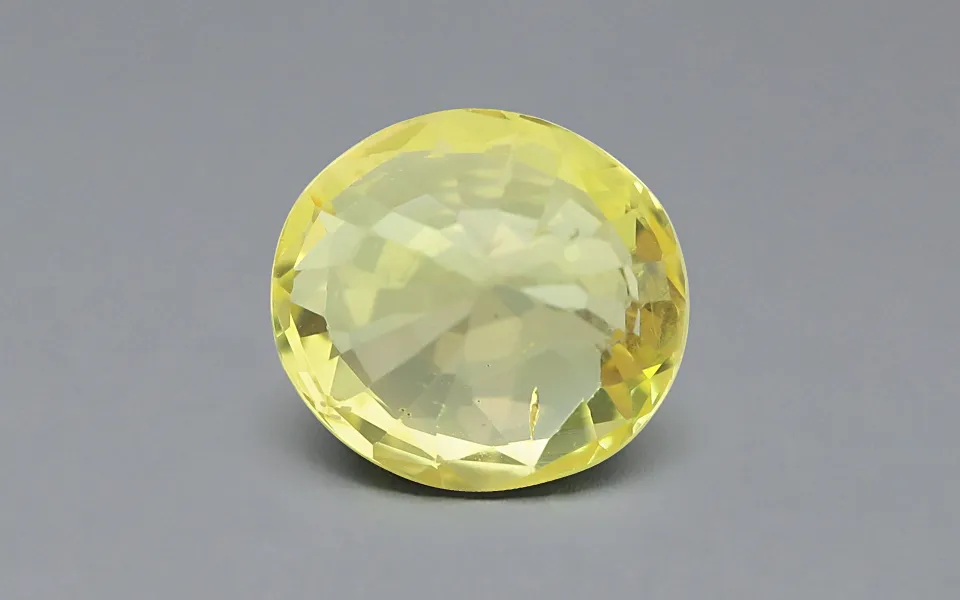
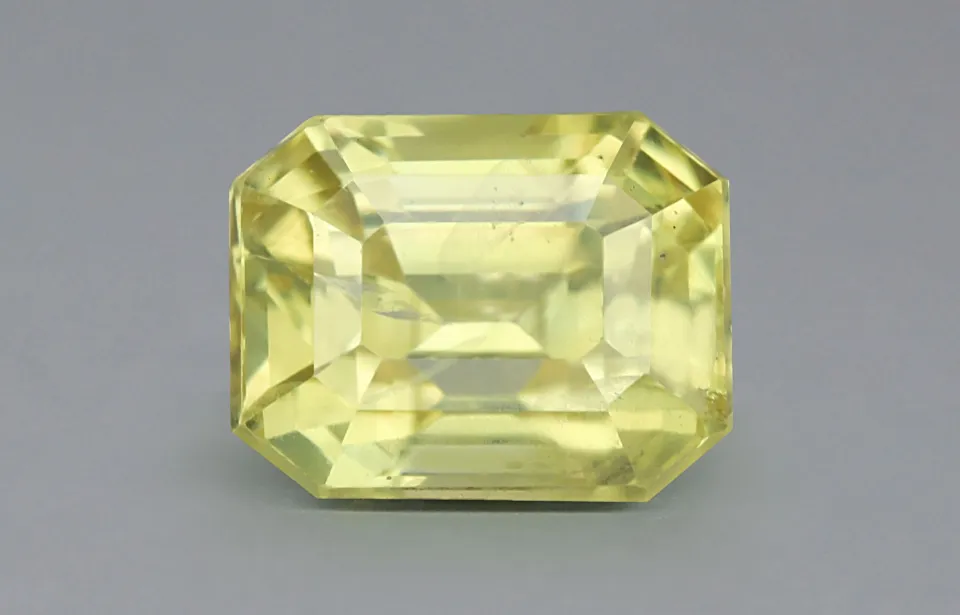
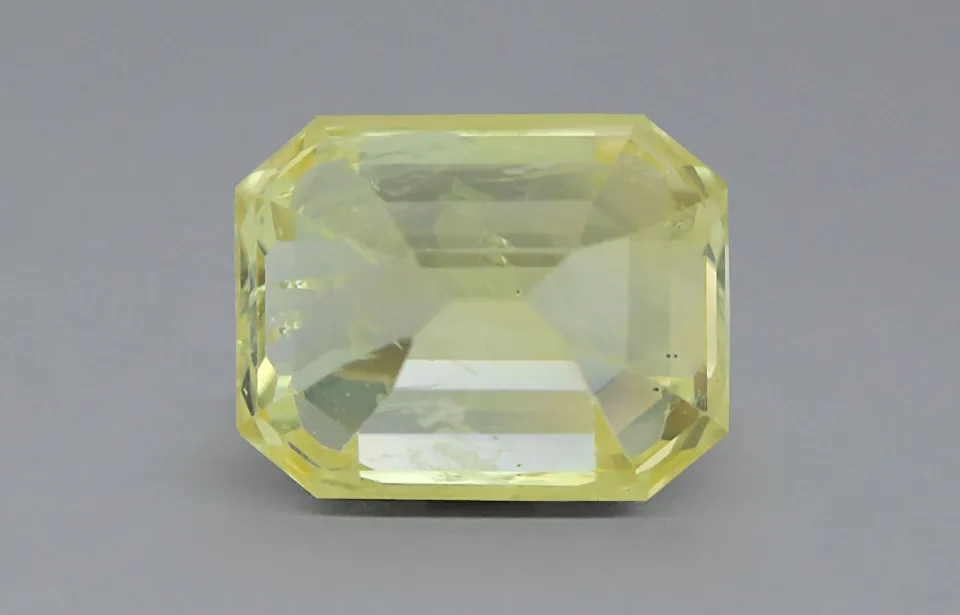
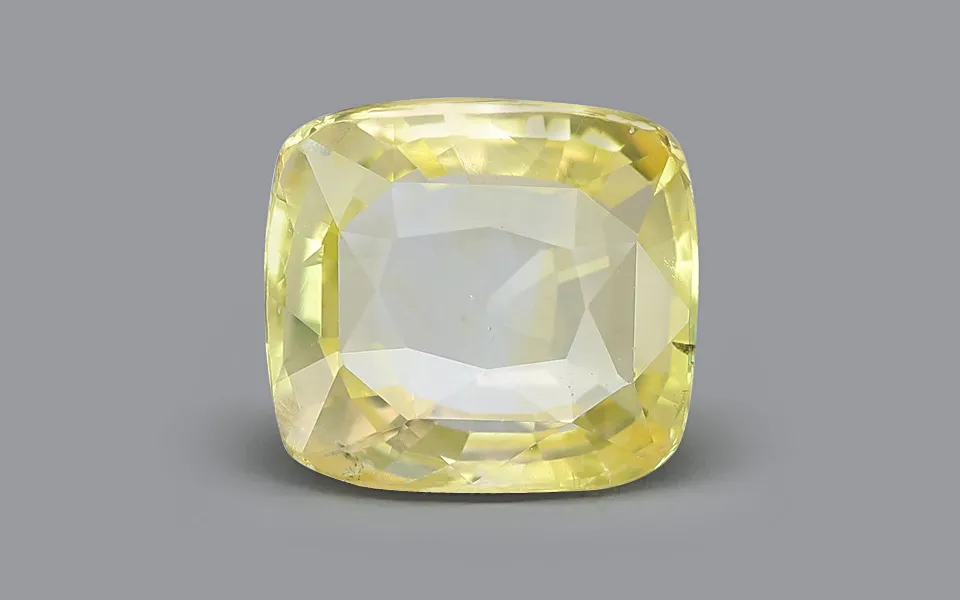
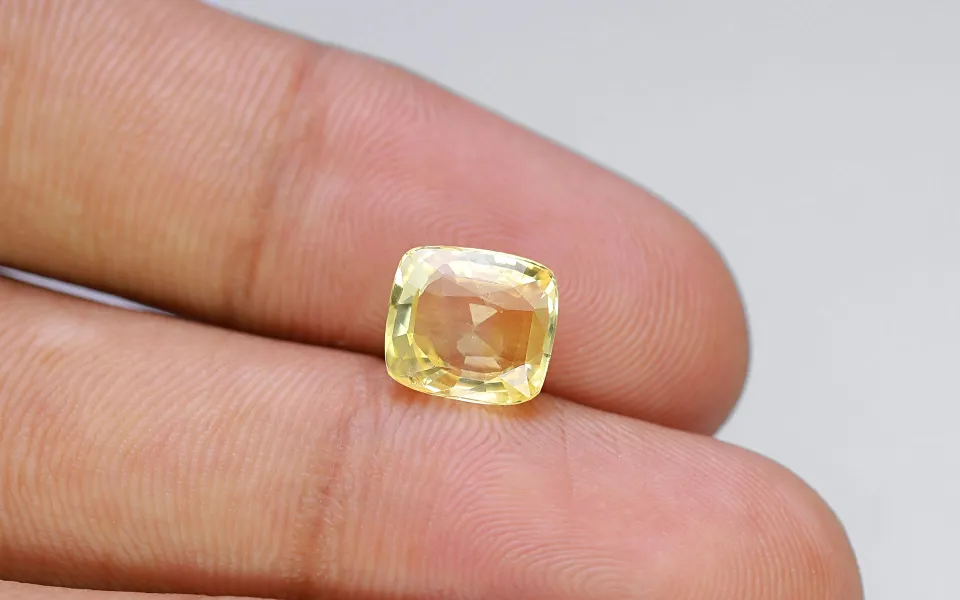
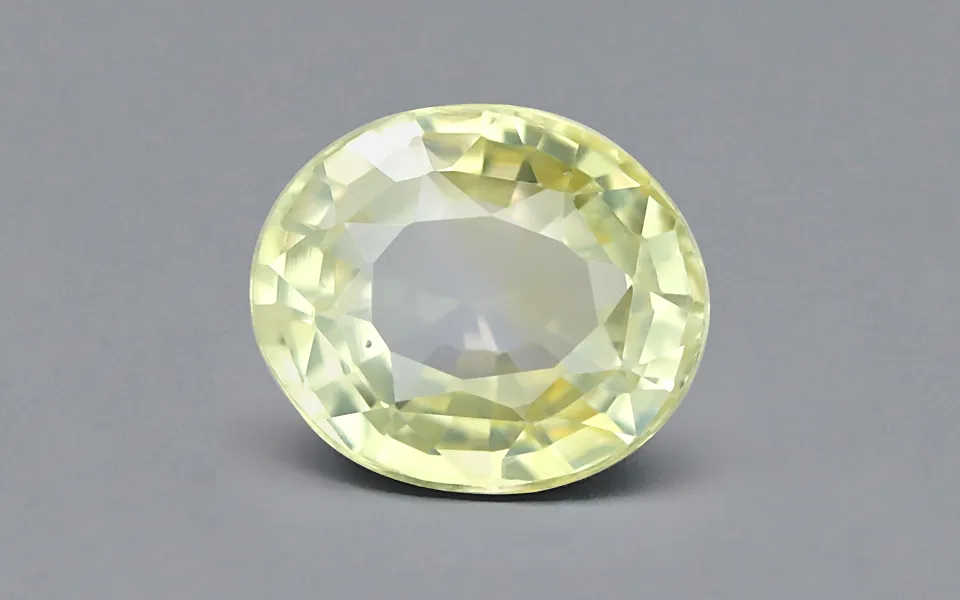
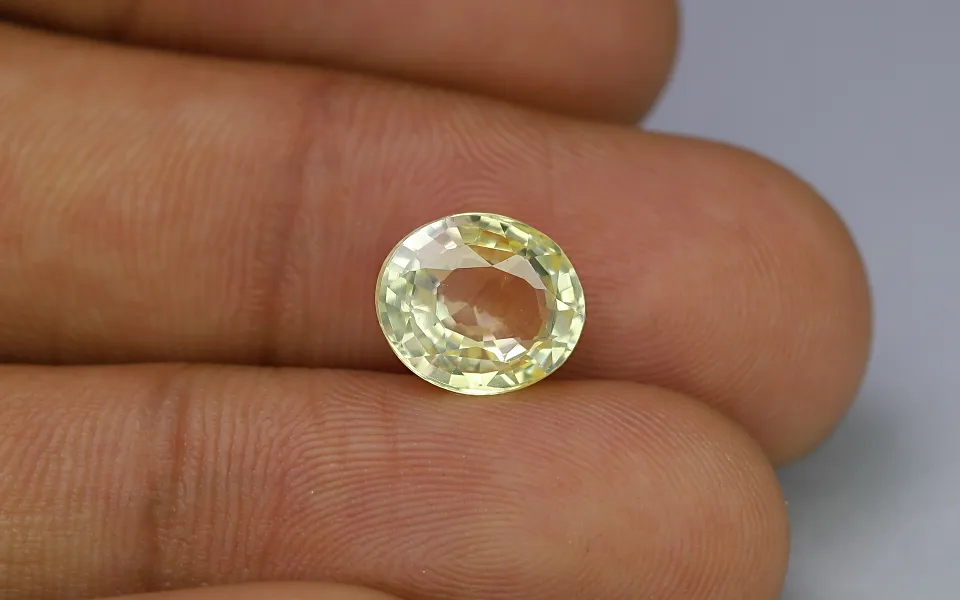
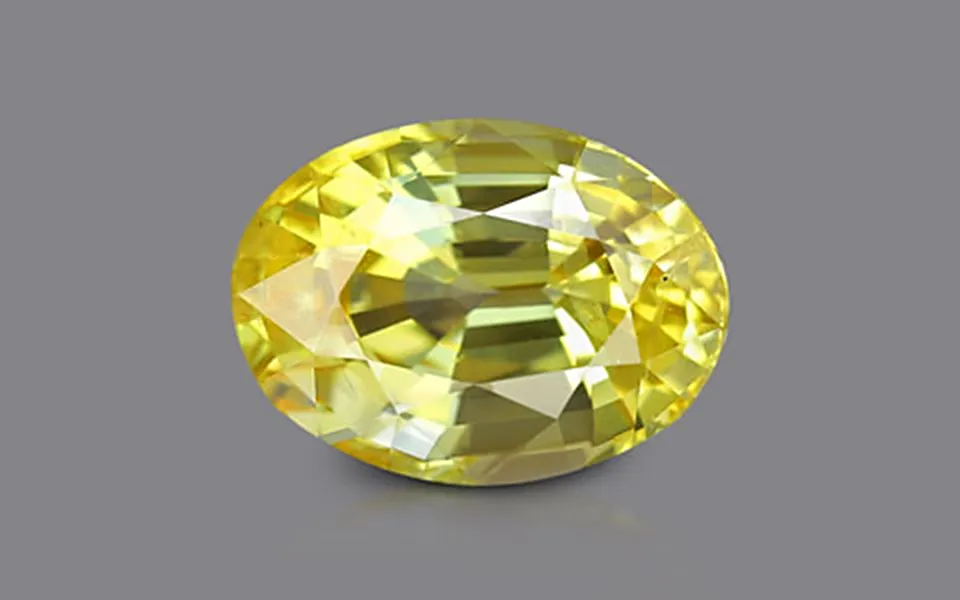
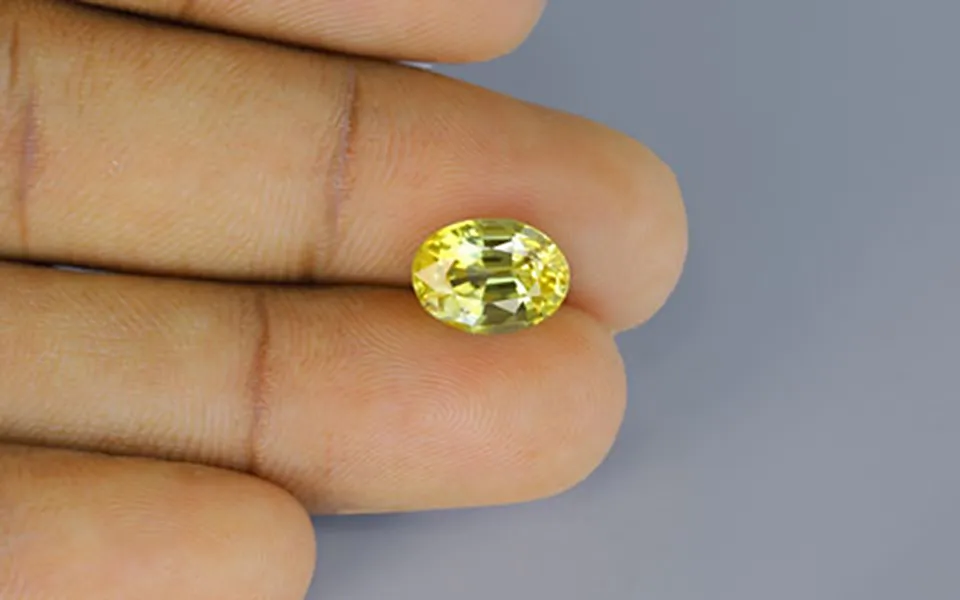
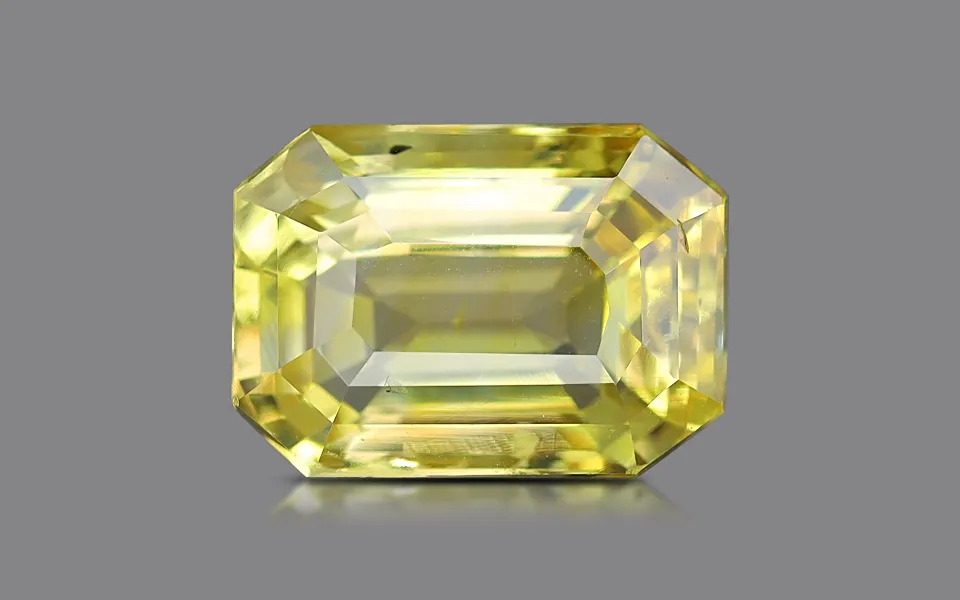
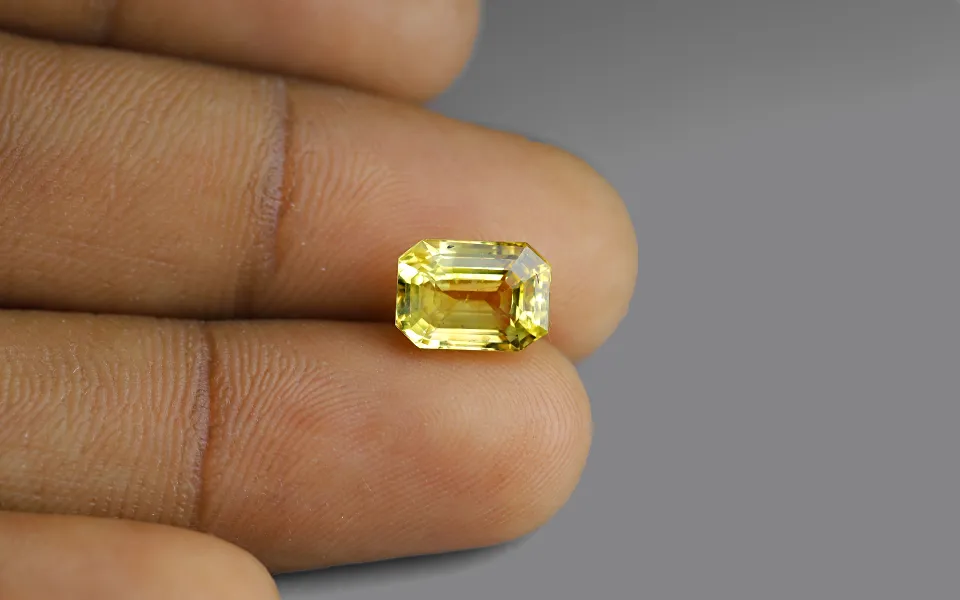
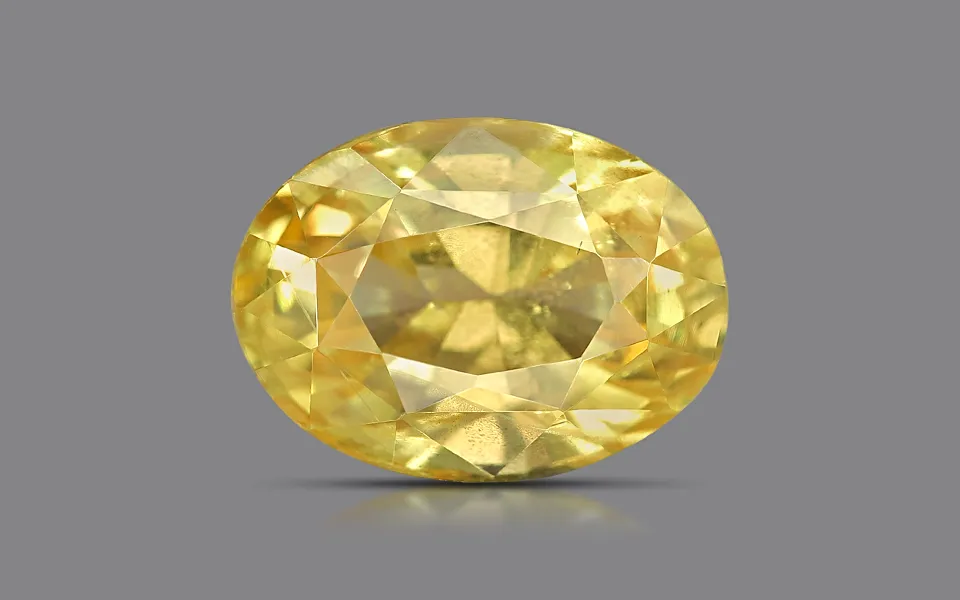
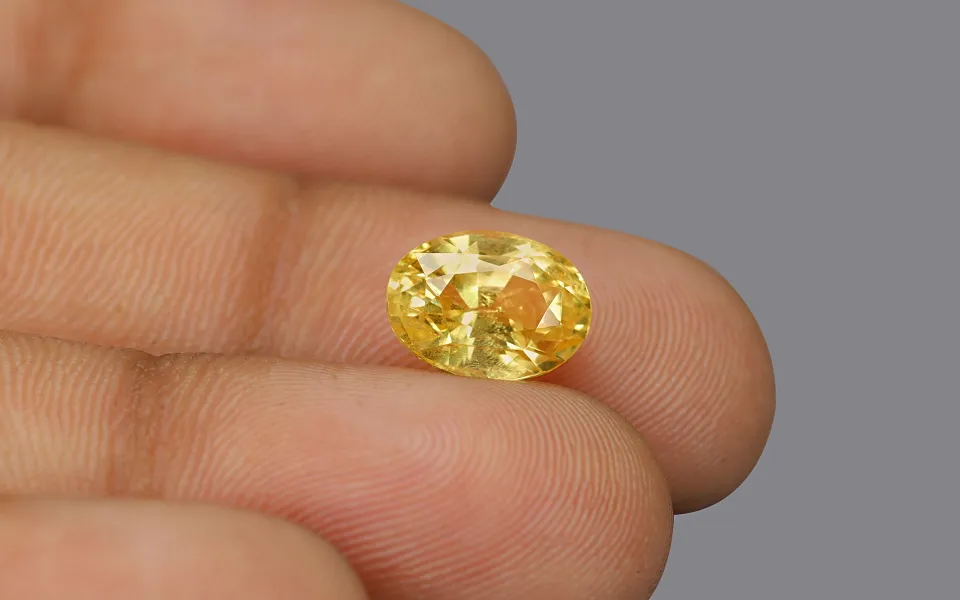
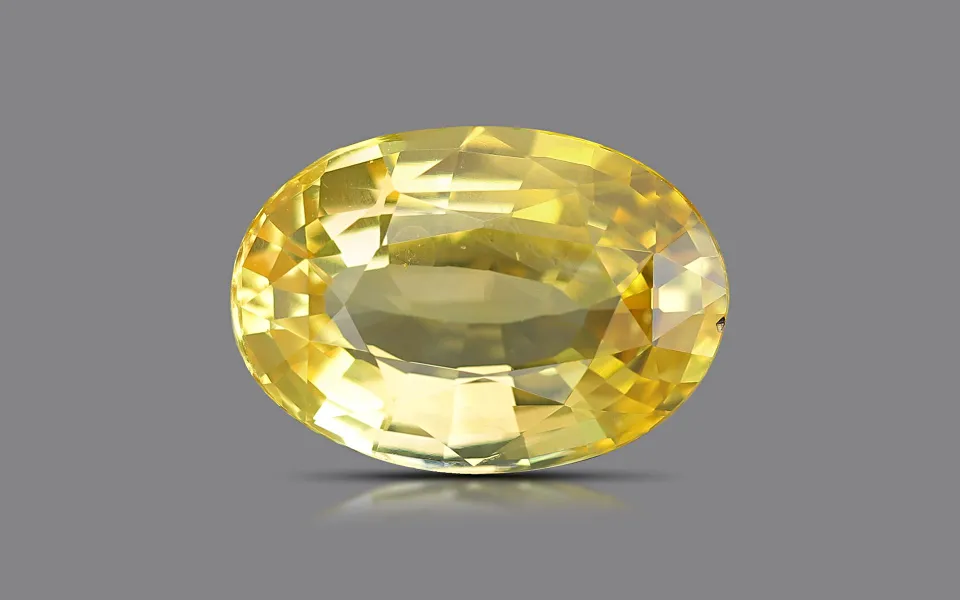
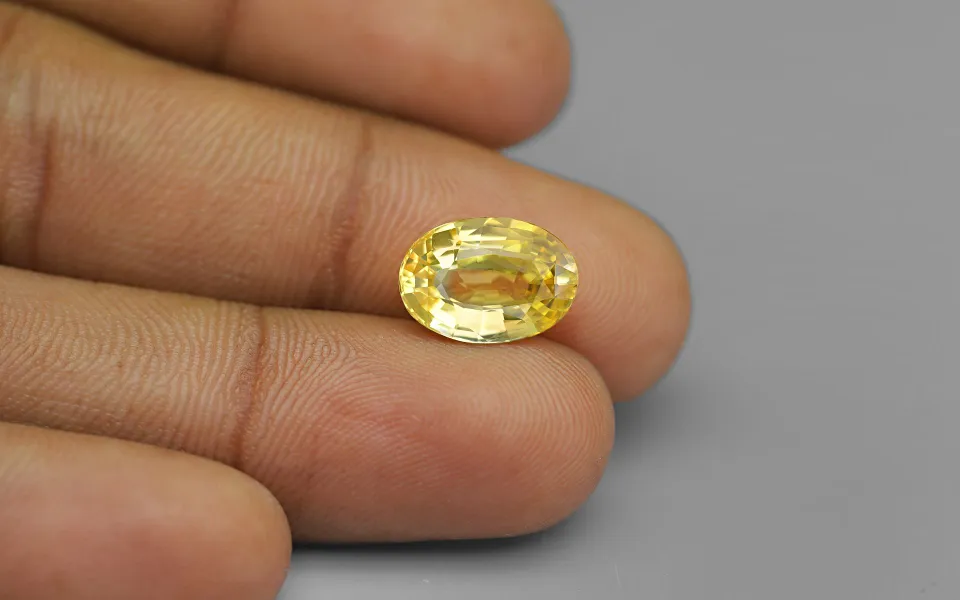
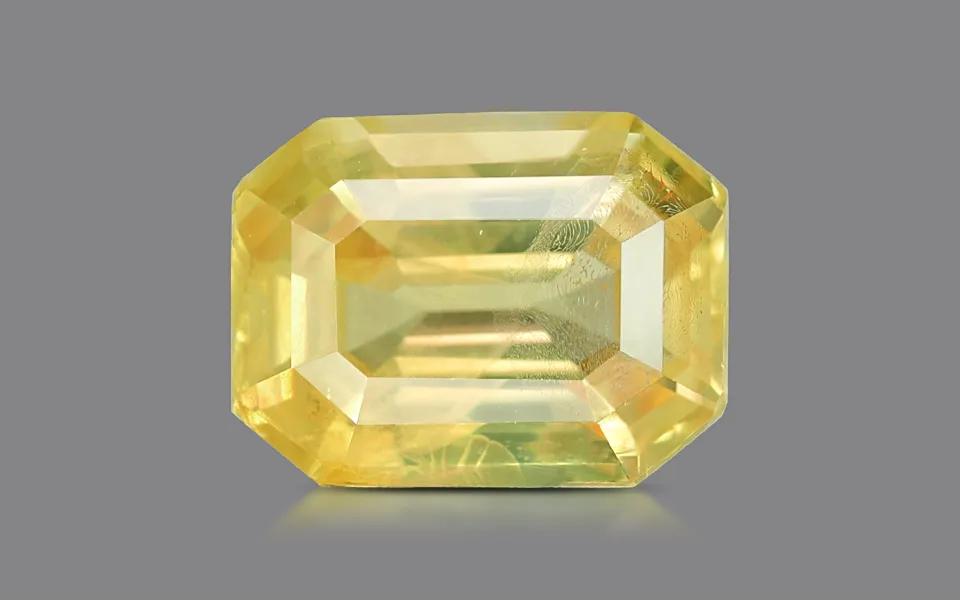
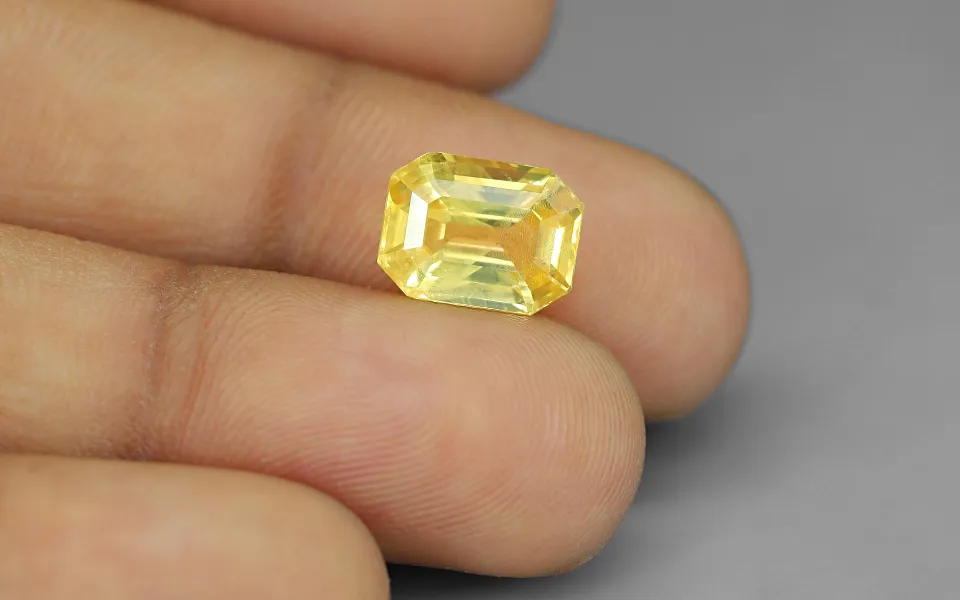
Yellow Sapphire, known as Pukhraj in Vedic astrology, is one of the nine Navratna gemstones and is associated with the planet Jupiter (Guru). It is traditionally worn by those seeking to strengthen Jupiter’s influence in their birth chart — believed to support wisdom, prosperity, marital harmony, and career growth. Astrologers typically recommend Pukhraj for individuals whose Jupiter is weak or unfavorably placed, and it is considered especially significant for those in education, finance, law, and teaching professions, where Jupiter’s qualities of knowledge and sound judgment are valued.
The value of a Yellow Sapphire depends on several factors: carat weight, depth and evenness of color, clarity, and most importantly, origin and treatment. Ceylon (Sri Lankan) Yellow Sapphires are widely regarded as superior for astrological use because they are typically natural and untreated, unlike many Bangkok-treated stones sold at lower prices. A genuine, unheated Ceylon Pukhraj with strong color saturation commands a meaningfully higher price than a heat-treated stone of the same carat weight — which is why certification matters as much as the visual appearance of the stone.
At Trishul Gems, every Yellow Sapphire is lab-certified with full treatment disclosure, so you know exactly what you’re buying before you wear it for astrological purposes.
Yellow Sapphire is generally recommended for individuals with a weak or unfavorably placed Jupiter in their birth chart, particularly those in education, law, finance, or teaching. It's best worn after consulting an astrologer to confirm compatibility with your specific chart.
Ceylon (Sri Lankan) Yellow Sapphires are typically natural and untreated, making them more valuable and preferred for astrological use. Bangkok-treated stones are heat-processed to improve color and are sold at a lower price point, but are generally considered less effective for astrological purposes since treatment alters the stone's natural properties.
The most reliable way is a gemological lab certificate, which confirms whether the stone is natural, identifies its origin, and discloses any treatment. Visual inspection alone cannot reliably distinguish a natural stone from a treated or synthetic one.
No account yet?
Create an Account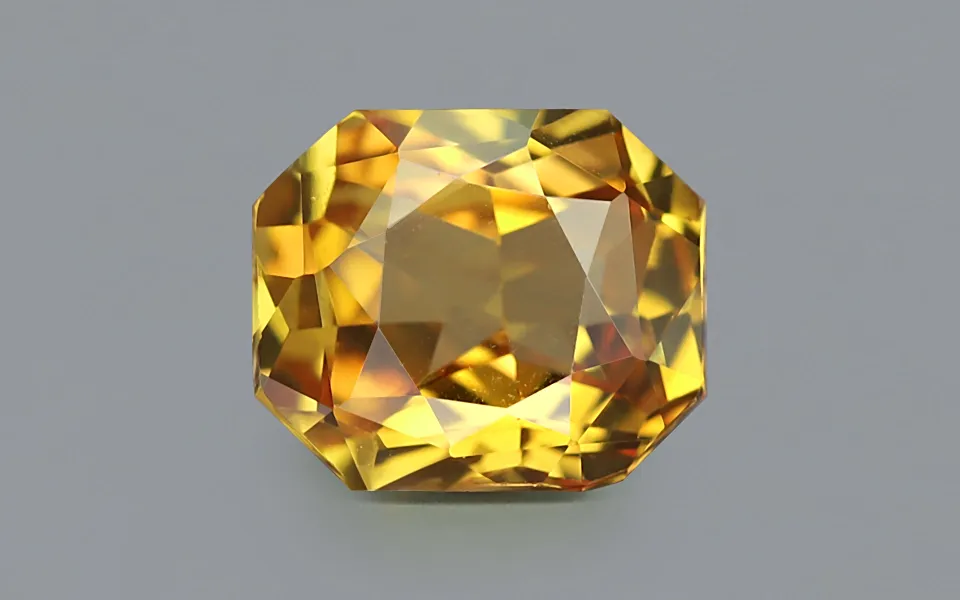
 Blue Sapphire
 Yellow Sapphire
 Emerald (Panna)
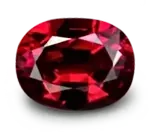 Ruby (Manik)
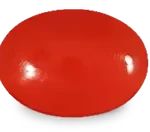 Red Coral
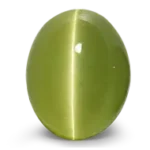 Cats Eye
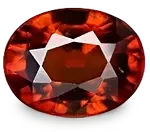 Hessonite
 Pearl
Pearl White Sapphire
 Amethyst
 Citrine
 Fire Opal
 Garnet
 Iolite
 Navratna
 Opal
Opal Peridot
 Pitambari Neelam
 Turquoise
 White Coral
 Yellow Topaz
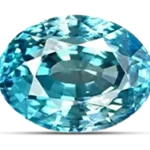 Zircon
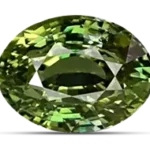 Alexandrite
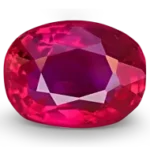 Burmese Ruby
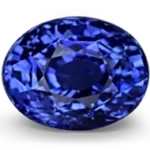 Cornflower Blue Sapphire
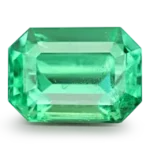 Colombian Emeralds
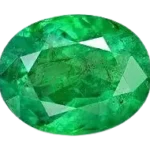 No Oil Emerald
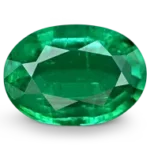 Panjshir Emerald
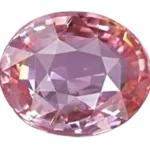 Padparadscha Sapphire
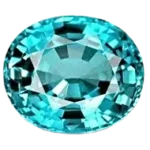 Paraiba Tourmaline
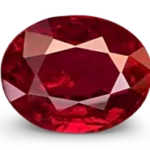 Pigeon Blood Ruby
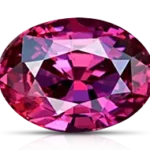 Pink Sapphire
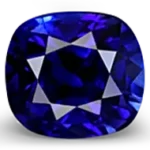 Royal Blue Sapphire
 Tanzanite
 Amber
Amber Ametrine
 Aquamarine
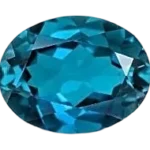 Blue Topaz
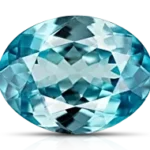 Blue Zircon
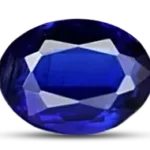 Kyanite
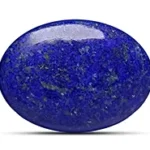 Lapis Lazuli
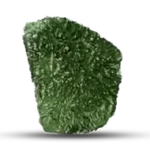 Moldavite
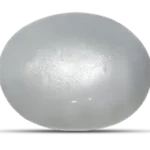 Moonstone
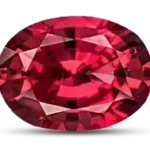 Spinel
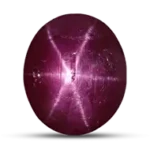 Star Ruby
 Tourmaline