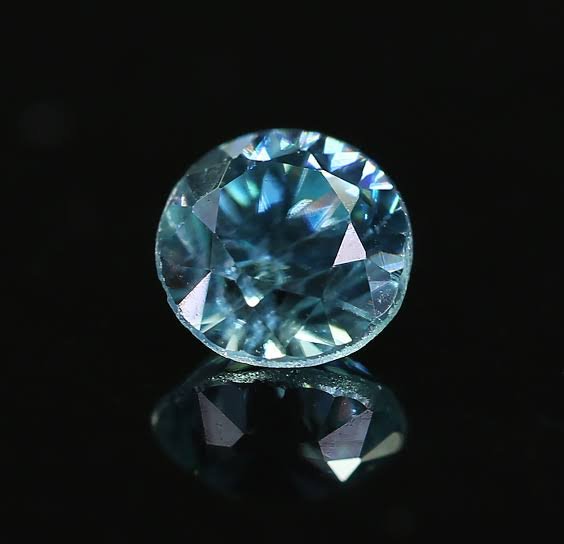
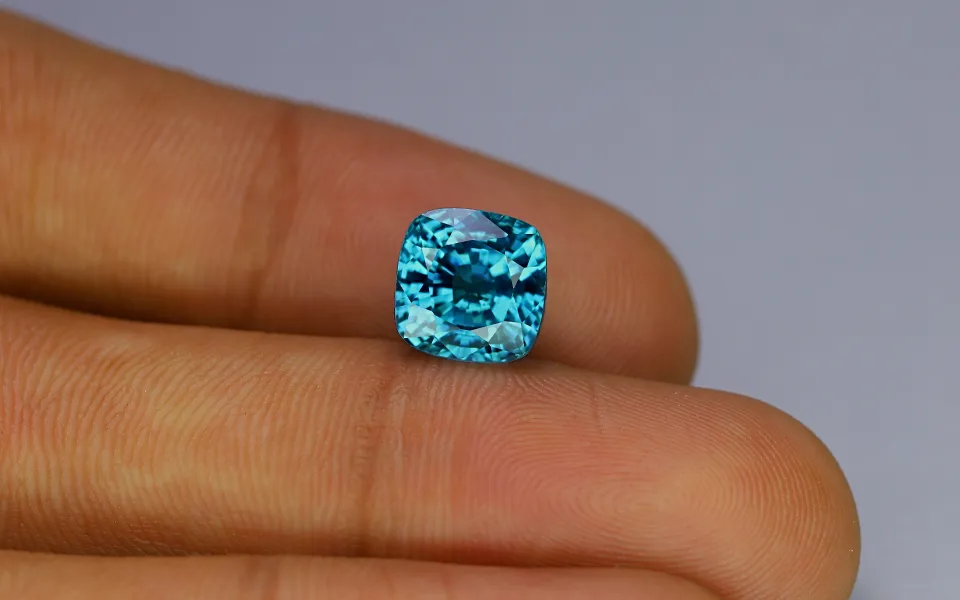
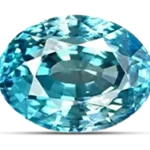
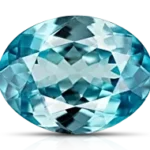
Zircon is a naturally brilliant gemstone, often confused with cubic zirconia (a man-made simulant with a similar-sounding name but no relation) — genuine Zircon is a distinct natural mineral with its own optical brilliance and fire. Blue Zircon, in particular, is sometimes used in contemporary practice as a Jupiter or Saturn-supporting stone, depending on regional tradition, valued for clarity of thought and calm.
Zircon pricing depends on color — blue and vivid green-blue stones are the most sought-after, achieved primarily through heat treatment of brownish rough material from Cambodia and Sri Lanka, which is the standard, accepted practice in the trade. Colorless and golden-brown Zircon, often left untreated, is also available and prized for its natural brilliance. Because heat treatment is so standard for blue Zircon specifically, it’s less of a value concern here than for stones like Sapphire — but origin and natural mineral identity (versus simulants) still matter for certification.
Trishul Gems certifies every Zircon as genuine natural mineral, distinguishing it clearly from cubic zirconia or other simulants.
No, despite the similar name, Zircon is a natural mineral with its own distinct chemical composition and brilliance, while cubic zirconia is a man-made diamond simulant — they are unrelated.
Most Blue Zircon is created through heat treatment of brownish rough Zircon, primarily sourced from Cambodia and Sri Lanka — this is standard, widely accepted practice in the gem trade.
Blue Zircon is sometimes used in contemporary practice to support Jupiter or Saturn energy depending on regional tradition, valued for promoting clarity and calm.
No account yet?
Create an Account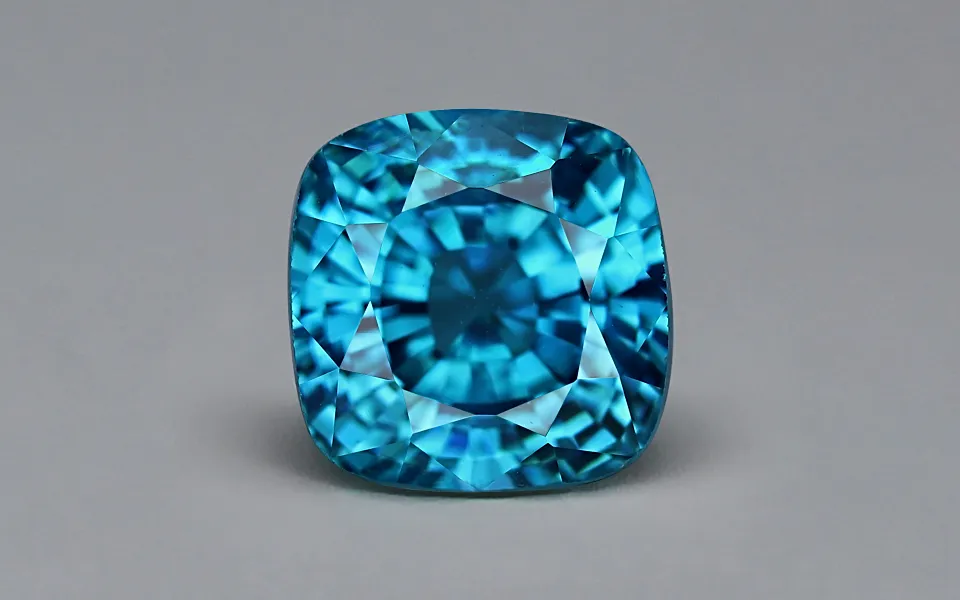
 Blue Sapphire
 Yellow Sapphire
 Emerald (Panna)
 Ruby (Manik)
 Red Coral
 Cats Eye
 Hessonite
 Pearl
Pearl White Sapphire
 Amethyst
 Citrine
 Fire Opal
 Garnet
 Iolite
 Navratna
 Opal
Opal Peridot
 Pitambari Neelam
 Turquoise
 White Coral
 Yellow Topaz
 Zircon
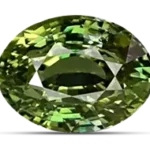 Alexandrite
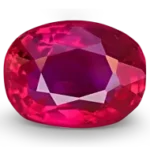 Burmese Ruby
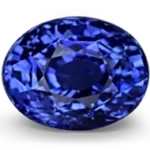 Cornflower Blue Sapphire
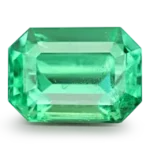 Colombian Emeralds
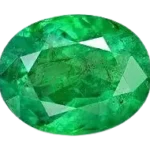 No Oil Emerald
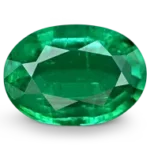 Panjshir Emerald
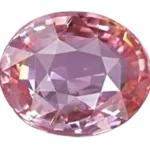 Padparadscha Sapphire
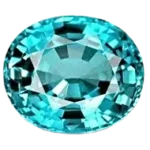 Paraiba Tourmaline
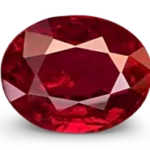 Pigeon Blood Ruby
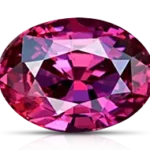 Pink Sapphire
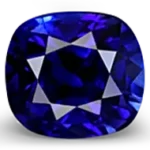 Royal Blue Sapphire
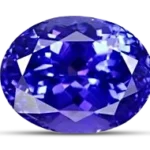 Tanzanite
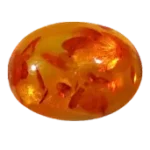 Amber
Amber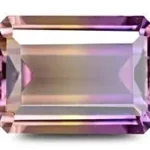 Ametrine
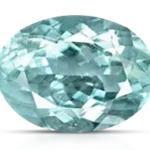 Aquamarine
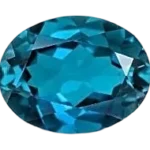 Blue Topaz
 Blue Zircon
 Kyanite
 Lapis Lazuli
 Moldavite
 Moonstone
 Spinel
 Star Ruby
 Tourmaline