
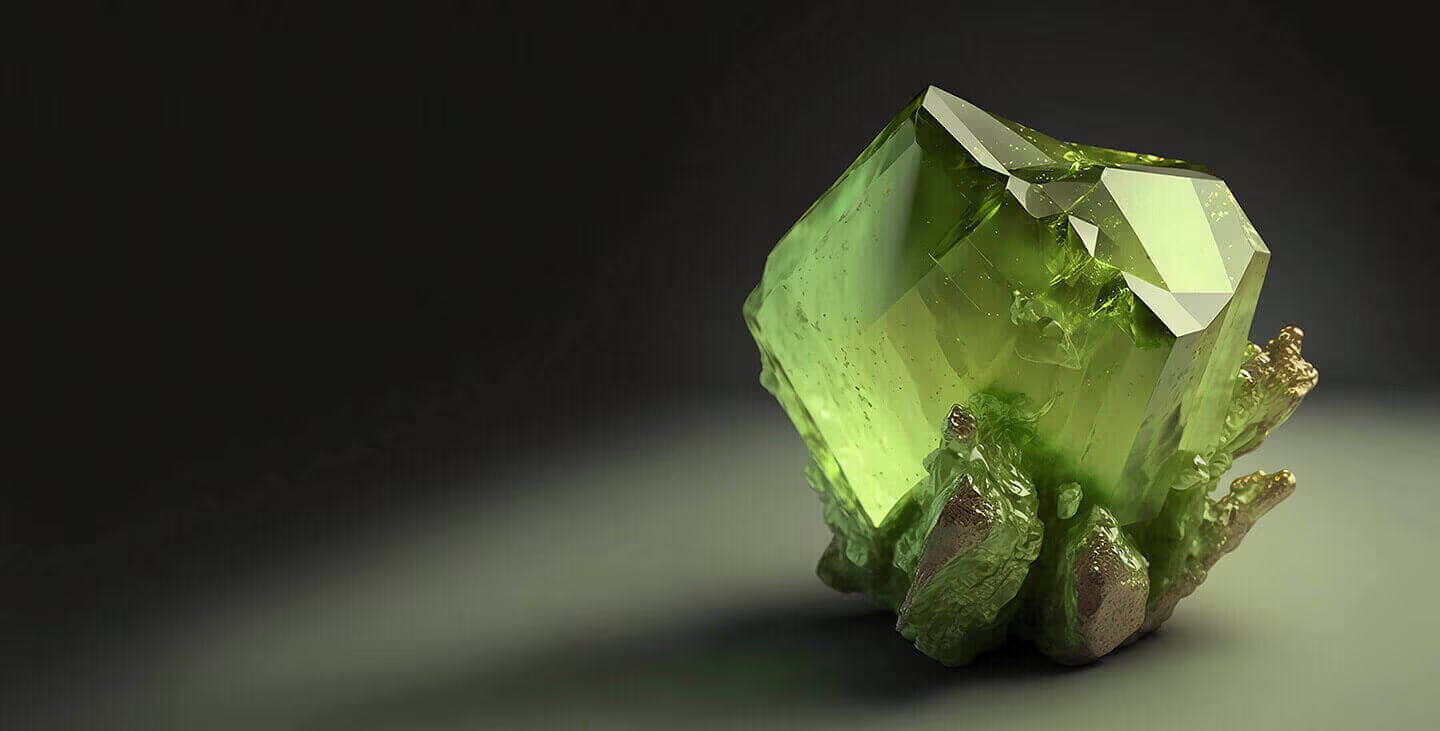
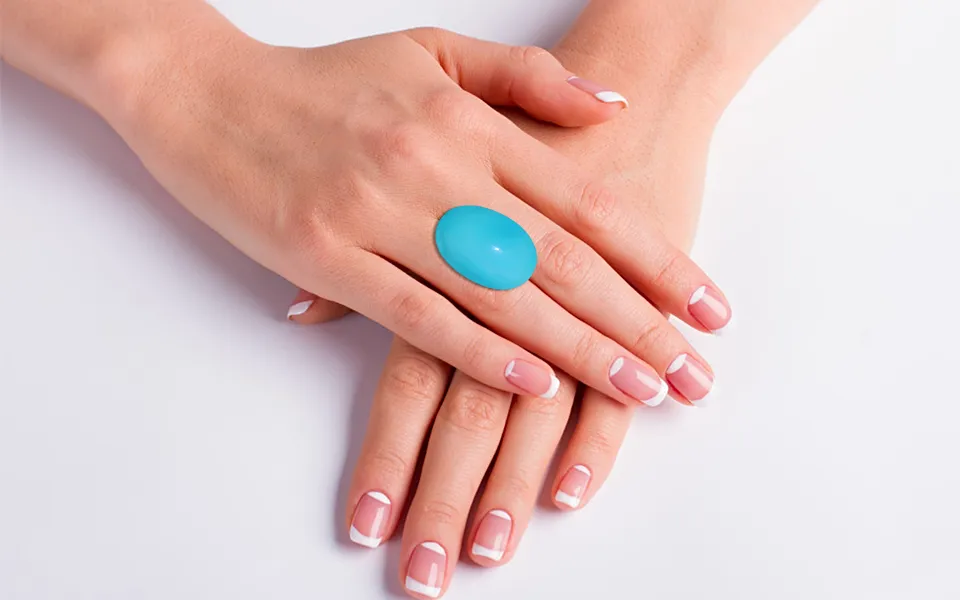
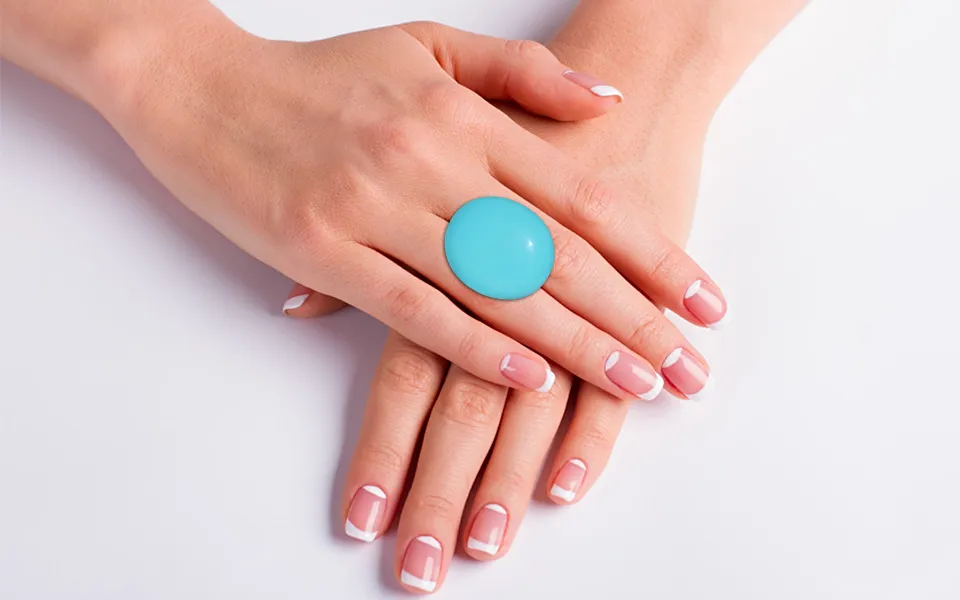
Turquoise is associated with Jupiter in some regional astrological traditions and is sometimes used as an alternative to Yellow Sapphire, valued for protection, communication, and good fortune. It holds significance across multiple cultures beyond Vedic astrology as well, historically worn as protective talismans in Persian, Native American, and Tibetan traditions.
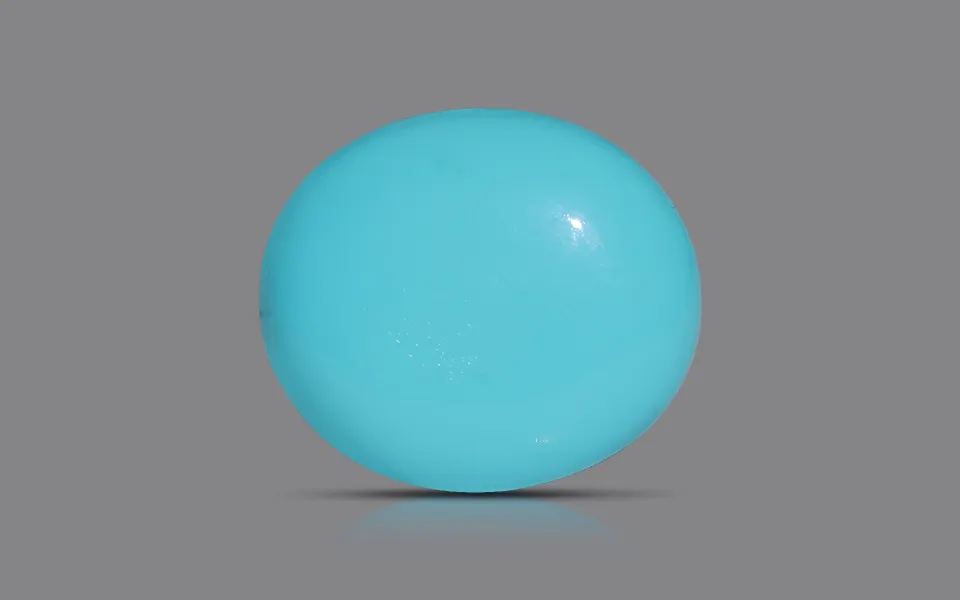
Turquoise pricing depends on color (a pure, even sky-blue without too much matrix veining is most prized, particularly from Iran/Persia), hardness, and the absence of treatment. Because natural Turquoise is relatively soft and porous, a large portion of commercially available material is stabilized (treated with resin to improve durability) — natural, untreated Turquoise from reputable sources like Iran or the southwestern United States commands a notable premium over stabilized material. Given how commonly Turquoise is treated, dyed, or imitated, certification is particularly important for buyers seeking it for astrological rather than purely decorative use.
Trishul Gems clearly discloses treatment status on every Turquoise piece, helping buyers distinguish natural stones from stabilized or imitation material.
Turquoise is sometimes used as an alternative to Pukhraj for Jupiter-related benefits in certain regional traditions, valued for protection and good fortune, though it is mineralogically unrelated to Sapphire.
It refers to natural Turquoise that has been treated with resin to improve its durability, since raw Turquoise is naturally soft and porous — this is common practice, but natural, untreated stones are more valuable.
Persian (Iranian) Turquoise is historically considered among the finest for its pure, even sky-blue color, though good-quality material is also sourced from the southwestern United States and parts of China.
No account yet?
Create an Account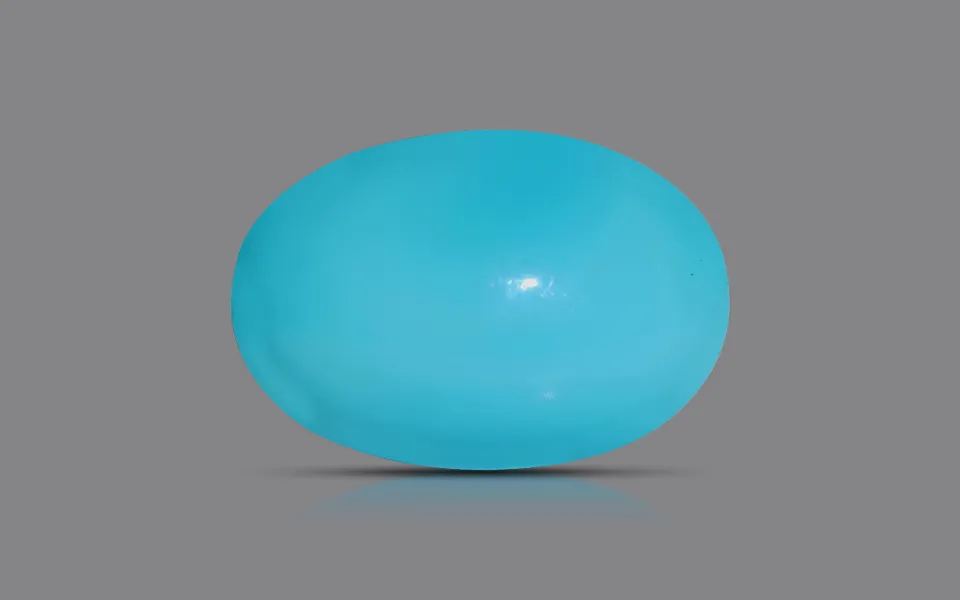
 Blue Sapphire
 Yellow Sapphire
 Emerald (Panna)
 Ruby (Manik)
 Red Coral
 Cats Eye
 Hessonite
 Pearl
Pearl White Sapphire
 Amethyst
 Citrine
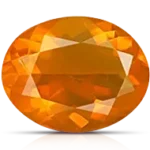 Fire Opal
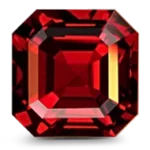 Garnet
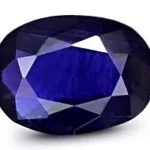 Iolite
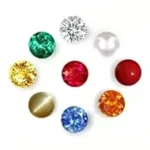 Navratna
 Opal
Opal Peridot
 Pitambari Neelam
 Turquoise
 White Coral
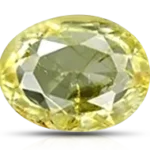 Yellow Topaz
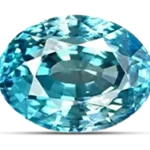 Zircon
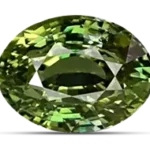 Alexandrite
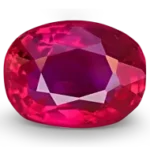 Burmese Ruby
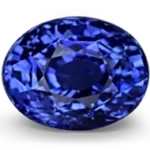 Cornflower Blue Sapphire
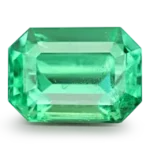 Colombian Emeralds
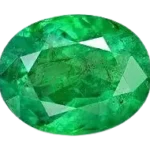 No Oil Emerald
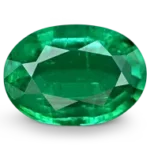 Panjshir Emerald
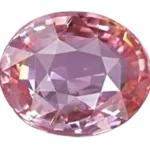 Padparadscha Sapphire
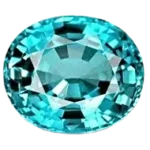 Paraiba Tourmaline
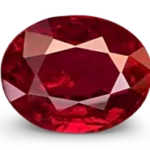 Pigeon Blood Ruby
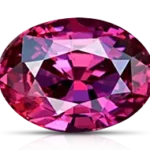 Pink Sapphire
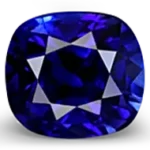 Royal Blue Sapphire
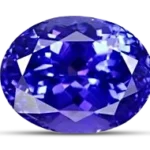 Tanzanite
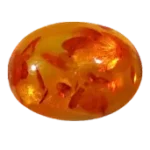 Amber
Amber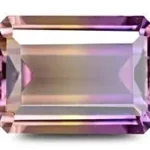 Ametrine
 Aquamarine
 Blue Topaz
 Blue Zircon
 Kyanite
 Lapis Lazuli
 Moldavite
 Moonstone
 Spinel
 Star Ruby
 Tourmaline