
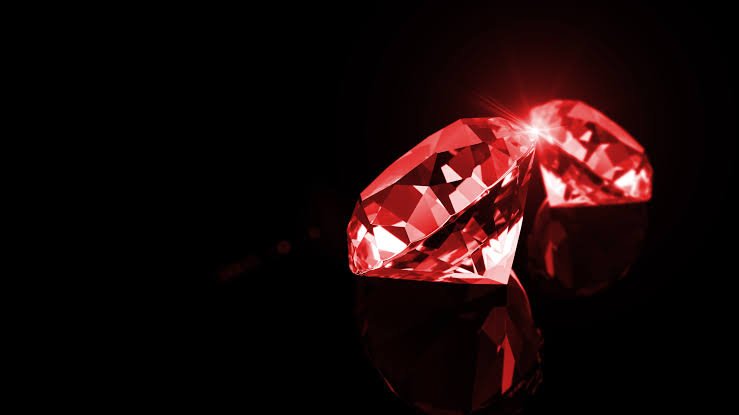
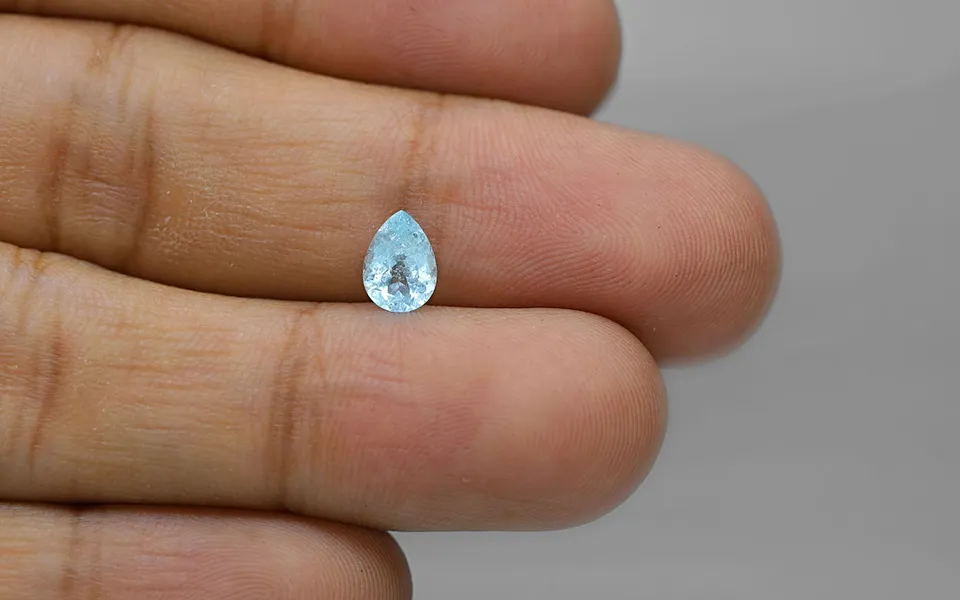
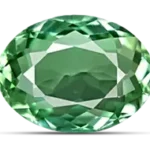
Tourmaline is unique among gemstones for occurring in an exceptionally wide range of colors — from pink and green to blue and multi-colored “watermelon” varieties — making it a versatile stone in both jewelry and astrological practice. Different colors of Tourmaline are associated with different planetary energies in contemporary use; pink and red tones are often linked to Mars or Venus, while green tones are associated with Mercury, used to support vitality, emotional balance, or communication depending on the shade chosen.
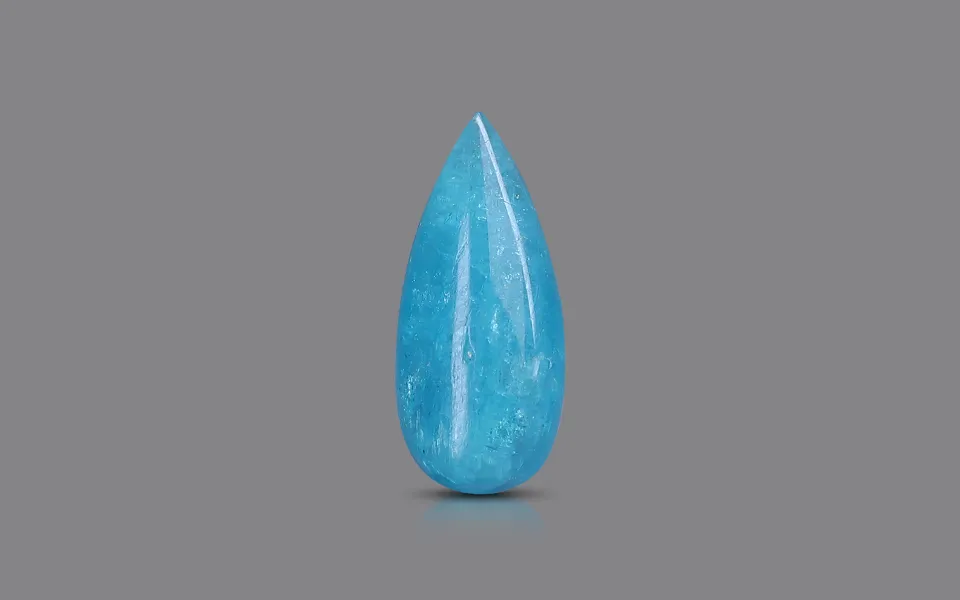
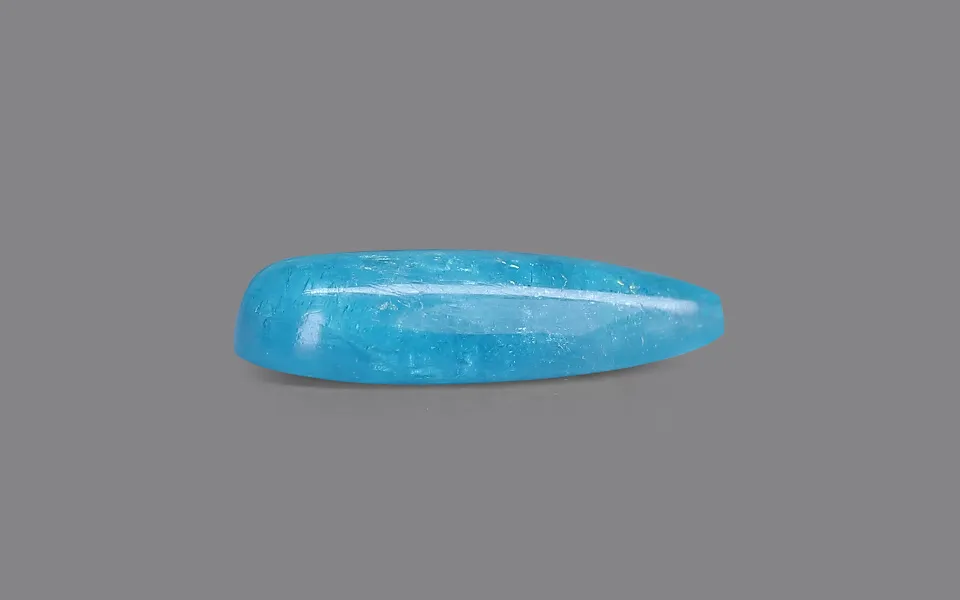
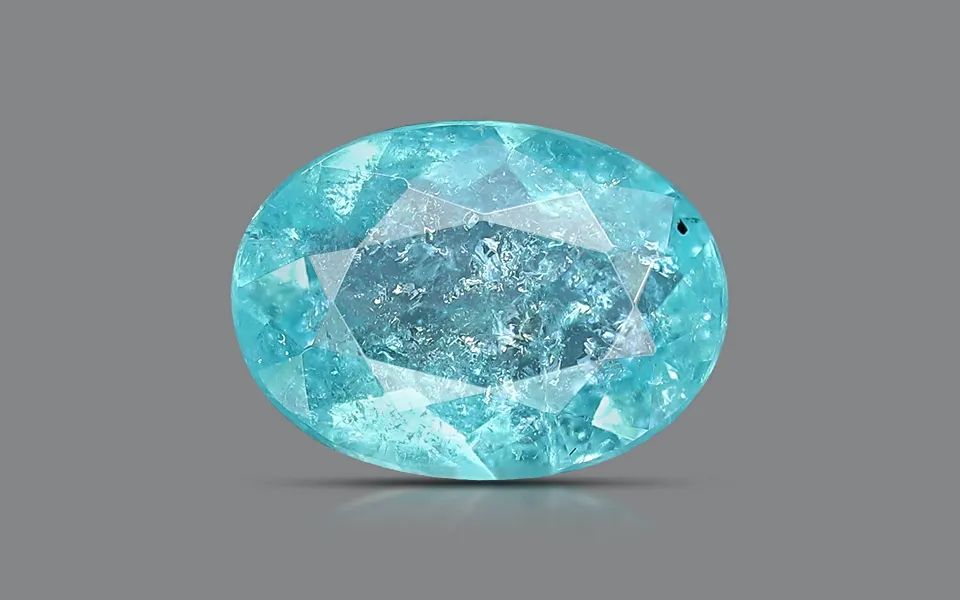
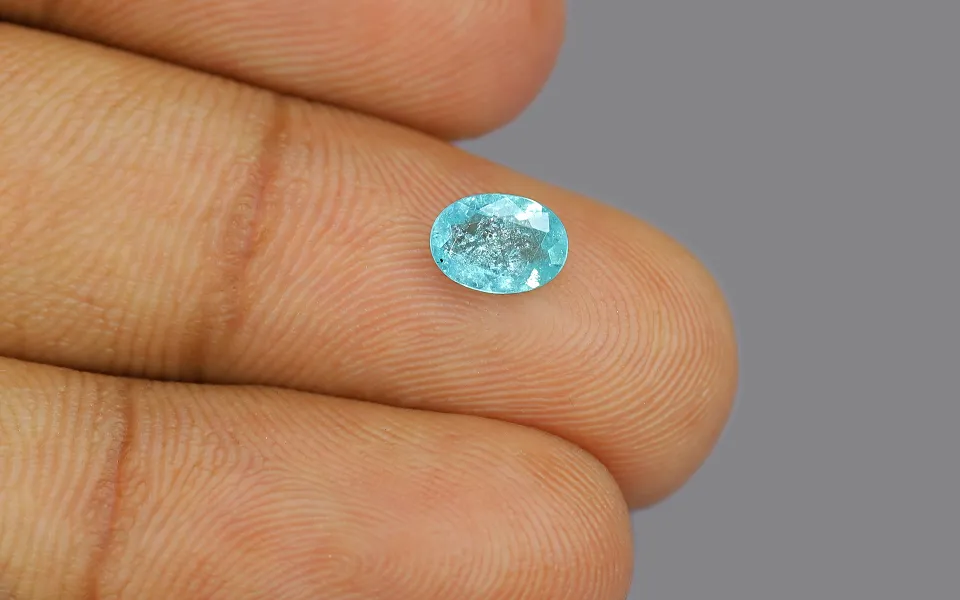
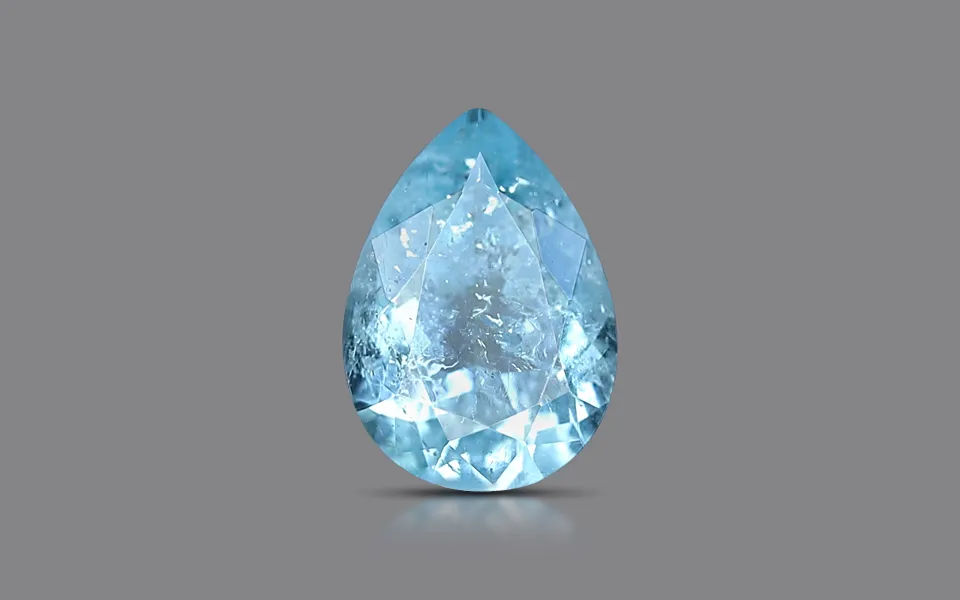
Pricing varies enormously by color and origin — vivid “Paraiba” Tourmaline from Brazil (and similar material from Mozambique and Nigeria) is among the most expensive gemstones in the world due to its electric blue-green color, while more common pink and green Tourmaline is comparatively affordable. Clarity and saturation matter significantly, as Tourmaline can range from heavily included to exceptionally clean. Most Tourmaline sold is untreated, though some stones undergo minor heat treatment to improve color.
Trishul Gems certifies origin and treatment across our Tourmaline collection, helping buyers choose the right color and quality for their needs.
Yes, different colors are associated with different planetary energies in contemporary practice — pink/red with Mars or Venus, green with Mercury — so the right shade depends on the specific energy being sought.
It's a rare, intensely saturated blue-green variety first found in Paraiba, Brazil, now also sourced from Mozambique and Nigeria, and is among the most valuable gemstones per carat in the world.
Most Tourmaline is untreated, though some stones undergo minor heat treatment to improve color clarity — reputable sellers disclose this on the certificate.
No account yet?
Create an Account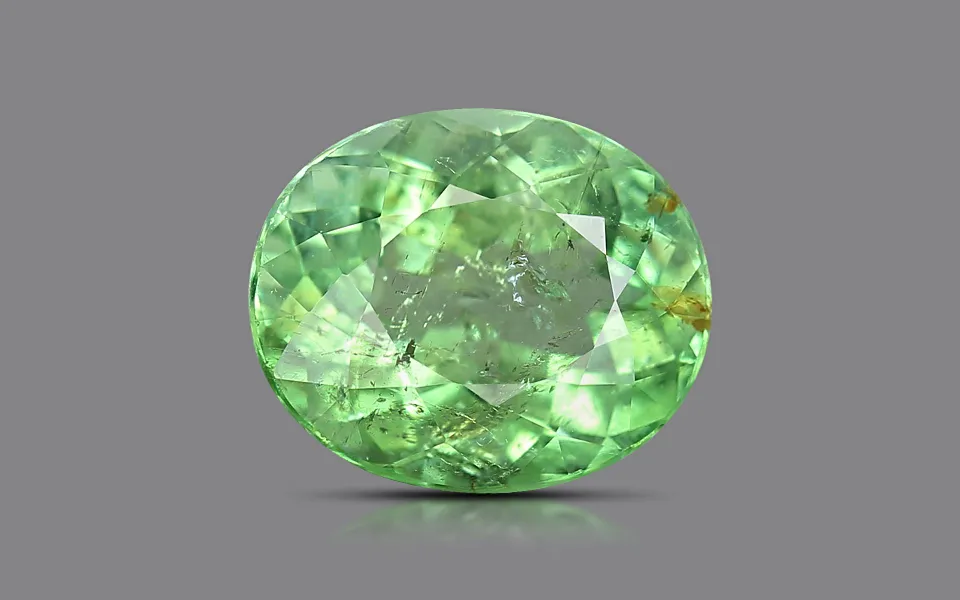
 Blue Sapphire
 Yellow Sapphire
 Emerald (Panna)
 Ruby (Manik)
 Red Coral
 Cats Eye
 Hessonite
 Pearl
Pearl White Sapphire
 Amethyst
 Citrine
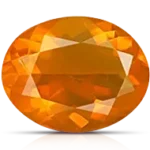 Fire Opal
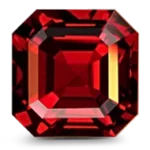 Garnet
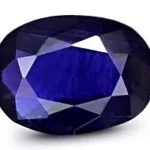 Iolite
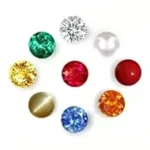 Navratna
 Opal
Opal Peridot
 Pitambari Neelam
 Turquoise
 White Coral
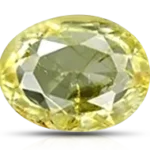 Yellow Topaz
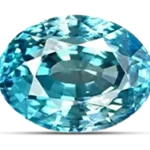 Zircon
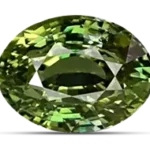 Alexandrite
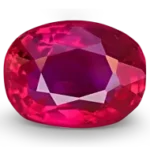 Burmese Ruby
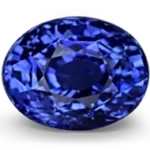 Cornflower Blue Sapphire
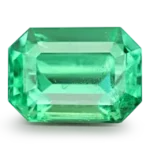 Colombian Emeralds
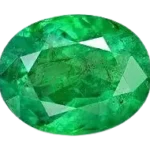 No Oil Emerald
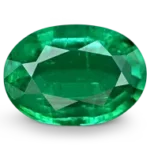 Panjshir Emerald
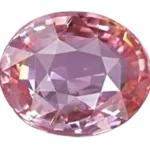 Padparadscha Sapphire
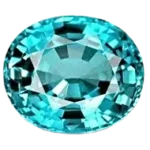 Paraiba Tourmaline
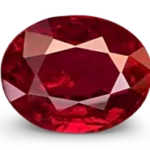 Pigeon Blood Ruby
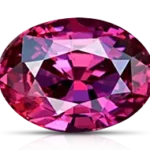 Pink Sapphire
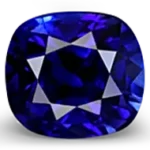 Royal Blue Sapphire
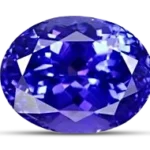 Tanzanite
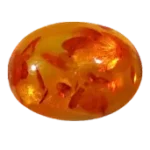 Amber
Amber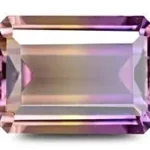 Ametrine
 Aquamarine
 Blue Topaz
 Blue Zircon
 Kyanite
 Lapis Lazuli
 Moldavite
 Moonstone
 Spinel
 Star Ruby
 Tourmaline