
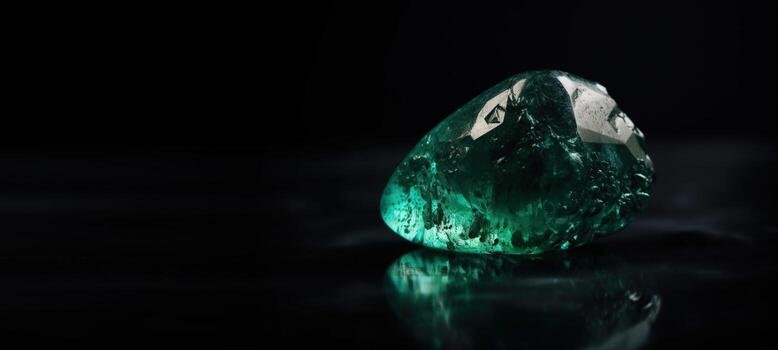
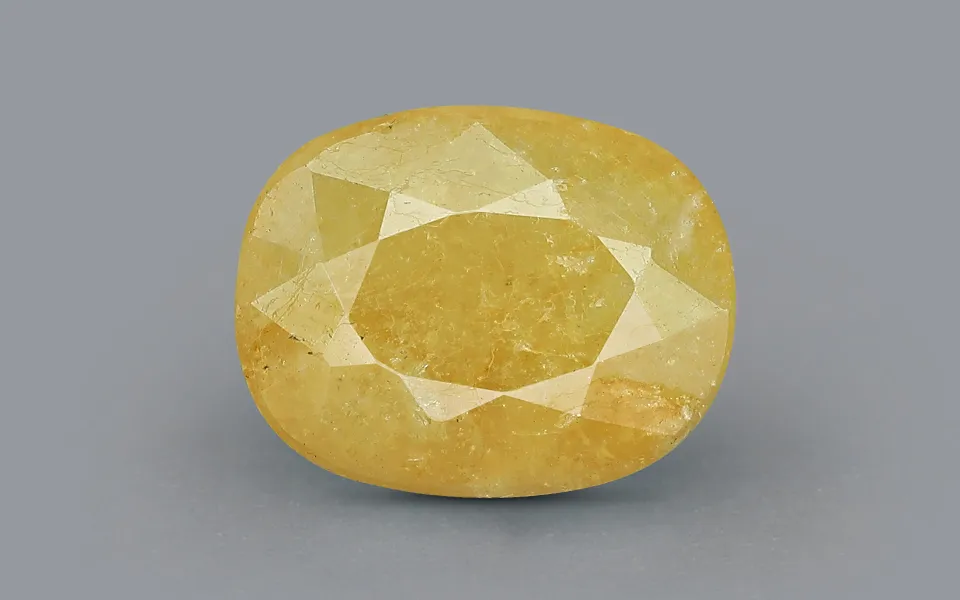
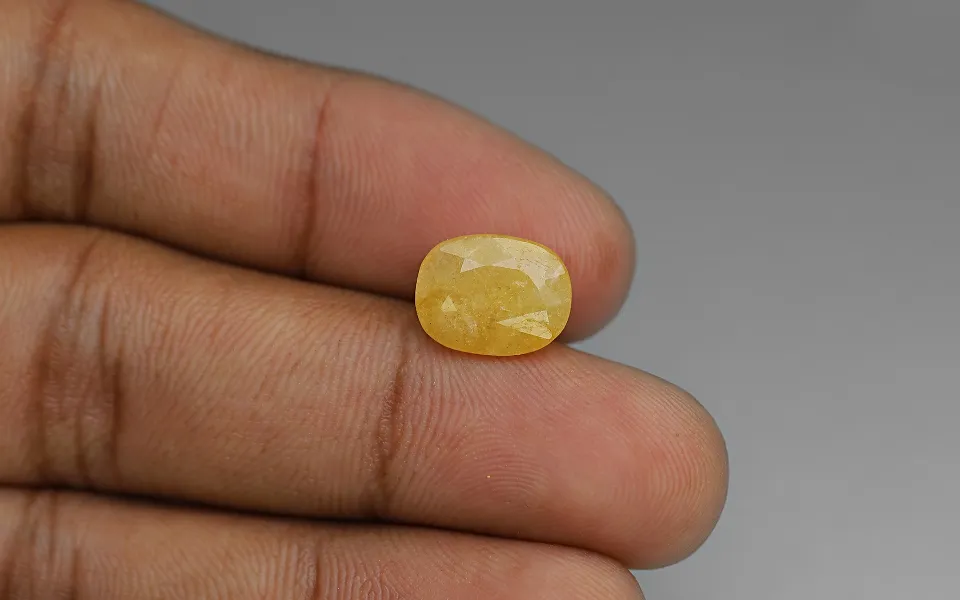
Topaz, particularly in its yellow form known as Yellow Topaz, is associated with Jupiter in some regional astrological traditions and is sometimes recommended as an alternative to Yellow Sapphire for those seeking Jupiter’s benefits — wisdom, prosperity, and good fortune — at a different price point. Blue Topaz, a separately treated variety, is more commonly used in fashion jewelry than in traditional astrological practice.
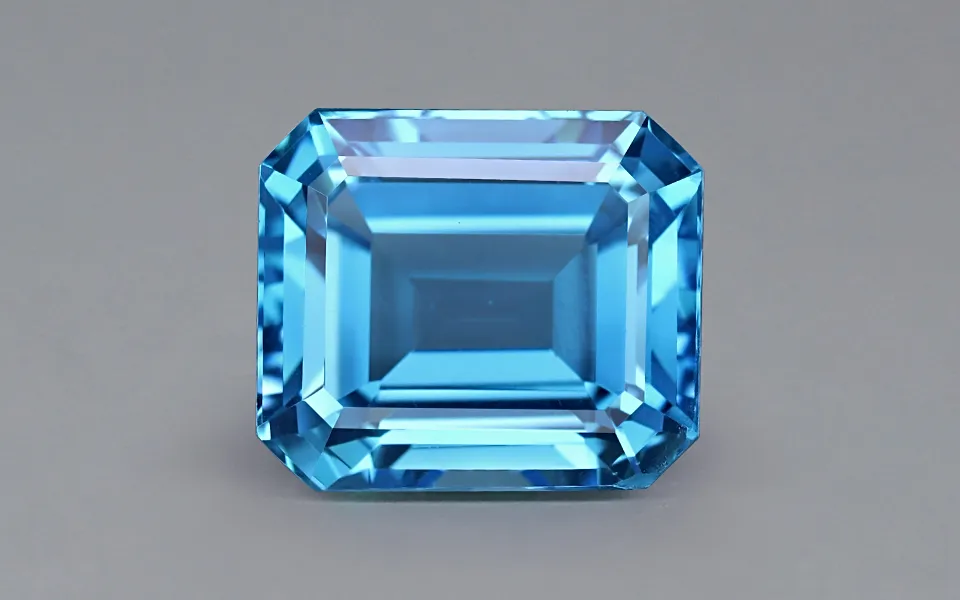
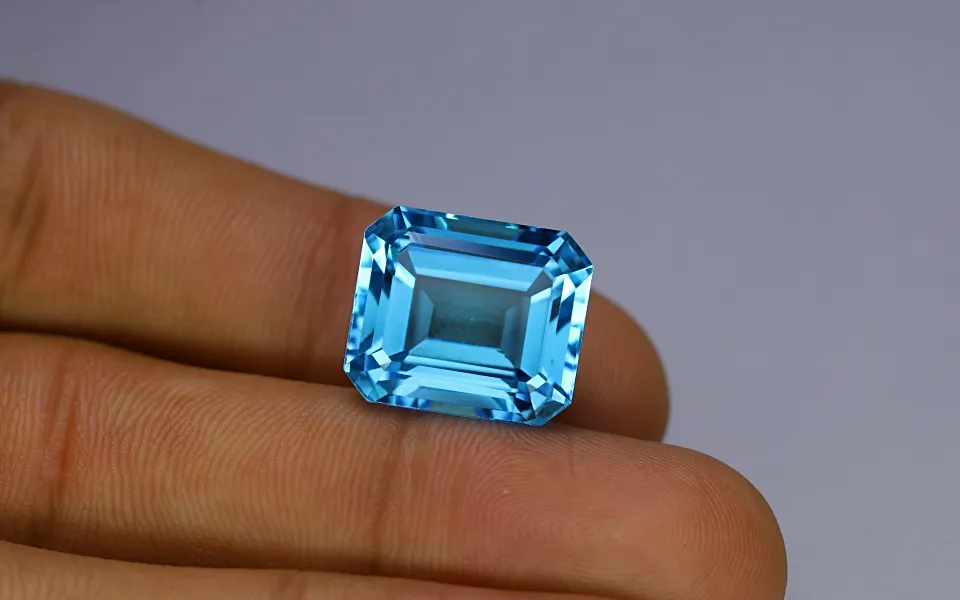
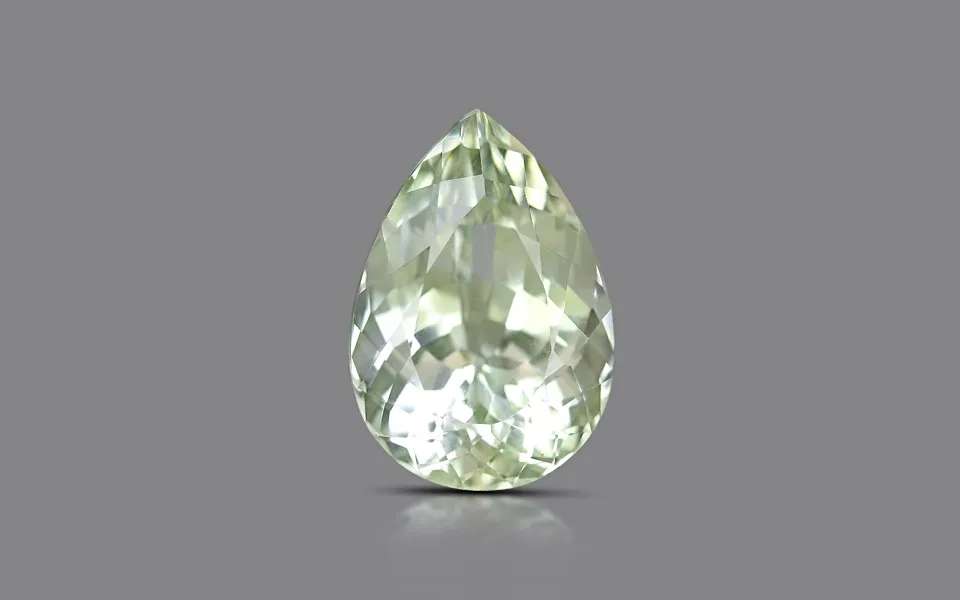
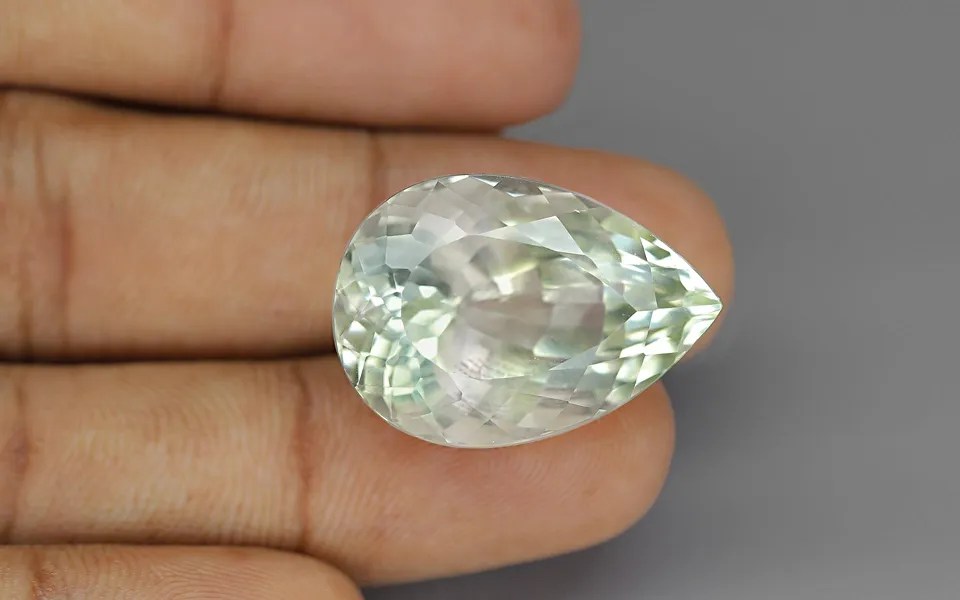
Topaz pricing depends on color and treatment status — natural, untreated Yellow or Imperial Topaz (a rare pink-orange variety) commands significantly higher prices than the widely available, heavily treated Blue Topaz seen in mainstream jewelry. Brazil is the primary source for high-quality natural Topaz, including the prized Imperial variety. Because most Blue Topaz on the market is created through irradiation and heat treatment of colorless Topaz, it’s important to distinguish this from natural-colored Topaz when buying for astrological purposes.
Trishul Gems clearly discloses color origin and treatment on every Topaz, helping buyers choose stones suited to astrological use rather than fashion-only treated material.
Yellow Topaz is sometimes used as an alternative to Pukhraj for Jupiter-related benefits in certain regional traditions, though traditional Vedic astrology specifically recognizes Yellow Sapphire among the nine Navratna stones.
Most Blue Topaz is created by irradiating and heat-treating naturally colorless Topaz — it's a widely accepted treatment in the jewelry trade, but it's not the same as a naturally blue-colored stone.
Imperial Topaz is a rare, naturally pink-to-orange variety of Topaz, considered the most valuable form of the gemstone, distinct from the common heat-treated Blue Topaz.
No account yet?
Create an Account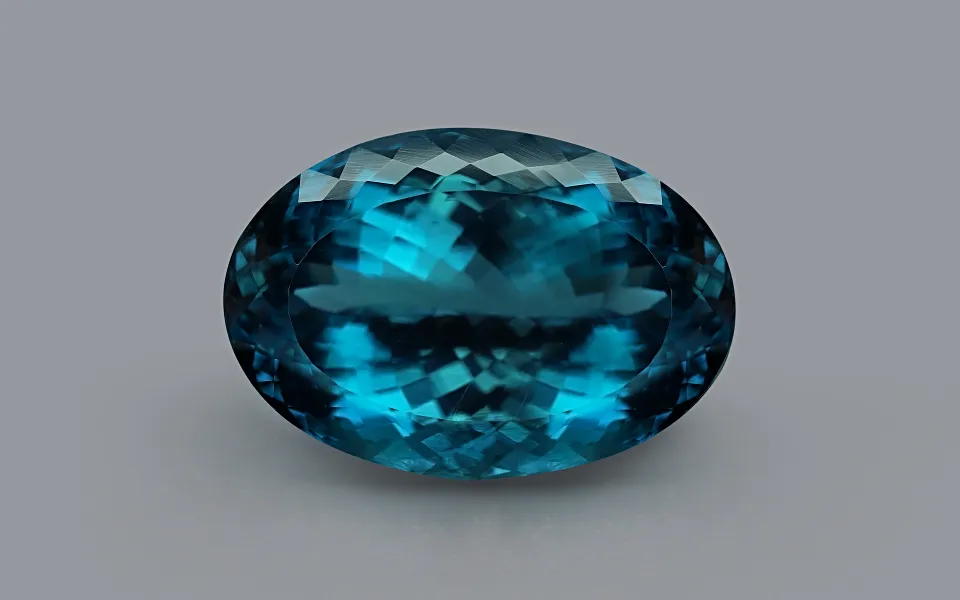

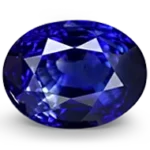 Blue Sapphire
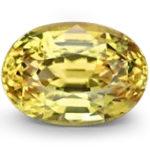 Yellow Sapphire
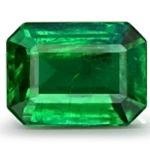 Emerald (Panna)
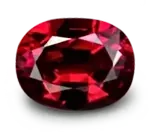 Ruby (Manik)
 Red Coral
 Cats Eye
 Hessonite
 Pearl
Pearl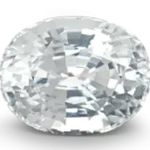 White Sapphire
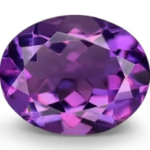 Amethyst
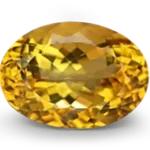 Citrine
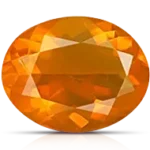 Fire Opal
 Garnet
 Iolite
 Navratna
 Opal
Opal Peridot
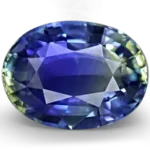 Pitambari Neelam
 Turquoise
 White Coral
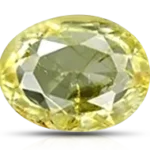 Yellow Topaz
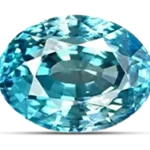 Zircon
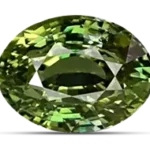 Alexandrite
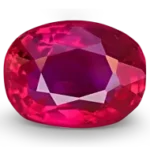 Burmese Ruby
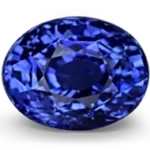 Cornflower Blue Sapphire
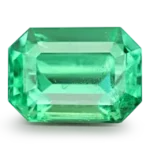 Colombian Emeralds
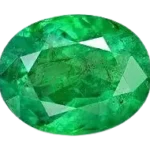 No Oil Emerald
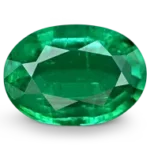 Panjshir Emerald
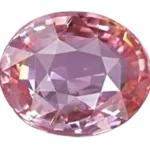 Padparadscha Sapphire
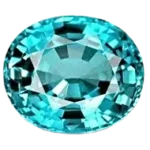 Paraiba Tourmaline
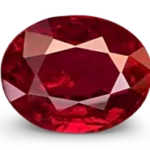 Pigeon Blood Ruby
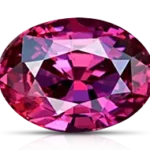 Pink Sapphire
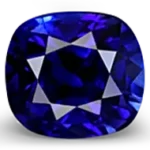 Royal Blue Sapphire
 Tanzanite
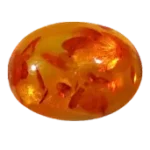 Amber
Amber Ametrine
 Aquamarine
 Blue Topaz
 Blue Zircon
 Kyanite
 Lapis Lazuli
 Moldavite
 Moonstone
 Spinel
 Star Ruby
 Tourmaline