
Comparing White Sapphire vs Cubic Zirconia: What’s the Difference?

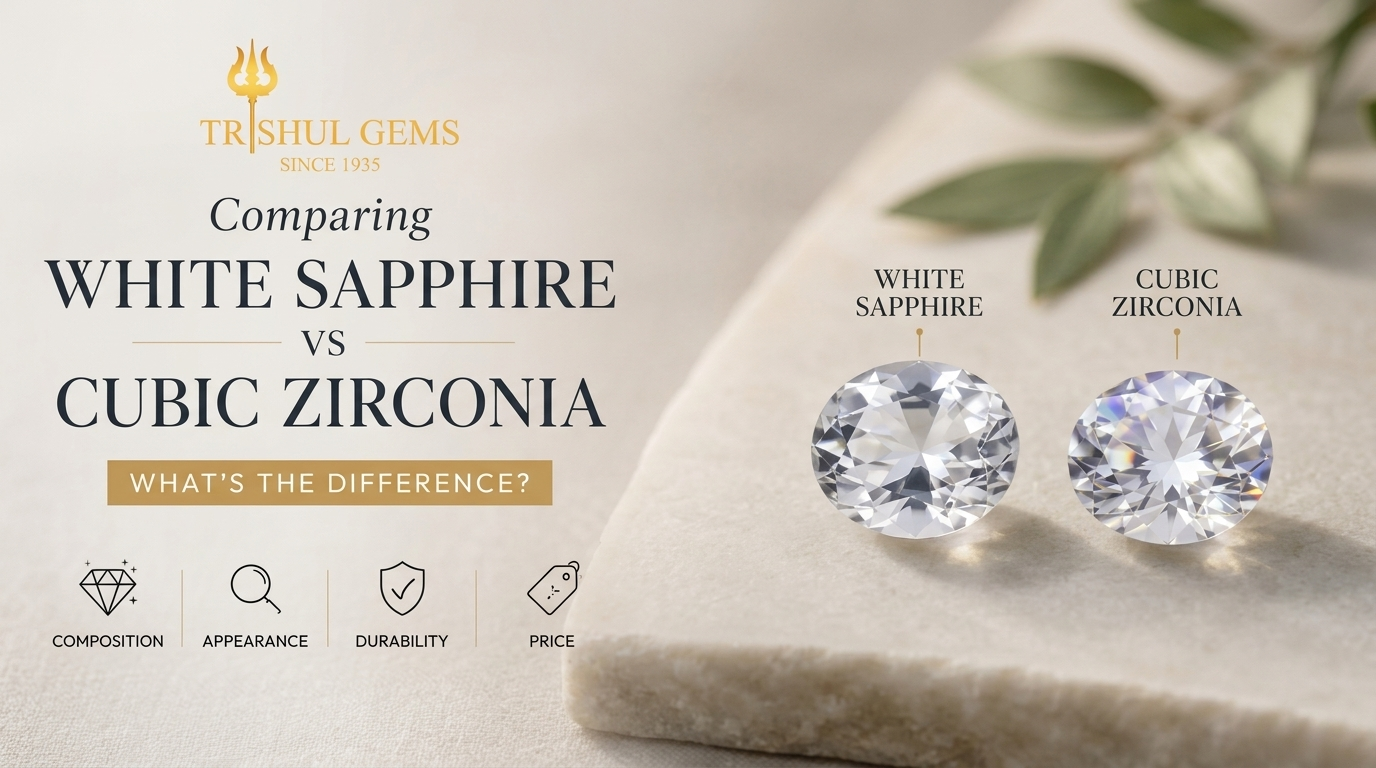
When shopping for diamond alternatives or looking for a sparkling gemstone for fine jewelry, two popular options often come up: White Sapphire and Cubic Zirconia (CZ). At a quick glance, both stones offer a stunning, colorless brilliance that can easily catch the eye. However, beneath their sparkling surfaces lie completely different chemical compositions, durability ratings, price points, and astrological values.
Whether you are designing an engagement ring or searching for a durable daily-wear piece, let’s dive into a comprehensive comparison between White Sapphire and Cubic Zirconia to help you make the right choice.
1. Composition and Origin
White Sapphire: White Sapphire is a precious gemstone belonging to the corundum mineral family (aluminum oxide). It is a naturally occurring mineral formed deep within the earth under intense heat and pressure over millions of years (though lab-created white sapphires also exist). In Vedic astrology, white sapphire is often used as a substitute for Diamond to harness the positive energies of Venus (Shukra).
Cubic Zirconia (CZ): Cubic Zirconia is a synthetic, man-made crystalline material composed of zirconium dioxide. It is grown rapidly in laboratory environments using high-temperature industrial processes. Because it is entirely synthetic, it holds no natural rarity or astrological significance.
2. Durability and Hardness (Scratch Resistance)
Durability is one of the most critical factors when choosing a gemstone for jewelry that will be worn frequently.
White Sapphire: Scoring a 9 out of 10 on the Mohs hardness scale (second only to diamond), White Sapphire is exceptionally durable, highly scratch-resistant, and ideal for lifetime wear, including daily engagement rings.
Cubic Zirconia: Scoring around 8 to 8.5 on the Mohs hardness scale, CZ is reasonably hard but significantly softer than sapphire or diamond. Over time, CZ accumulates surface micro-scratches, scuffs, and abrasions that dull its sparkle.
3. Brilliance, Fire, and Appearance
White Sapphire: Offers a soft, elegant, and classic brilliance. While it sparkles beautifully, it disperses light differently than a diamond or CZ, often exhibiting a slightly more subdued, velvety white shine. Natural white sapphires may also contain microscopic natural inclusions.
Cubic Zirconia: Known for a high dispersion rate (rainbow “fire”), CZ actually sparkles with more prismatic color flashes than a natural diamond or sapphire. However, over time, as it collects oil and scratches, it tends to turn milky or cloudy.
4. Value, Rarity, and Investment
White Sapphire: As a natural precious gemstone, it holds intrinsic long-term value, rarity, and resale potential—especially when certified unheated.
Cubic Zirconia: Mass-produced in factories, CZ has virtually zero resale or long-term value. It is an inexpensive, disposable fashion material.
White Sapphire vs. Cubic Zirconia: Quick Comparison Table
| Feature | White Sapphire | Cubic Zirconia (CZ) |
| Material | Natural Corundum (Precious Gemstone) | Synthetic Zirconium Dioxide |
| Mohs Hardness | 9 / 10 (Extremely Durable) | 8 to 8.5 / 10 (Prone to scratching over time) |
| Sparkle / Fire | Classic, subtle brilliance | High rainbow fire, tends to cloud over time |
| Astrological Use | Yes (Venus substitute) | No astrological value |
| Value / Lifespan | Heirloom quality, lasts generations | Inexpensive, requires periodic replacement |
Choose Authenticity with Trishul Gems
If you are looking for an ethical, durable, and genuine gemstone that will stand the test of time—or serve as an authentic astrological alternative—investing in a high-grade natural gemstone is essential.
At Trishul Gems, we specialize in meticulously inspected, certified natural gemstones designed for unmatched brilliance and lasting value. Explore our collections or buy natural certified gemstones online today.
Website: trishulgems.com
Contact & Support: Connect with our experts online for personalized gemstone guidance and orders.
 Blue Sapphire
 Yellow Sapphire
 Emerald (Panna)
 Ruby (Manik)
 Red Coral
 Cats Eye
 Hessonite
 Pearl
Pearl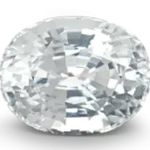 White Sapphire
 Amethyst
 Citrine
 Fire Opal
 Garnet
 Iolite
 Navratna
 Opal
Opal Peridot
 Pitambari Neelam
 Turquoise
 White Coral
 Yellow Topaz
 Zircon
 Alexandrite
 Burmese Ruby
 Cornflower Blue Sapphire
 Colombian Emeralds
 No Oil Emerald
 Panjshir Emerald
 Padparadscha Sapphire
 Paraiba Tourmaline
 Pigeon Blood Ruby
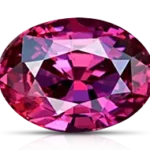 Pink Sapphire
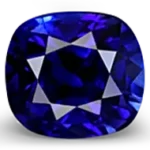 Royal Blue Sapphire
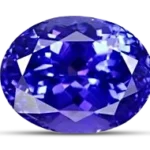 Tanzanite
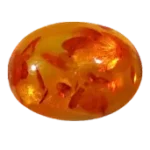 Amber
Amber Ametrine
 Aquamarine
 Blue Topaz
 Blue Zircon
 Kyanite
 Lapis Lazuli
 Moldavite
 Moonstone
 Spinel
 Star Ruby
 Tourmaline