
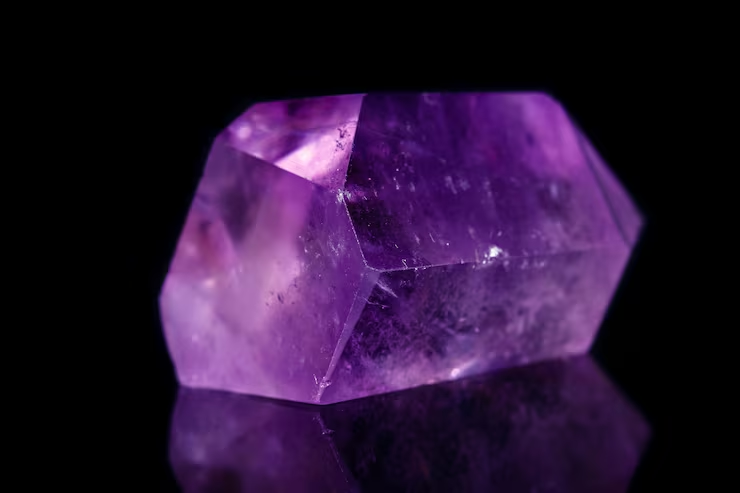
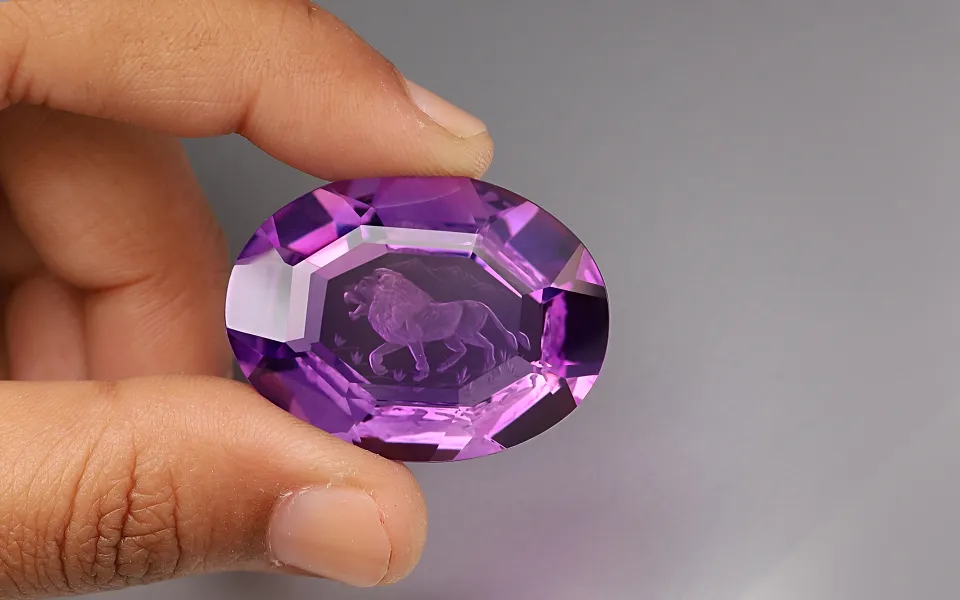
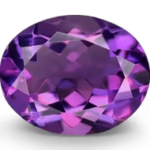
Amethyst, a purple variety of quartz, is associated with Saturn in some contemporary astrological traditions and is used to promote calmness, mental clarity, and protection from negative energy — often recommended as a gentler alternative to Blue Sapphire for those wary of Neelam’s intensity. It’s also widely used in meditation and spiritual practice beyond astrology specifically.
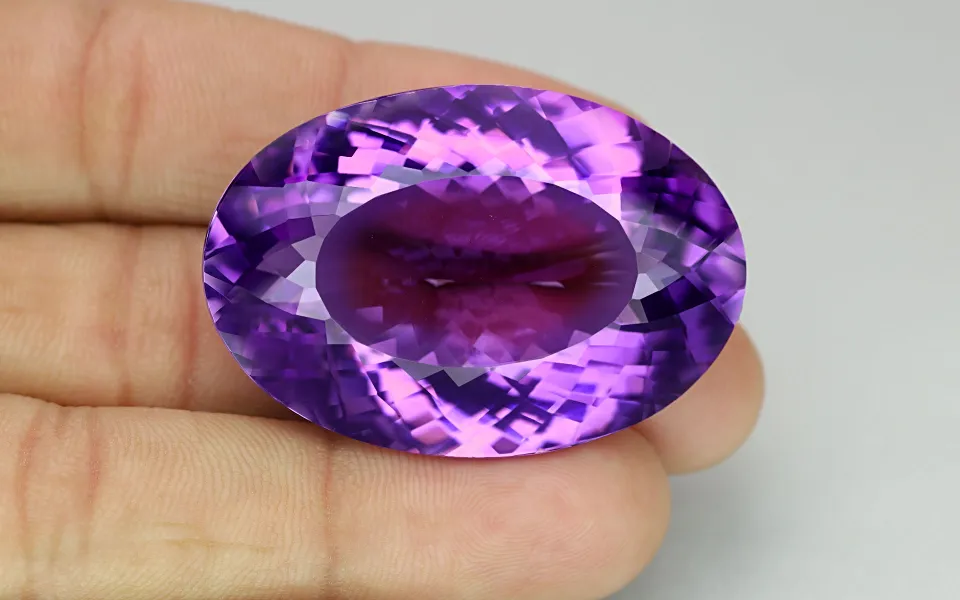
Amethyst pricing depends on color depth — a rich, deep purple with red flashes (sometimes called “Deep Siberian” color) is most valuable, while pale lavender stones are significantly more affordable. Brazil and Zambia are the largest sources, with Brazilian Amethyst commonly available in larger sizes due to abundant deposits. As a widely available quartz variety, Amethyst is among the more affordable gemstones even at larger carat weights, and is rarely treated beyond occasional heat treatment to even out color.
Trishul Gems offers natural, certified Amethyst at accessible price points without compromising on authenticity.
Amethyst is sometimes recommended as a gentler alternative to Blue Sapphire for those seeking Saturn-related calm and clarity without the intensity associated with Neelam, though the two are mineralogically unrelated.
Deep purple stones with red flashes, often called "Deep Siberian" color, are the most prized, while pale lavender Amethyst is more common and affordable.
Amethyst is a variety of quartz found in abundant deposits, particularly in Brazil and Zambia, which keeps prices accessible even for larger, good-quality stones.
No account yet?
Create an Account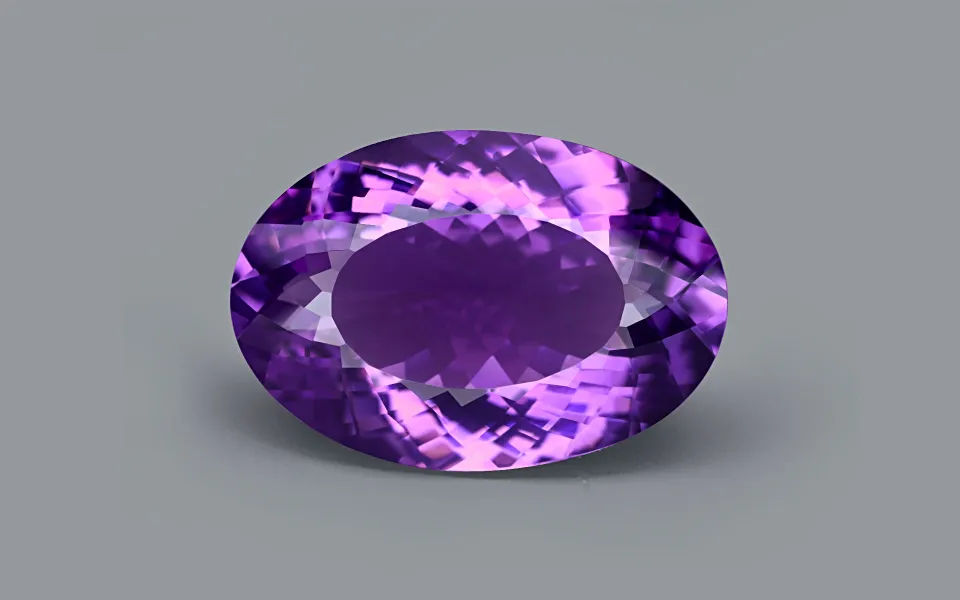
 Blue Sapphire
 Yellow Sapphire
 Emerald (Panna)
 Ruby (Manik)
 Red Coral
 Cats Eye
 Hessonite
 Pearl
Pearl White Sapphire
 Amethyst
 Citrine
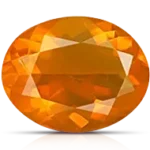 Fire Opal
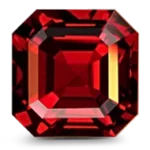 Garnet
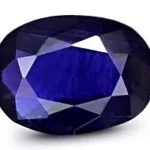 Iolite
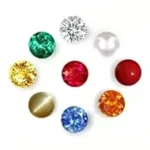 Navratna
 Opal
Opal Peridot
 Pitambari Neelam
 Turquoise
 White Coral
 Yellow Topaz
 Zircon
 Alexandrite
 Burmese Ruby
 Cornflower Blue Sapphire
 Colombian Emeralds
 No Oil Emerald
 Panjshir Emerald
 Padparadscha Sapphire
 Paraiba Tourmaline
 Pigeon Blood Ruby
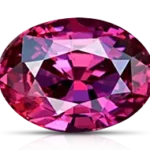 Pink Sapphire
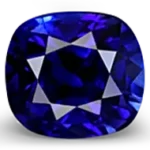 Royal Blue Sapphire
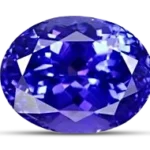 Tanzanite
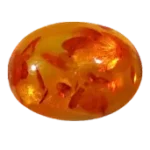 Amber
Amber Ametrine
 Aquamarine
 Blue Topaz
 Blue Zircon
 Kyanite
 Lapis Lazuli
 Moldavite
 Moonstone
 Spinel
 Star Ruby
 Tourmaline