
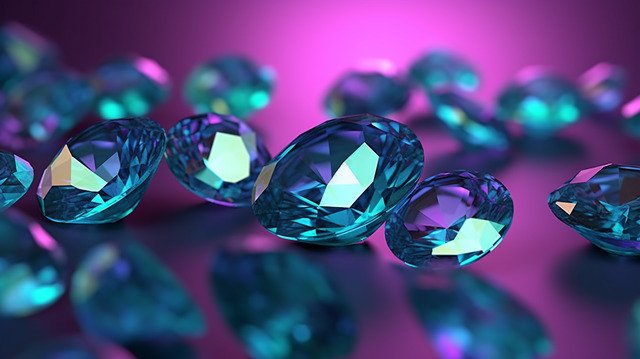
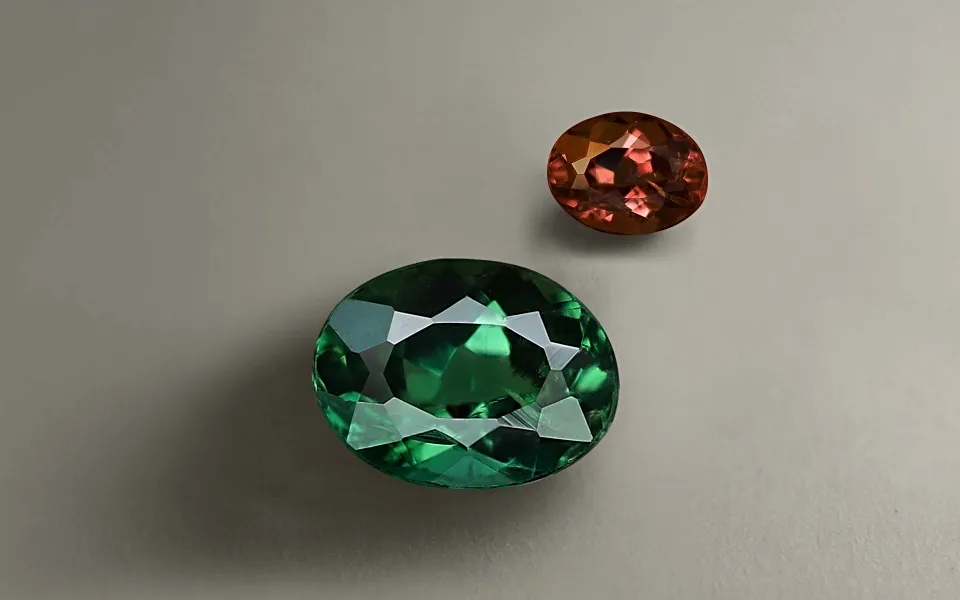
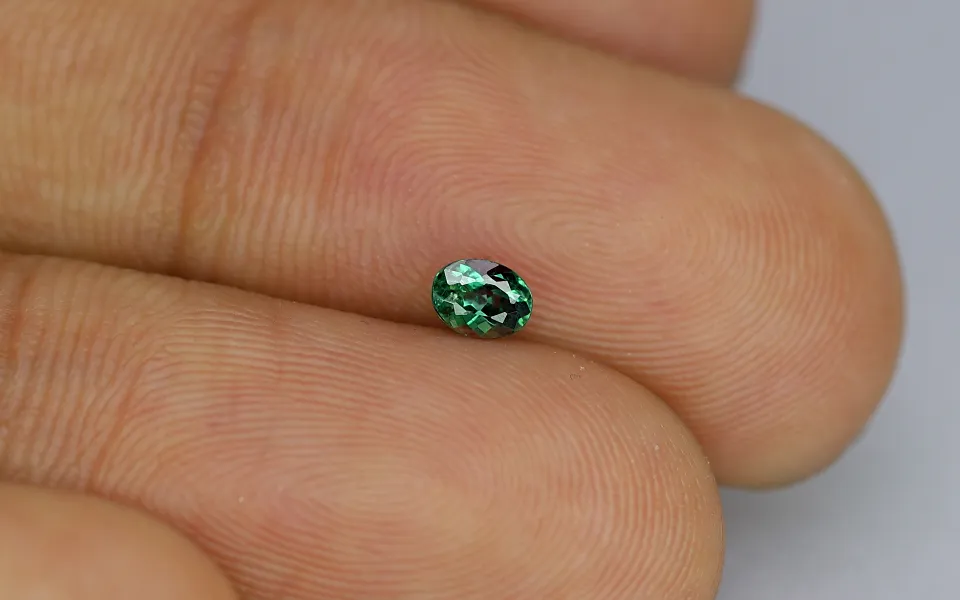
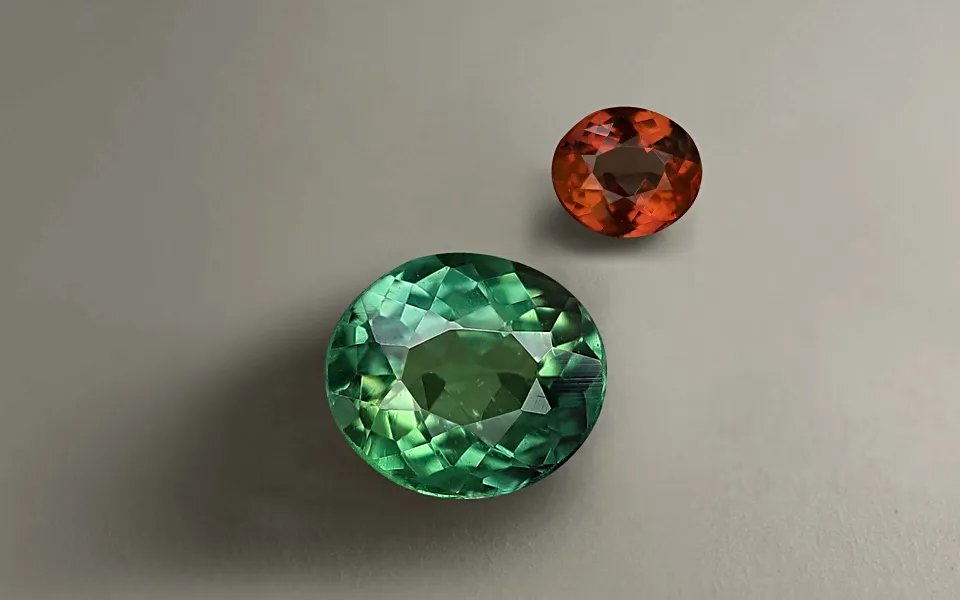
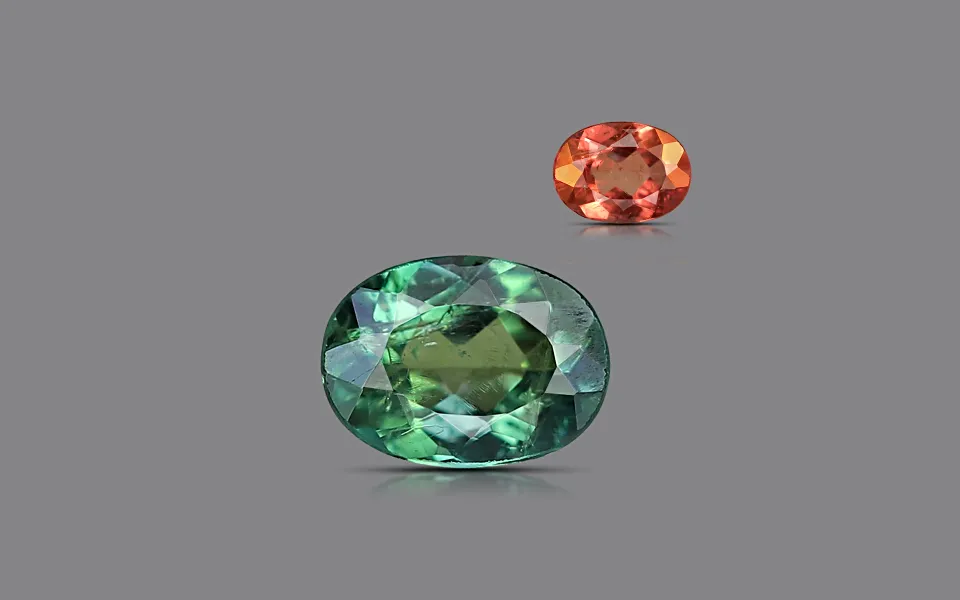
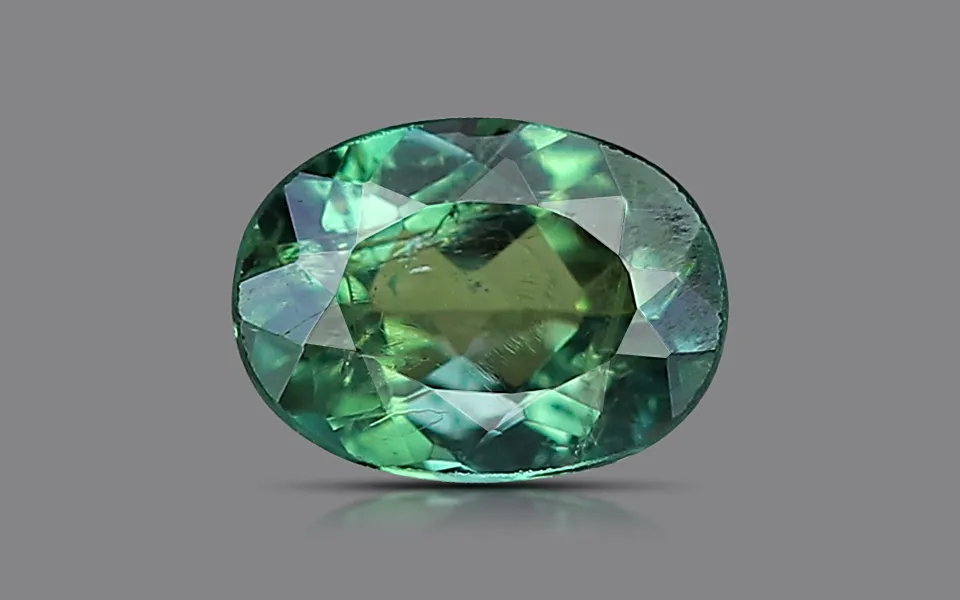
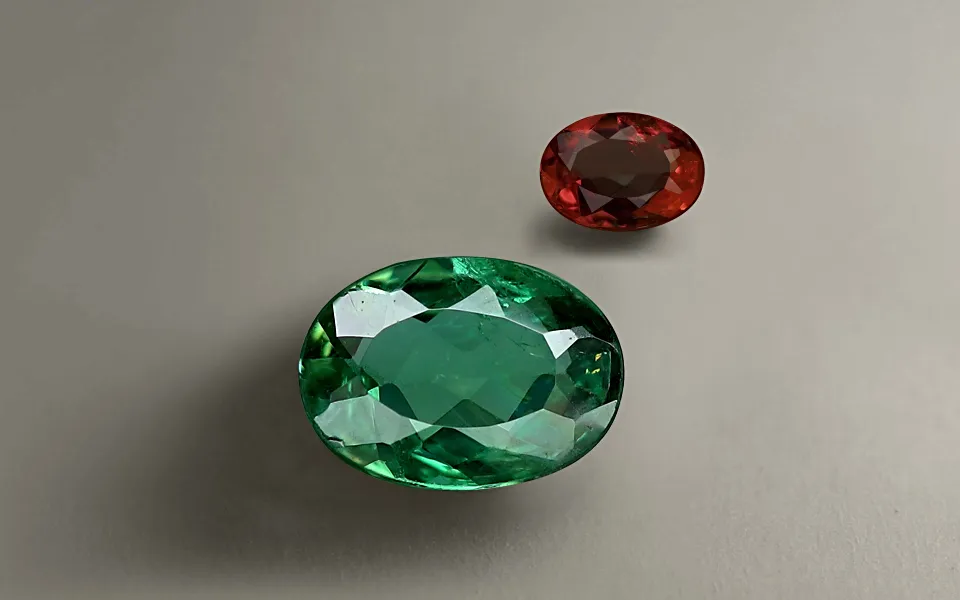
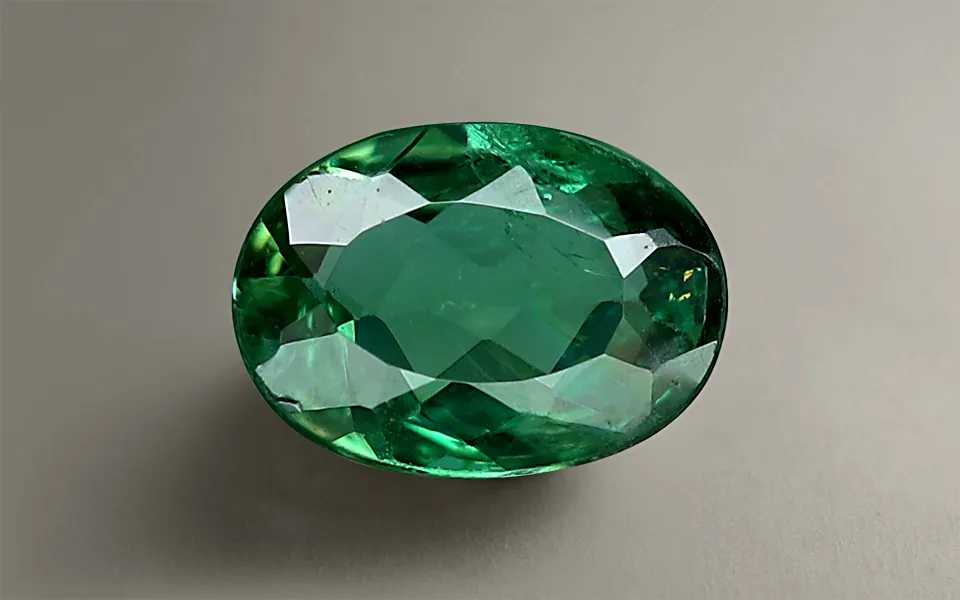
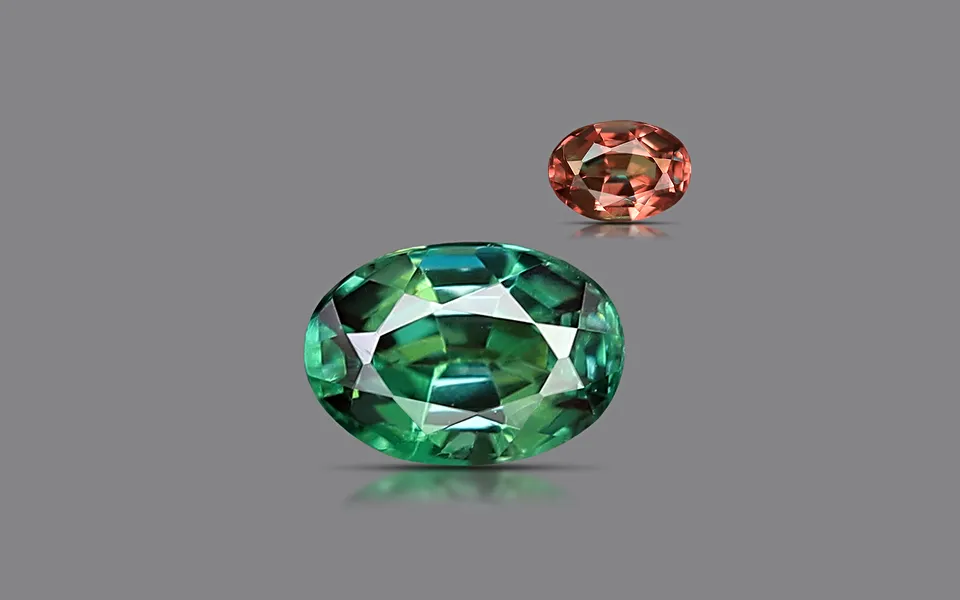
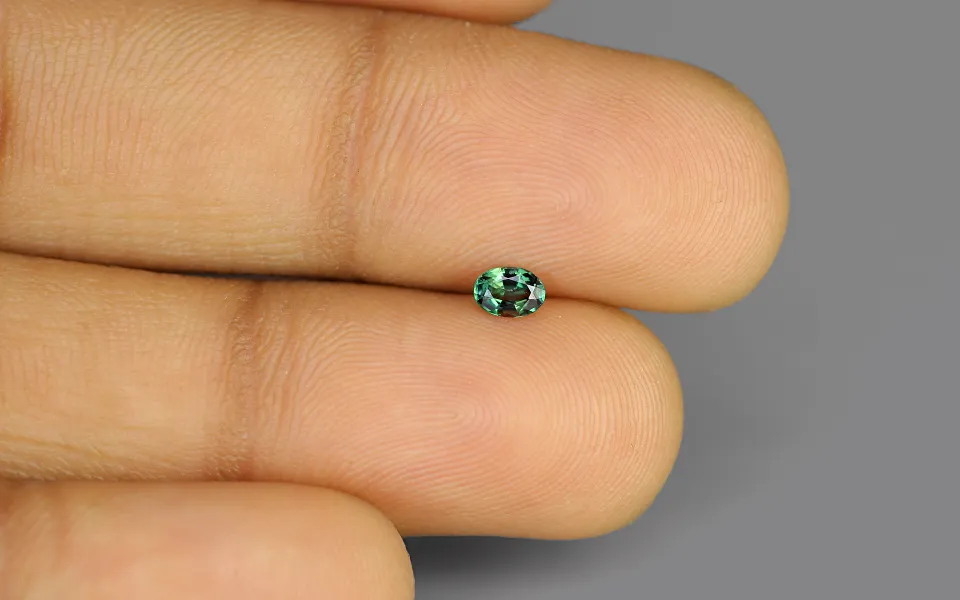
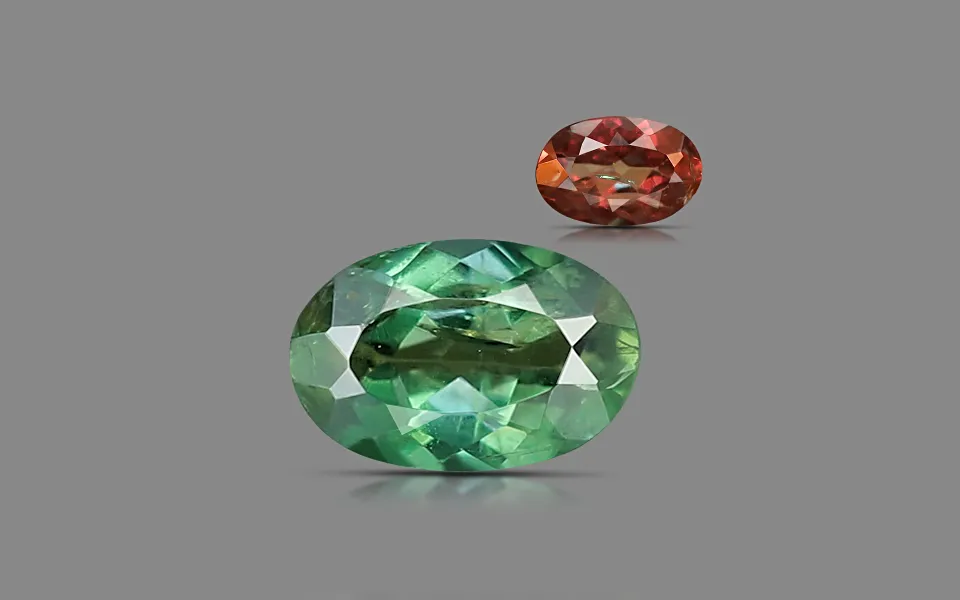
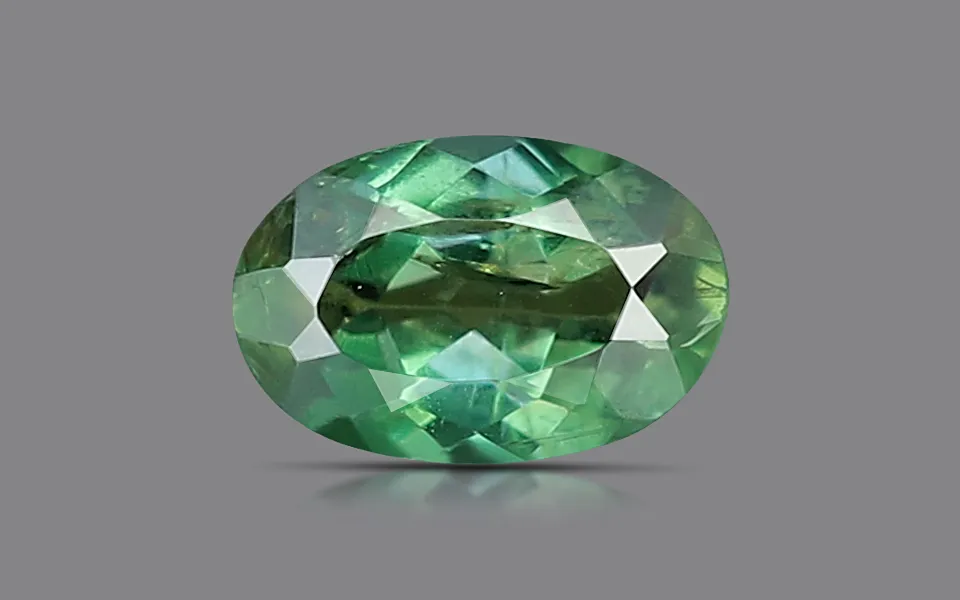
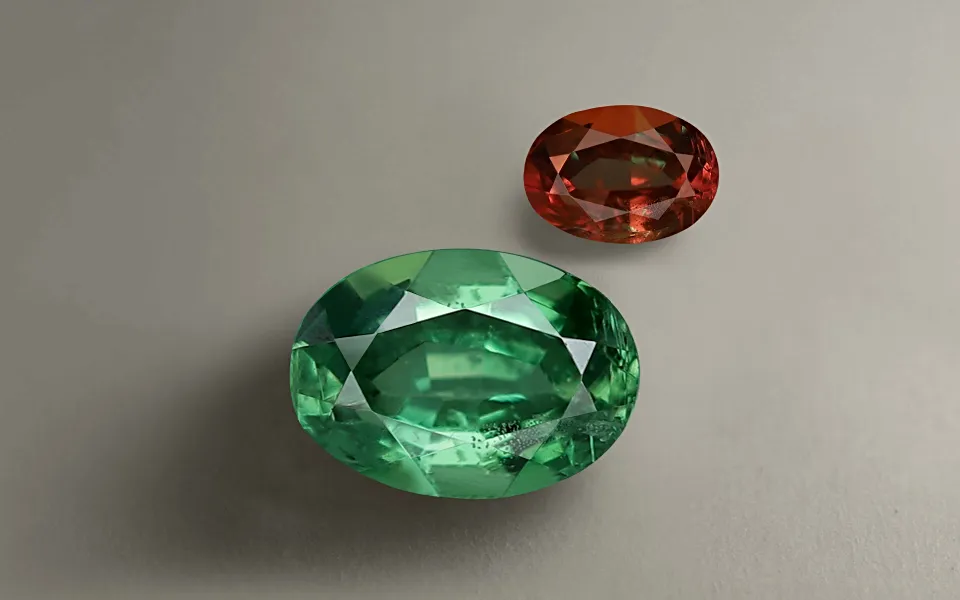
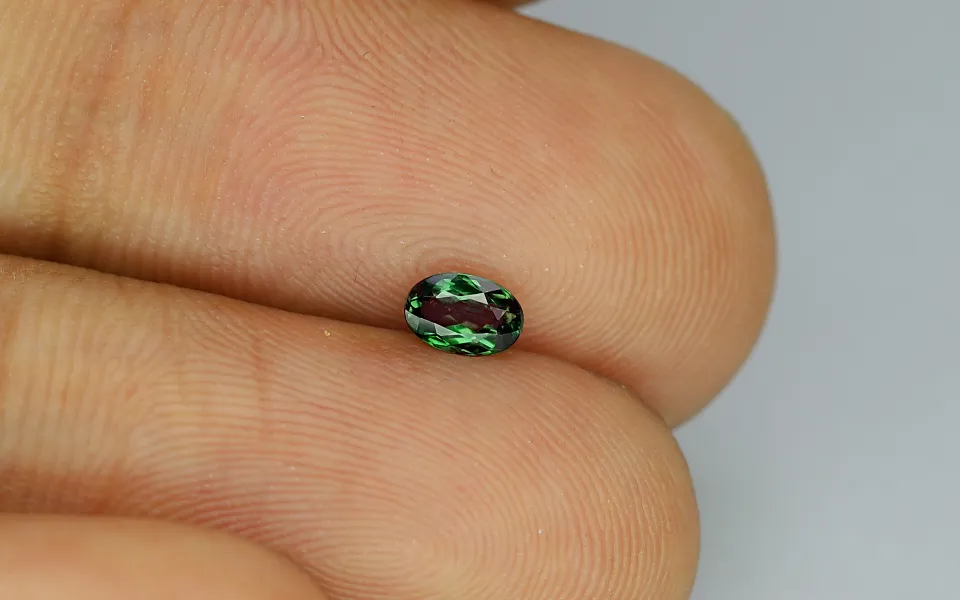
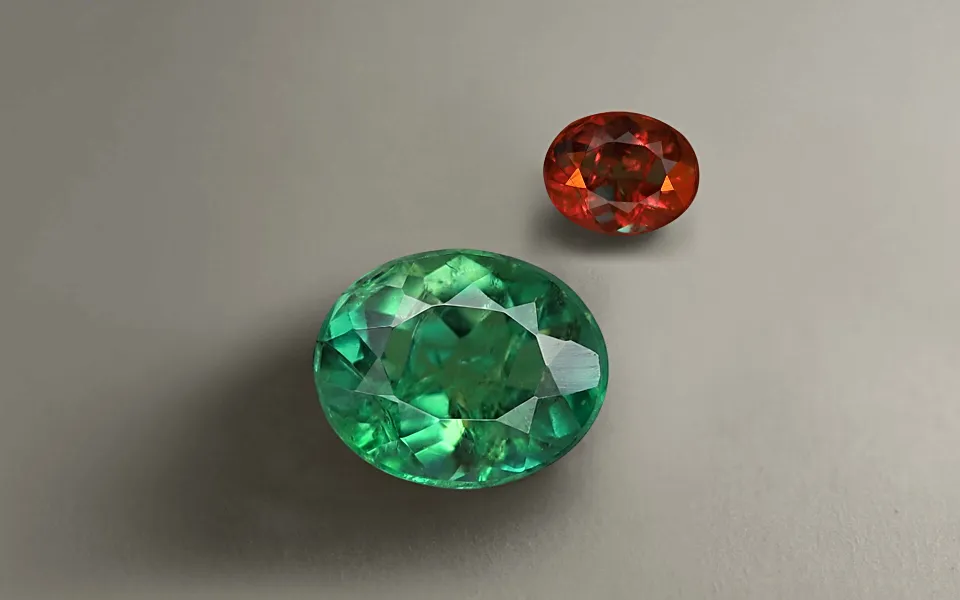
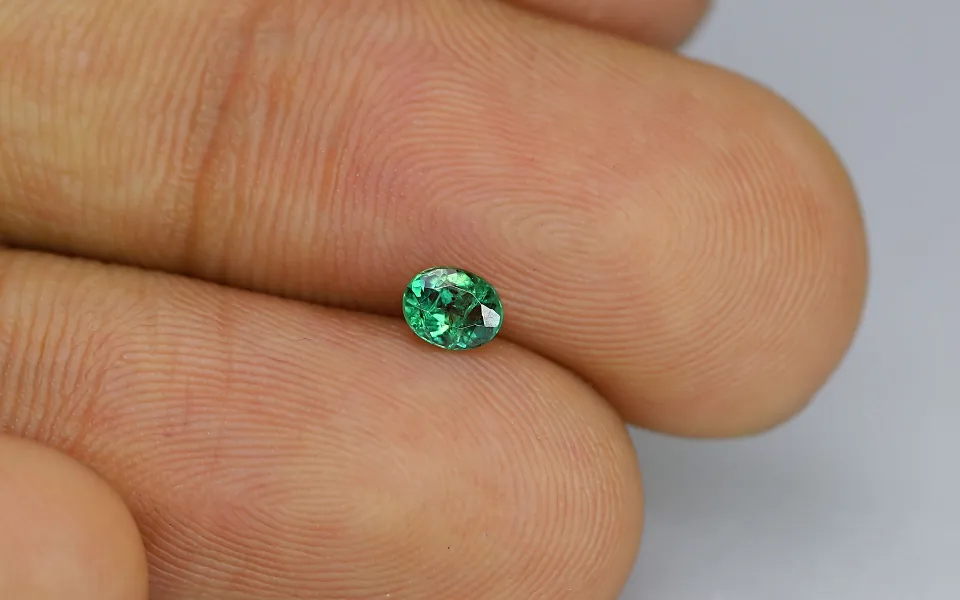
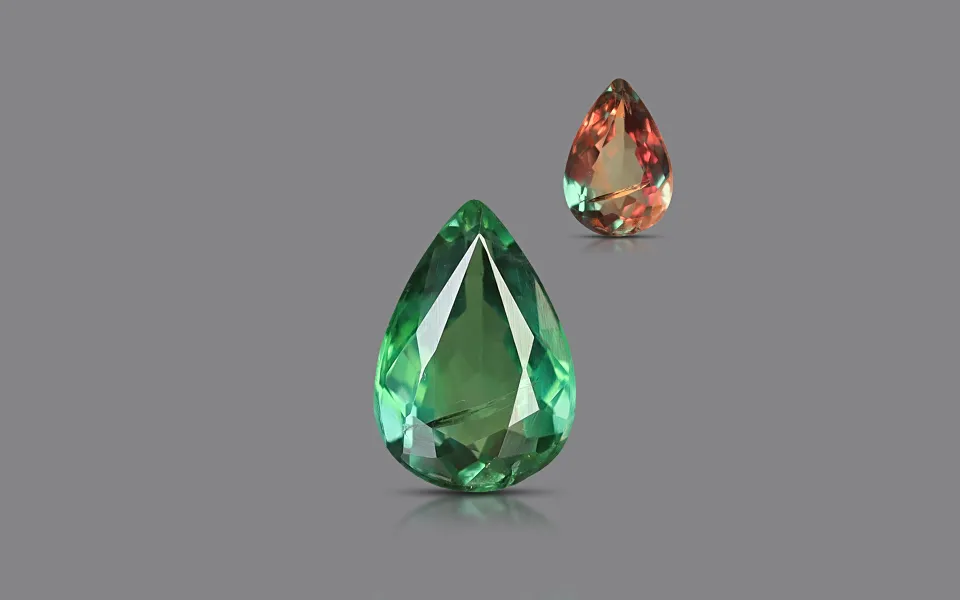
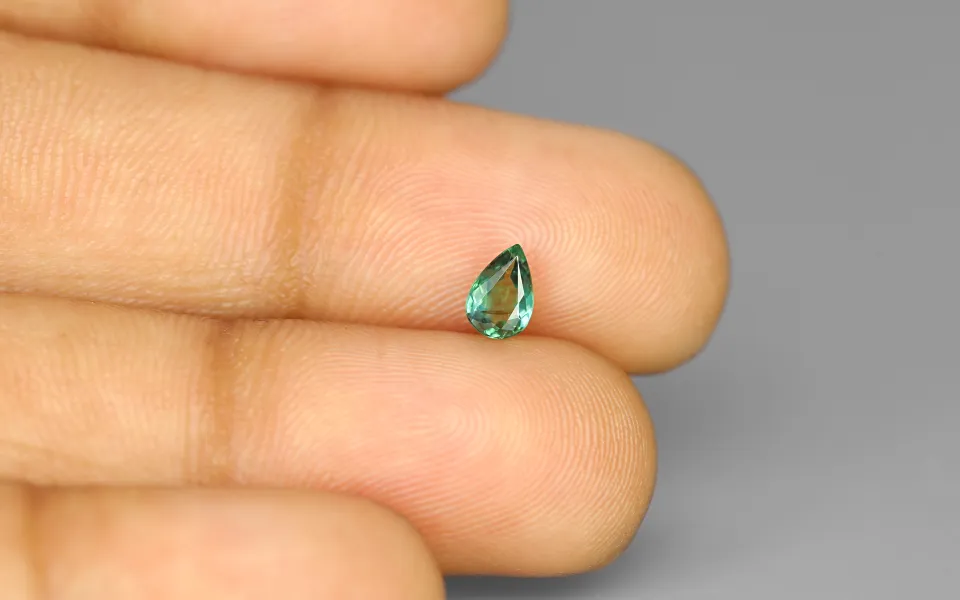
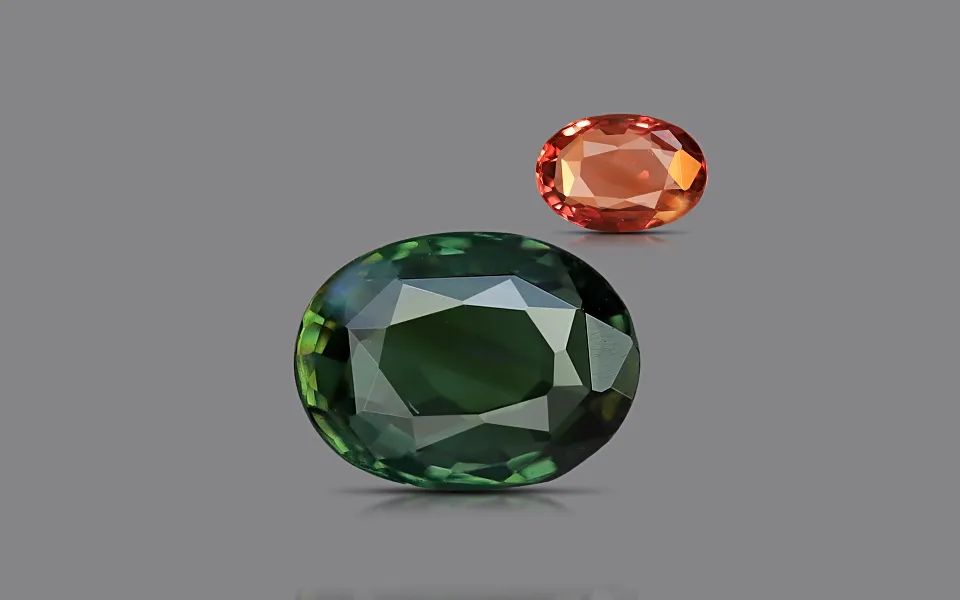
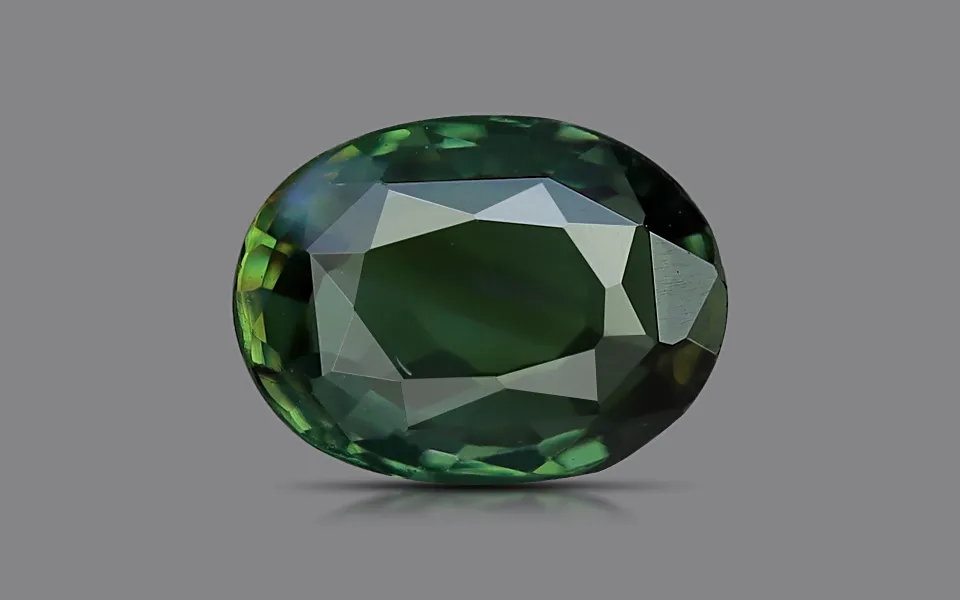
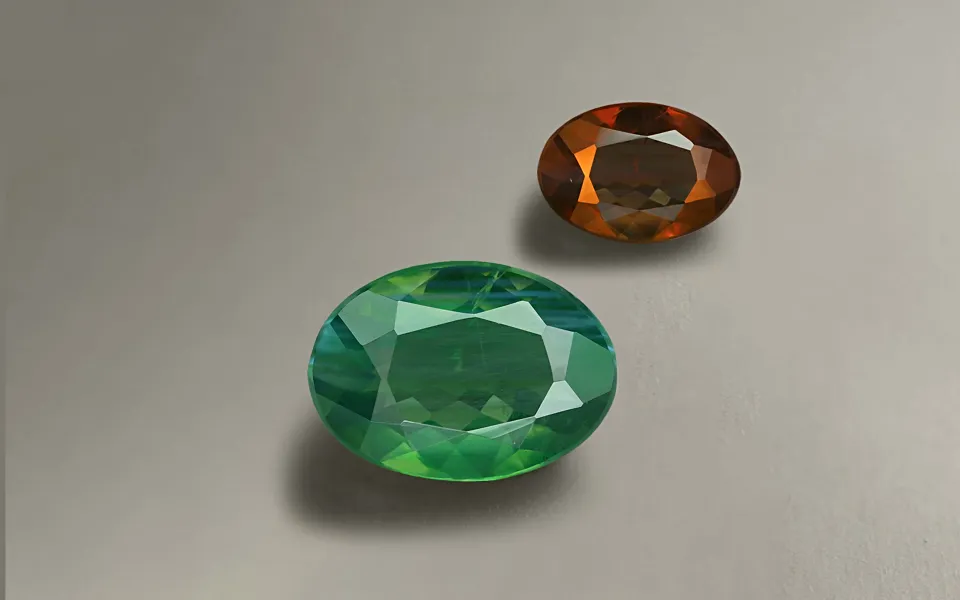
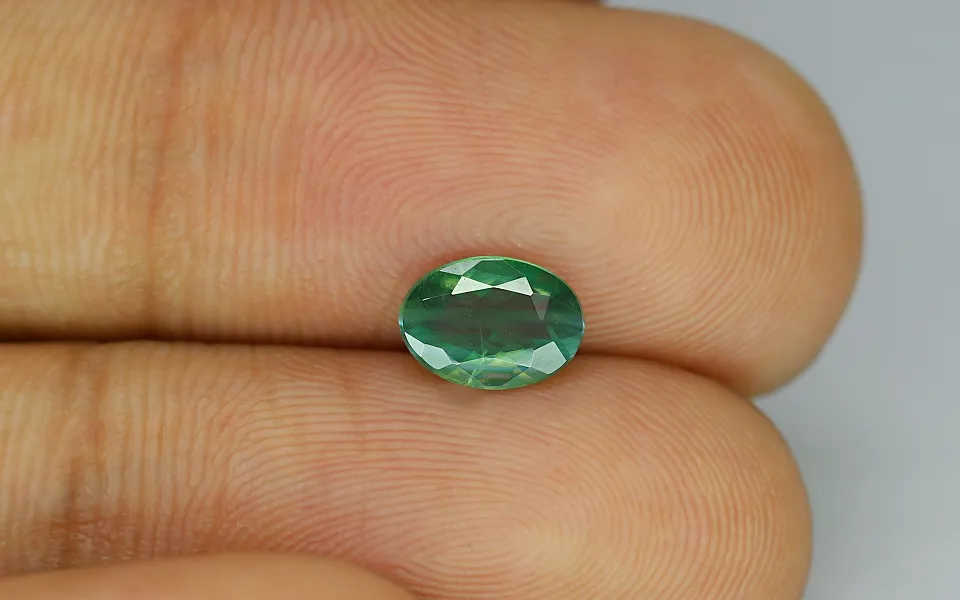
Alexandrite is famous for its dramatic color-change effect — appearing green to bluish-green in daylight and shifting to red or purplish-red under incandescent light. In contemporary practice, this dual nature is sometimes linked to balance between different planetary energies, and the stone is valued both for its rarity and its striking visual effect, used by those drawn to its symbolism of adaptability and transformation.
Alexandrite is among the rarest and most expensive gemstones in the world, with price driven almost entirely by the strength and completeness of its color change — a stone that shifts dramatically and cleanly between green and red commands an extraordinary premium over one with a weak or partial shift. Original Russian (Ural Mountains) Alexandrite is the most historically significant and valuable source, though it’s now extremely scarce; most material available today comes from Brazil, Sri Lanka, or East Africa. Because genuine Alexandrite is so rare, synthetic and simulant substitutes are common in the market, making certification essential.
Trishul Gems certifies the natural origin and color-change authenticity of every Alexandrite we offer.
It's caused by the way the stone's crystal structure absorbs different wavelengths of light, making it appear green under daylight (rich in blue-green wavelengths) and red under incandescent light (rich in red wavelengths).
The original Ural Mountains deposits in Russia produced Alexandrite with exceptional color change but were largely depleted long ago, making genuine Russian-origin stones extremely rare and historically significant.
Yes, due to its rarity and high value, synthetic Alexandrite and color-change simulants are common in the market, making lab certification important to confirm authenticity.
No account yet?
Create an Account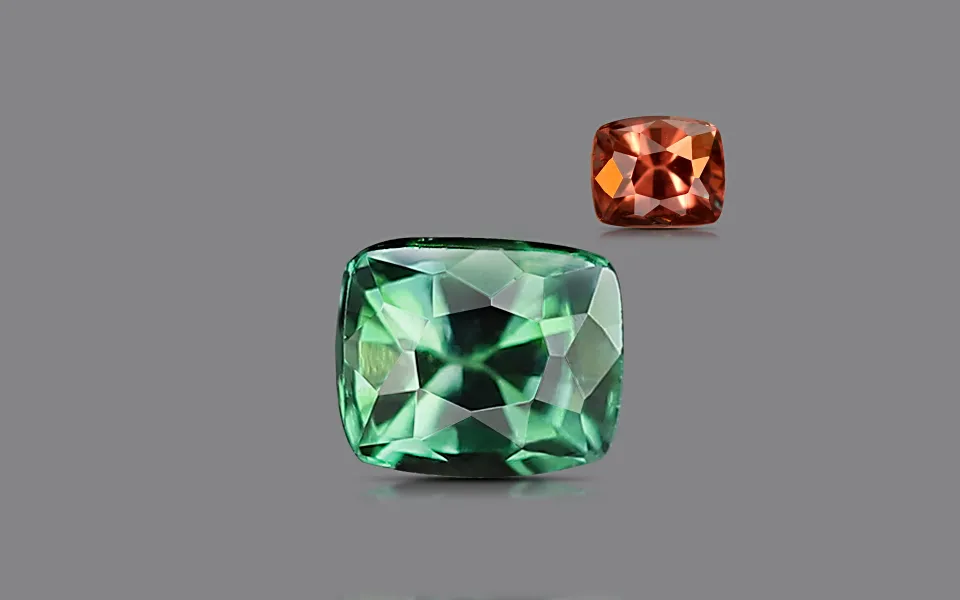

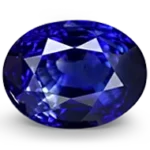 Blue Sapphire
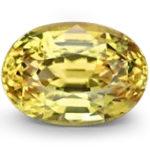 Yellow Sapphire
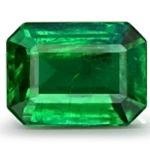 Emerald (Panna)
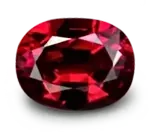 Ruby (Manik)
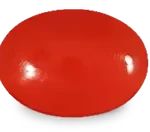 Red Coral
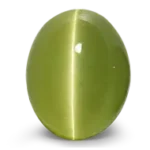 Cats Eye
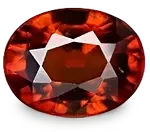 Hessonite
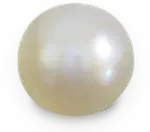 Pearl
Pearl White Sapphire
 Amethyst
 Citrine
 Fire Opal
 Garnet
 Iolite
 Navratna
 Opal
Opal Peridot
 Pitambari Neelam
 Turquoise
 White Coral
 Yellow Topaz
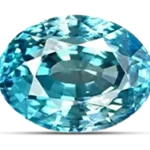 Zircon
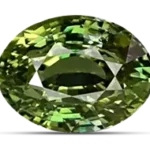 Alexandrite
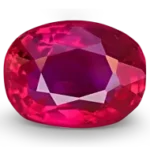 Burmese Ruby
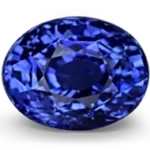 Cornflower Blue Sapphire
 Colombian Emeralds
 No Oil Emerald
 Panjshir Emerald
 Padparadscha Sapphire
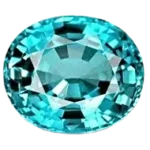 Paraiba Tourmaline
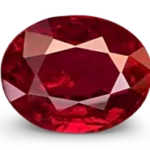 Pigeon Blood Ruby
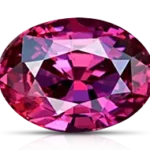 Pink Sapphire
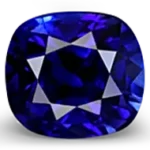 Royal Blue Sapphire
 Tanzanite
 Amber
Amber Ametrine
 Aquamarine
 Blue Topaz
 Blue Zircon
 Kyanite
 Lapis Lazuli
 Moldavite
 Moonstone
 Spinel
 Star Ruby
 Tourmaline