
Alexandrite: The Gemstone That Changes Color

In the fascinating world of colored gemstones, certain stones are prized for their deep saturation, while others are admired for their brilliant fire. Yet, a select few possess a magical optical phenomenon that completely defies expectation. Among these rarities, the Alexandrite stands absolute monarch—celebrated universally as the gemstone that changes color.
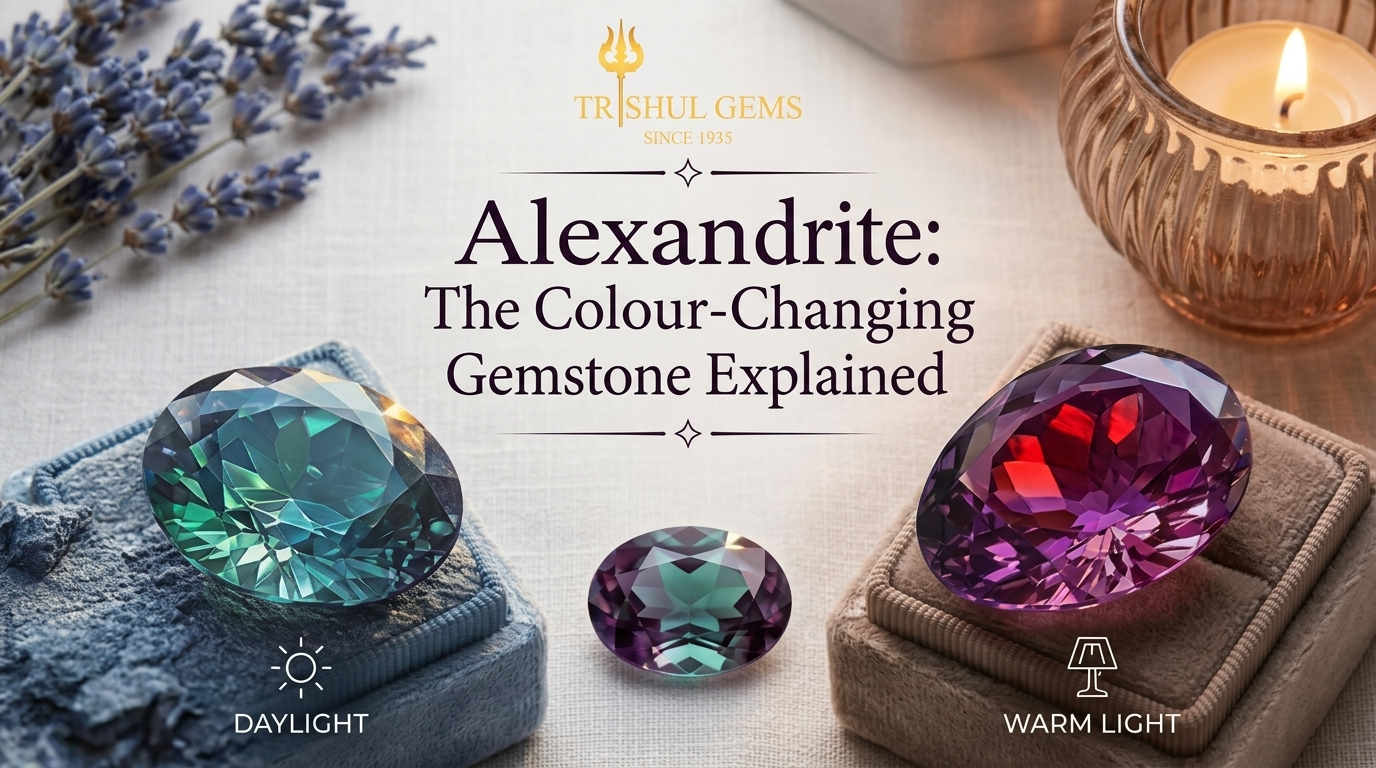
Famously described as “emerald by day, ruby by night,” Alexandrite shifts its coloration dramatically depending on the ambient lighting. Let us explore the science, the rich lore, and the captivating beauty that make Alexandrite one of the rarest and most coveted treasures in the mineral kingdom.
The defining characteristic of genuine Alexandrite is its remarkable color-change phenomenon (often called the “Alexandrite effect”).
Daylight (Fluorescent Light): Under natural sunlight or cool fluorescent office lighting, the stone absorbs specific wavelengths of light, reflecting a vibrant, lush bluish-green, teal, or emerald green.
Incandescent Light: When viewed under candlelight, tungsten, or warm indoor incandescent light, the color shifts dramatically into a rich, velvety raspberry red, purplish-red, or brownish-red.
This rare optical illusion occurs due to a rare combination of chromium trace elements interacting within a chrysoberyl crystal lattice, heavily absorbing yellow light while transmitting both green and red wavelengths almost equally.
Alexandrite was first discovered in the emerald mines of the Ural Mountains in Russia in the 1830s. Legend states that the stone was discovered on the exact day that future Tsar Alexander II reached his majority, leading miners to name the newly found mineral Alexandrite in his honor.
Because its striking color-change properties mirrored the imperial Russian military colors of green and red, it quickly became a national talisman of good fortune, royal favor, and elite prestige.
Natural, high-grade Alexandrite is exceptionally rare—far rarer than fine diamonds. While initial deposits were found in Russia, historical Ural mines are largely depleted today. Modern sources include Sri Lanka, Brazil, and East Africa, though stones exhibiting a sharp, 100% color change paired with high clarity command astronomical collector values.
When investing in extraordinary, rare-phenomenon gemstones like Alexandrite or building a sophisticated collection of certified natural treasures, absolute authenticity and expert grading are non-negotiable.
At Trishul Gems, we specialize in meticulously curated, laboratory-certified natural gemstones designed to offer unmatched beauty, rarity, and lasting value.
Website: trishulgems.com
Consultations & Orders: Explore our exclusive gemstone collections online today to find your rare treasure.
Trishul Gems | Premium Certified Natural Gemstones Worldwide
Website: trishulgems.com
No account yet?
Create an Account Blue Sapphire
 Yellow Sapphire
 Emerald (Panna)
 Ruby (Manik)
 Red Coral
 Cats Eye
 Hessonite
 Pearl
Pearl White Sapphire
 Amethyst
 Citrine
 Fire Opal
 Garnet
 Iolite
 Navratna
 Opal
Opal Peridot
 Pitambari Neelam
 Turquoise
 White Coral
 Yellow Topaz
 Zircon
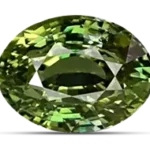 Alexandrite
 Burmese Ruby
 Cornflower Blue Sapphire
 Colombian Emeralds
 No Oil Emerald
 Panjshir Emerald
 Padparadscha Sapphire
 Paraiba Tourmaline
 Pigeon Blood Ruby
 Pink Sapphire
 Royal Blue Sapphire
 Tanzanite
 Amber
Amber Ametrine
 Aquamarine
 Blue Topaz
 Blue Zircon
 Kyanite
 Lapis Lazuli
 Moldavite
 Moonstone
 Spinel
 Star Ruby
 Tourmaline