
Types of Blue Sapphire Stone: A Complete Geological and Astrological Guide

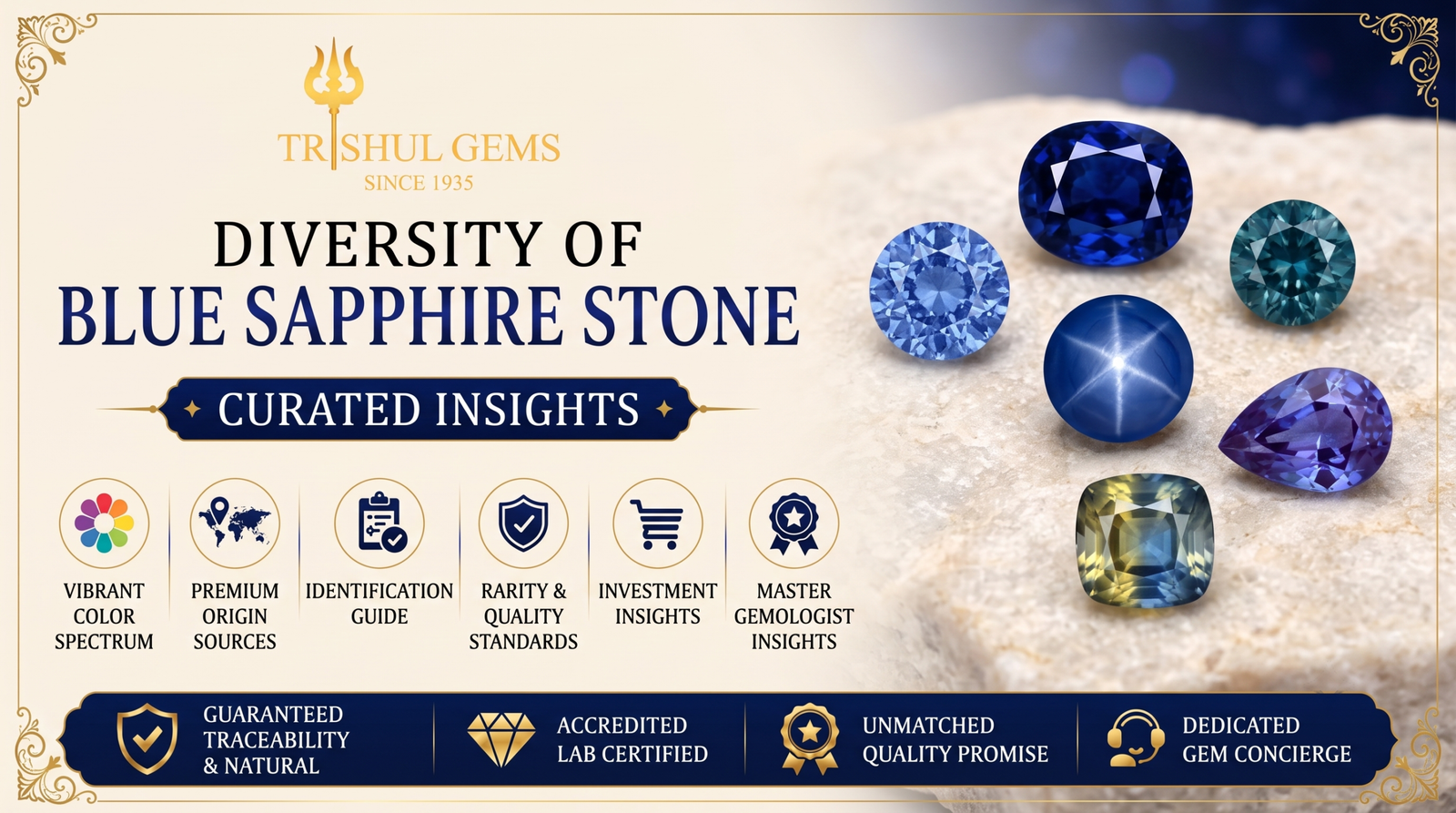
When it comes to precious colored gemstones, few hold the majestic allure of the Blue Sapphire, universally revered in Vedic astrology and fine jewelry as Neelam. Ruled by the karmic planet Saturn (Shani), Blue Sapphire is prized not only for its velvety, deep-blue hues but also for its powerful, rapid astrological impacts.
However, not all Blue Sapphires are created equal. The value, beauty, and energetic potency of a sapphire depend heavily on its geographic origin, color saturation, clarity, and treatment status. Let’s explore the primary types of Blue Sapphire stones available in the global market and how to choose the right one for your collection.
Geographic origin is one of the most critical factors determining the rarity and market value of a Blue Sapphire. Different mining regions impart distinct mineral signatures and color characteristics into the corundum crystals.
Kashmir Blue Sapphires: Widely considered the holy grail of sapphires. Mined historically in the Zanskar range of the Himalayas, Kashmir sapphires are famous for their signature “cashmere” look—a velvety, milky-blue appearance caused by microscopic inclusions that softly scatter light. Due to depleted mines, authentic Kashmir sapphires are exceptionally rare collector’s items.
Ceylon (Sri Lankan) Blue Sapphires: Sri Lanka is one of the world’s oldest and most prolific sources of high-grade gemstones. Ceylon blue sapphires are renowned for their vibrant, bright medium-to-light blue shades and exceptional brilliance. In Vedic astrology, Ceylon sapphires are highly recommended due to their high crystal clarity and pure energy transmission.
Burmese (Myanmar) Blue Sapphires: Burmese sapphires are famous for their deep, royal blue or indigo tones with high saturation. They often exhibit strong color consistency and are prized by fine jewelry connoisseurs for their rich, saturated depth.
African Blue Sapphires (Madagascar, Tanzania, Nigeria): African nations produce a significant volume of modern commercial and high-grade sapphires. Madagascar sapphires, in particular, often rival Ceylon stones in brilliance and clarity, making them a popular and accessible choice for buyers seeking natural certified stones.
In the gemstone industry, understanding treatments is vital for both valuation and astrological efficacy:
Natural Untreated (Unheated) Sapphires: These stones have undergone no artificial enhancement after being mined. They retain their pure, natural earth energy and command the highest market and astrological value.
Heated Sapphires: Thermal enhancement is a centuries-old practice used to improve color and clarity. While common in commercial jewelry, astrological remedies typically require unheated stones.
Before you buy natural certified Blue Sapphire online, always evaluate the 4Cs:
Color: Look for an even distribution of rich, velvety blue without grey or black undertones.
Clarity: Ensure the stone is eye-clean, avoiding major feather inclusions that could impact durability.
Certification: Only purchase stones accompanied by reputable laboratory reports confirming their natural origin and treatment status.
Whether you are looking for an astrological breakthrough or an exquisite piece of heirloom jewelry, compromising on quality is never an option. At Trishul Gems, we specialize in authentic, unheated, and untreated natural certified Blue Sapphires backed by trusted laboratory grading.
Website: trishulgems.com
Consultations & Orders: Explore our exclusive collection of certified Blue Sapphires online today.
No account yet?
Create an Account Blue Sapphire
 Yellow Sapphire
 Emerald (Panna)
 Ruby (Manik)
 Red Coral
 Cats Eye
 Hessonite
 Pearl
Pearl White Sapphire
 Amethyst
 Citrine
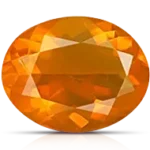 Fire Opal
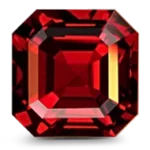 Garnet
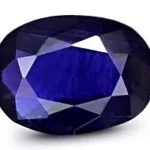 Iolite
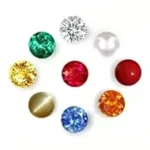 Navratna
 Opal
Opal Peridot
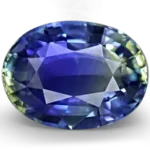 Pitambari Neelam
 Turquoise
 White Coral
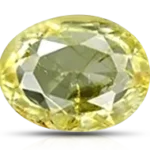 Yellow Topaz
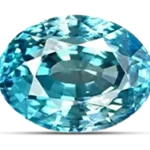 Zircon
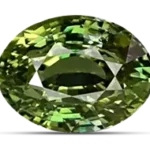 Alexandrite
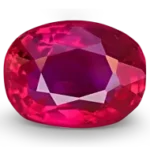 Burmese Ruby
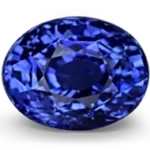 Cornflower Blue Sapphire
 Colombian Emeralds
 No Oil Emerald
 Panjshir Emerald
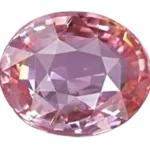 Padparadscha Sapphire
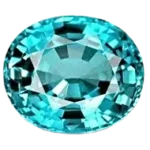 Paraiba Tourmaline
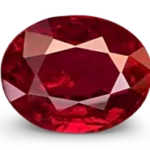 Pigeon Blood Ruby
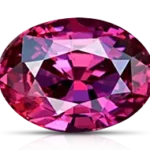 Pink Sapphire
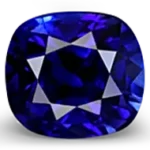 Royal Blue Sapphire
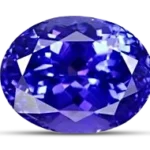 Tanzanite
 Amber
Amber Ametrine
 Aquamarine
 Blue Topaz
 Blue Zircon
 Kyanite
 Lapis Lazuli
 Moldavite
 Moonstone
 Spinel
 Star Ruby
 Tourmaline