
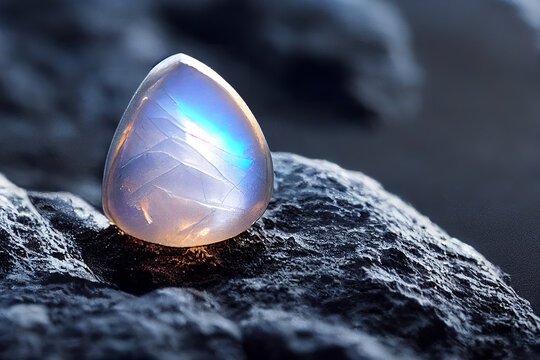
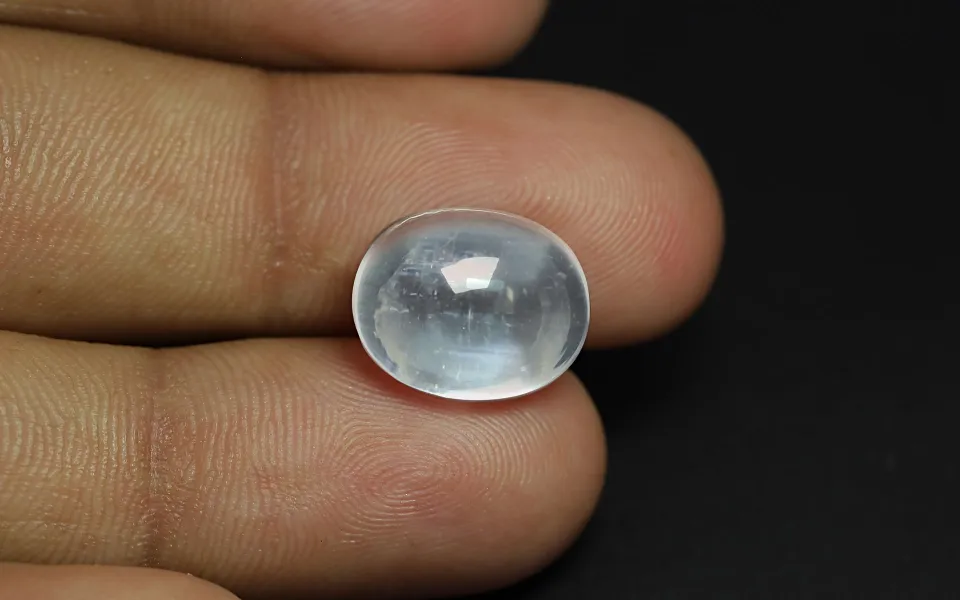
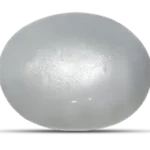
Moonstone is associated with the Moon in contemporary astrological practice, much like Pearl, and is often used to support emotional balance, intuition, and calmness. It’s sometimes chosen as a more affordable alternative to Pearl for those seeking lunar benefits, particularly popular for its distinctive “adularescence” — a soft, glowing light effect that seems to float beneath the surface of the stone.
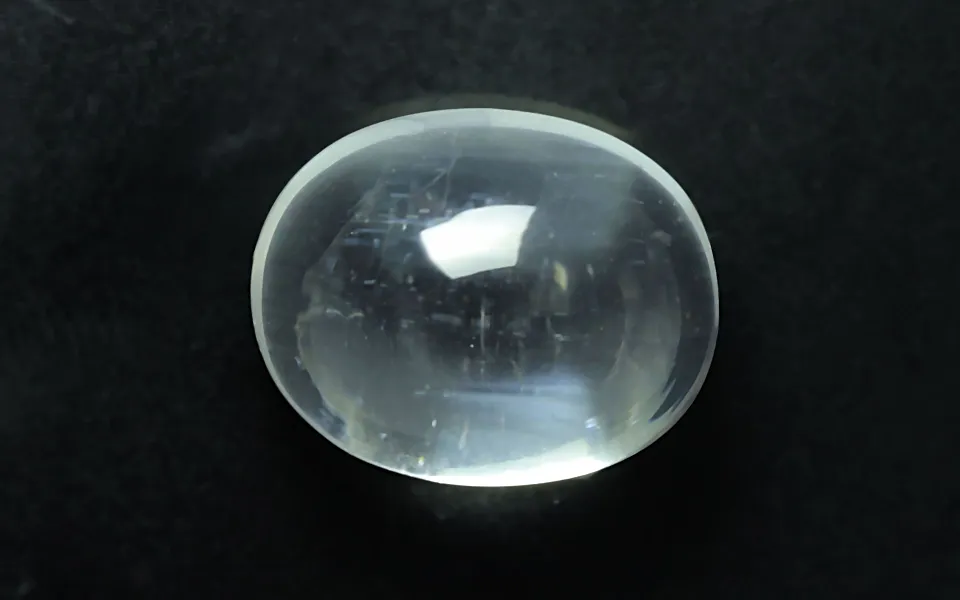
Moonstone pricing is driven primarily by the strength and color of this glow effect — a strong blue sheen on a clear, colorless base (known as “blue Moonstone”) is the most valuable, while a weaker or grayish glow is more common and affordable. Sri Lanka and India are major sources, with Indian Moonstone often showing a warmer, more golden body tone compared to the blue-sheen Sri Lankan material. Moonstone is rarely treated, so authenticity is generally easier to verify through visual inspection alongside basic gemological testing.
Trishul Gems sources Moonstone with verified natural origin, ensuring the adularescence and quality are genuine.
Moonstone is sometimes used as a more affordable alternative to Pearl for those seeking lunar, Moon-related benefits, though it is a distinct mineral with its own unique optical properties.
It's the soft, glowing light effect visible beneath the surface of Moonstone as it's moved, caused by light scattering between microscopic internal layers — the stronger and bluer this glow, the more valuable the stone.
Sri Lankan Moonstone typically shows a sought-after blue sheen on a clear base, while Indian Moonstone tends to have a warmer, golden body tone — preference depends on the buyer's taste and intended use.
No account yet?
Create an Account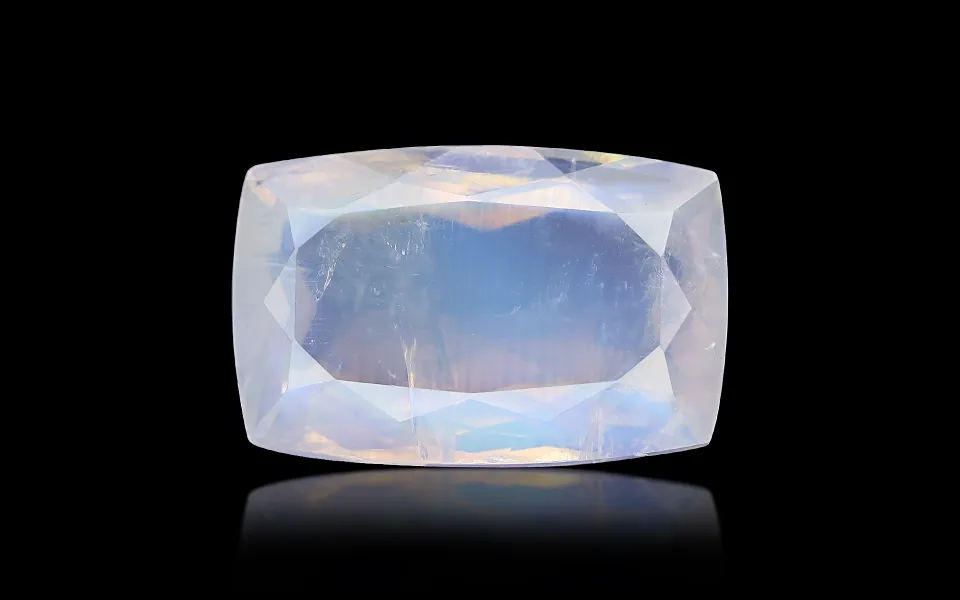
 Blue Sapphire
 Yellow Sapphire
 Emerald (Panna)
 Ruby (Manik)
 Red Coral
 Cats Eye
 Hessonite
 Pearl
Pearl White Sapphire
 Amethyst
 Citrine
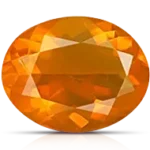 Fire Opal
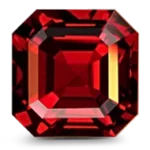 Garnet
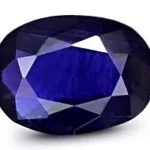 Iolite
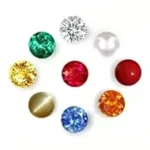 Navratna
 Opal
Opal Peridot
 Pitambari Neelam
 Turquoise
 White Coral
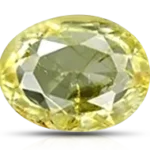 Yellow Topaz
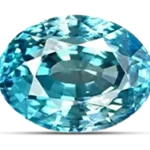 Zircon
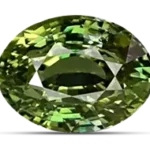 Alexandrite
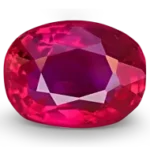 Burmese Ruby
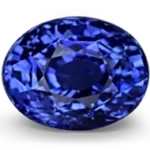 Cornflower Blue Sapphire
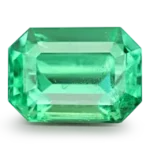 Colombian Emeralds
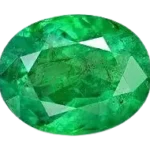 No Oil Emerald
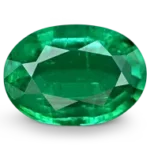 Panjshir Emerald
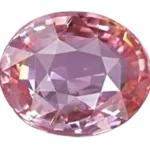 Padparadscha Sapphire
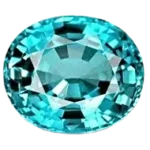 Paraiba Tourmaline
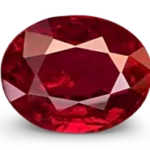 Pigeon Blood Ruby
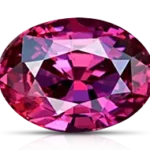 Pink Sapphire
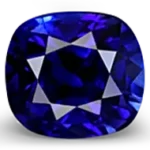 Royal Blue Sapphire
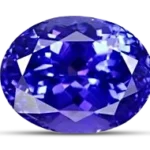 Tanzanite
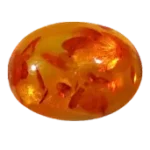 Amber
Amber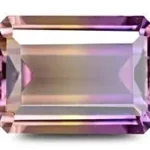 Ametrine
 Aquamarine
 Blue Topaz
 Blue Zircon
 Kyanite
 Lapis Lazuli
 Moldavite
 Moonstone
 Spinel
 Star Ruby
 Tourmaline