
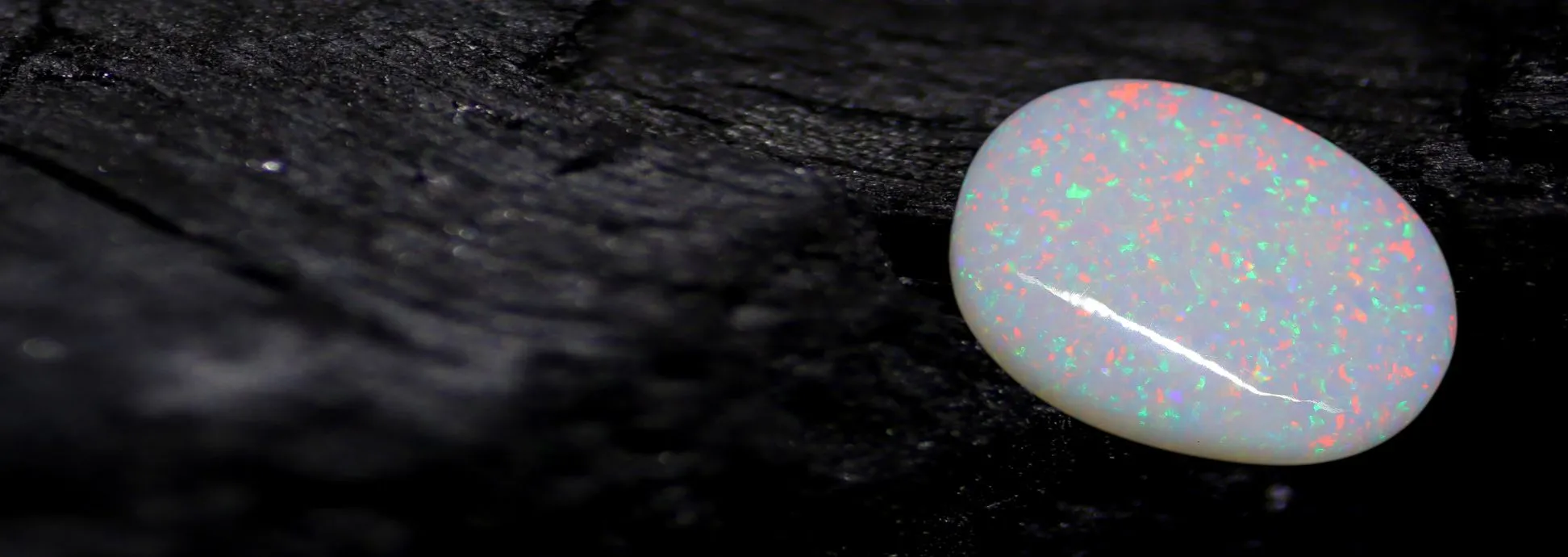
Opal is associated with the planet Venus (Shukra) in Vedic astrology, much like Diamond, and is sometimes used as a substitute for those seeking Venus’s benefits — romance, creativity, beauty, and harmony in relationships — at a more accessible price point. It’s particularly favored by those in creative fields such as art, design, and entertainment, where Venus’s influence on aesthetics and charm is considered significant.
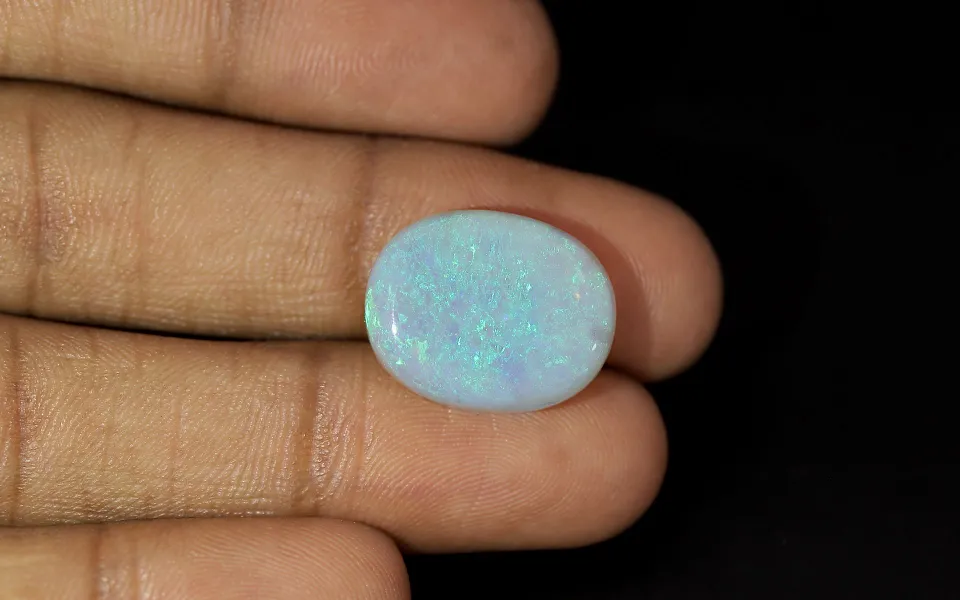
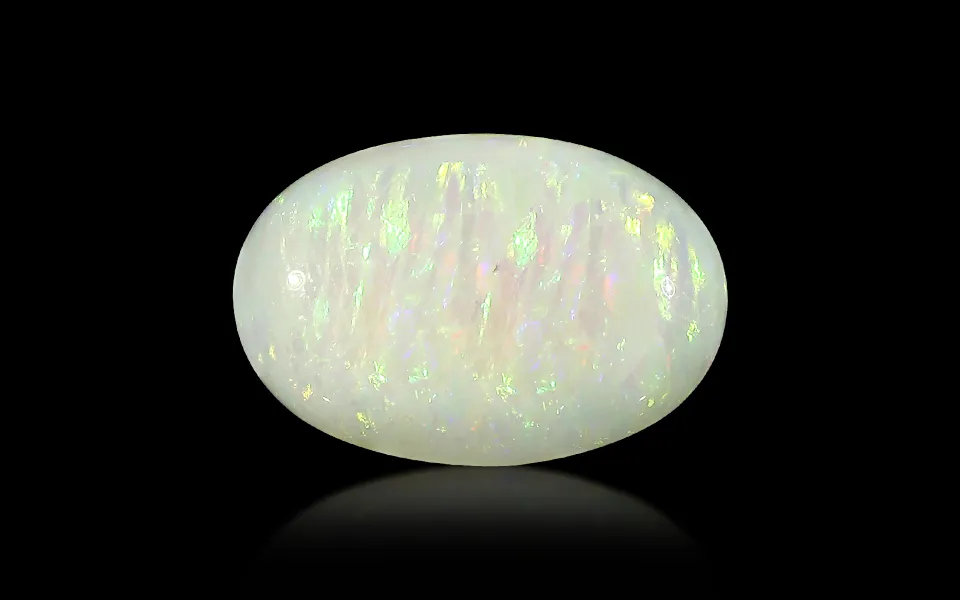
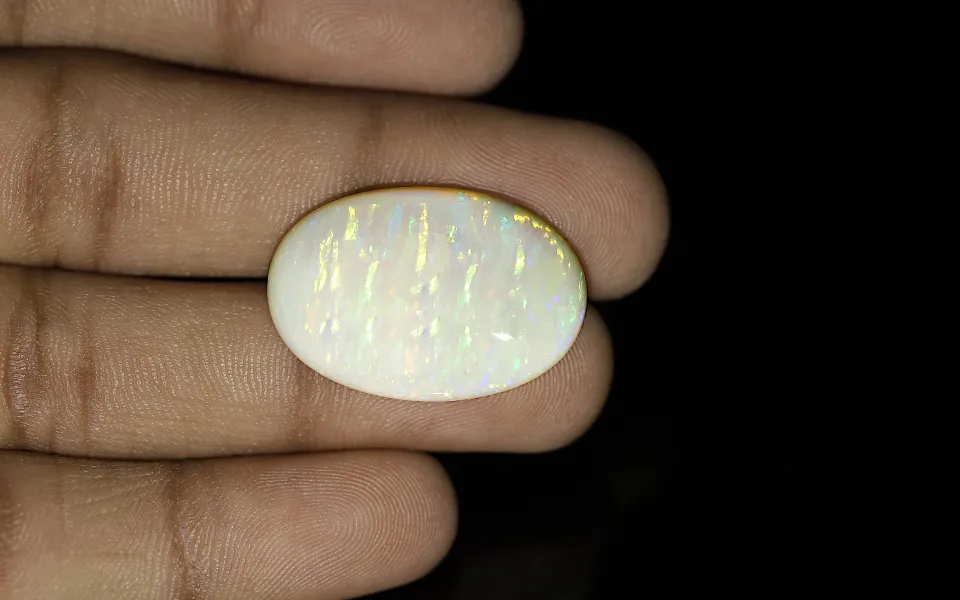
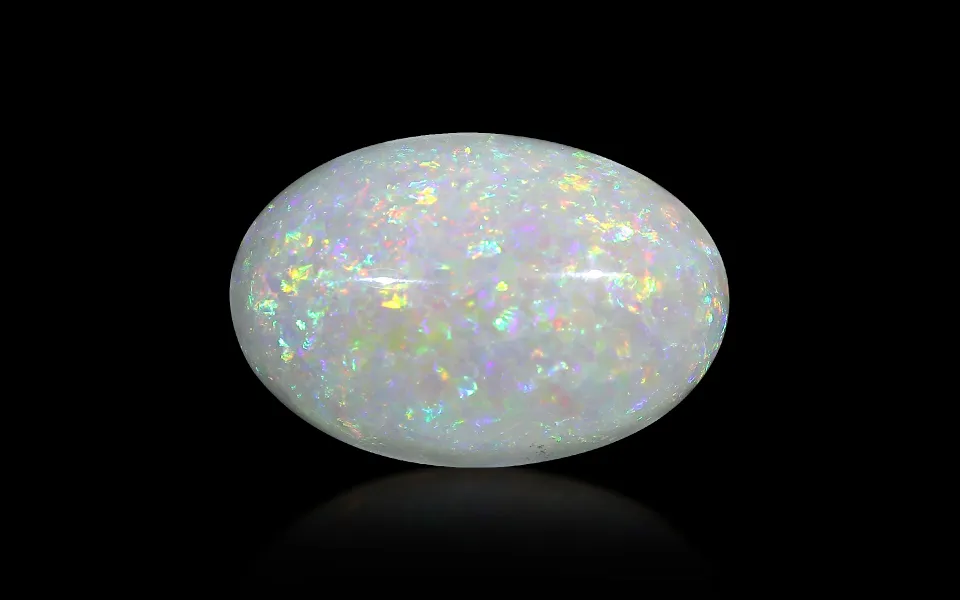
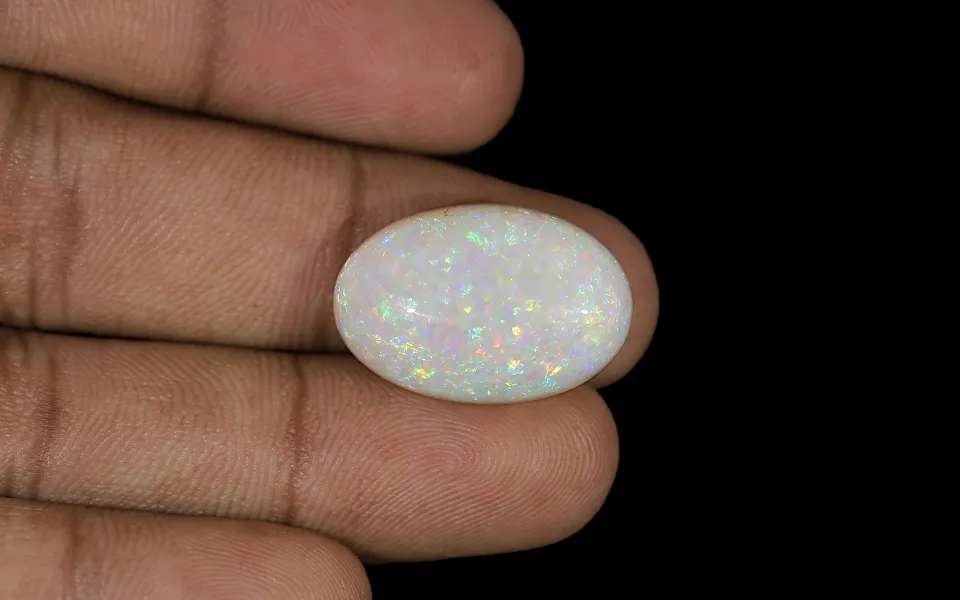
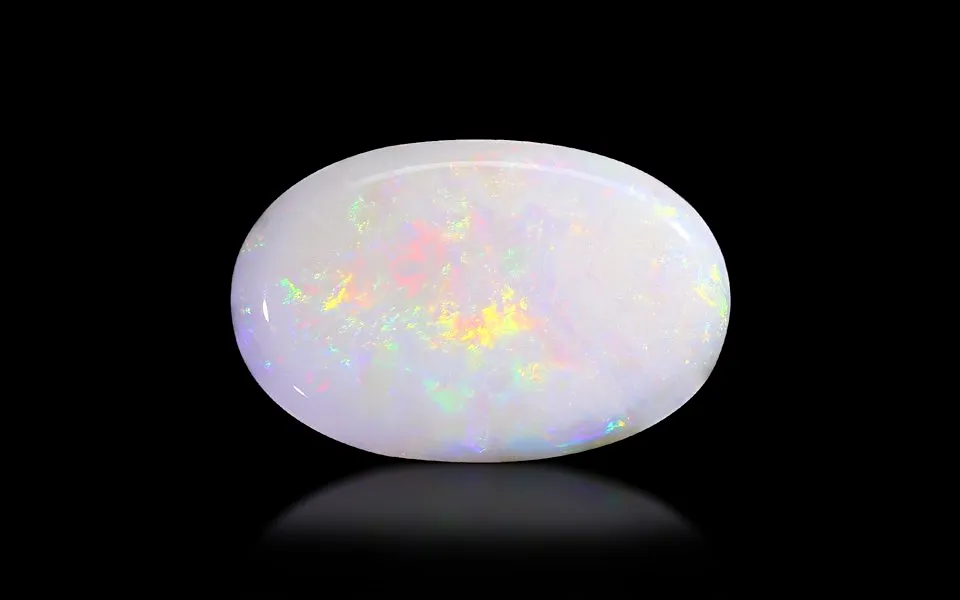
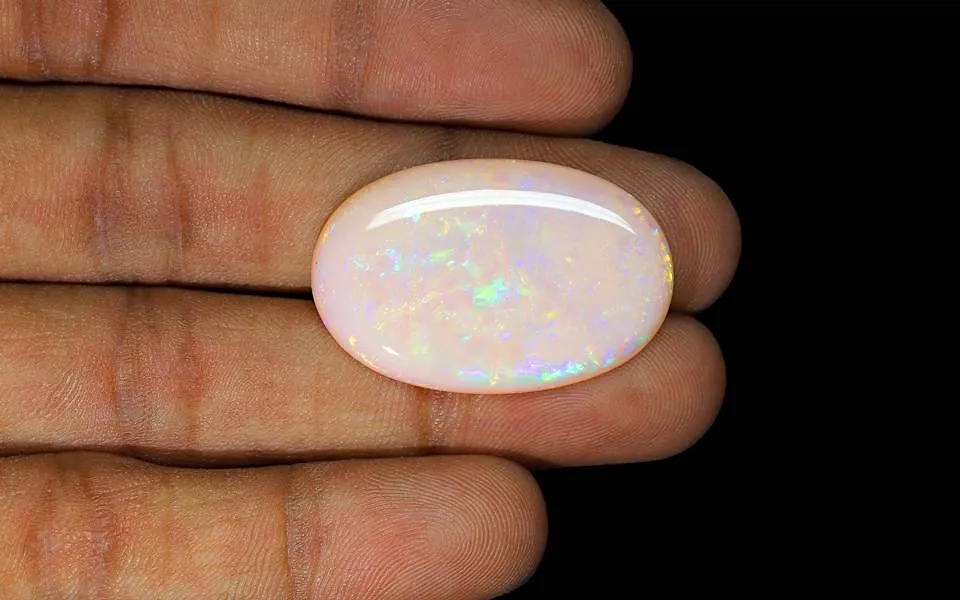
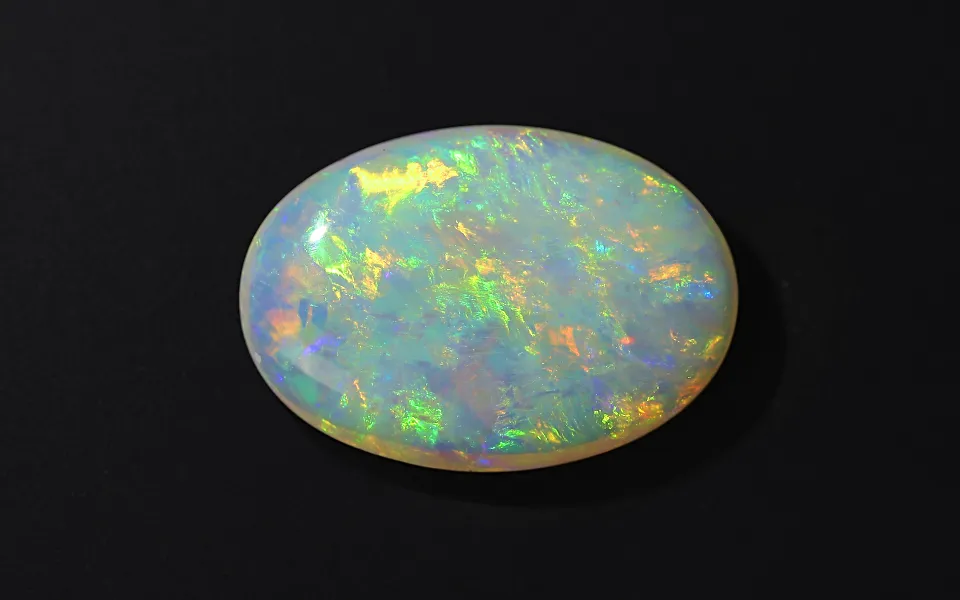
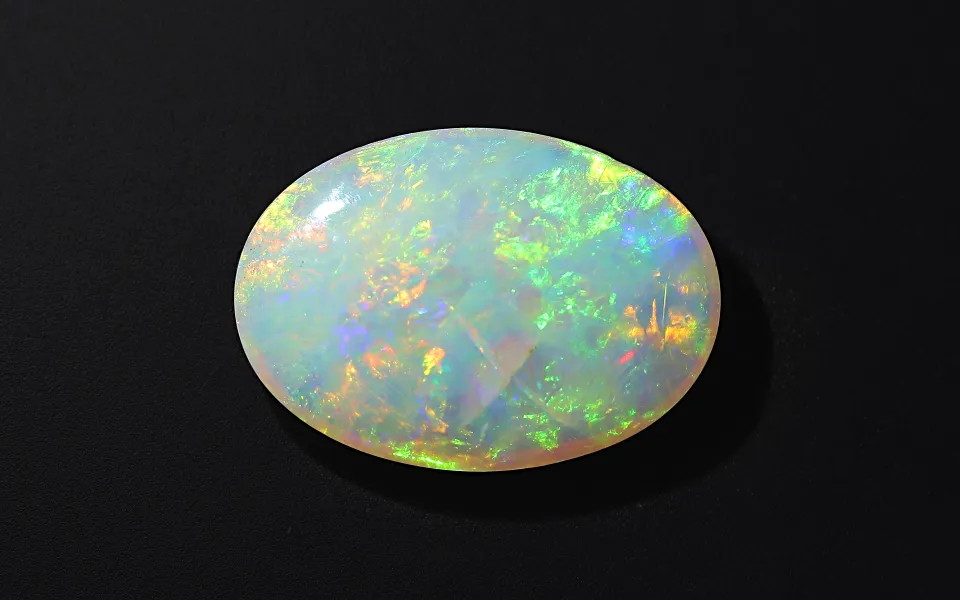
Opal pricing depends heavily on its “play of color” — the shifting flashes of color visible as the stone moves — along with body tone, pattern, and origin. Ethiopian and Australian Opals are the two dominant sources, with Australian Opal generally commanding higher prices for its more stable, vivid color play. Because Opal is a relatively soft and porous stone, it’s also more prone to treatment (such as dyeing or smoke treatment to darken body tone), making certification of natural, untreated Opal especially important for astrological use.
Trishul Gems certifies the natural origin of every Opal, helping ensure you receive a genuine stone suited for astrological purposes.
Opal is recommended for those with a weak or unfavorable Venus, particularly individuals in creative or relationship-focused pursuits, though it's traditionally advised to consult an astrologer first since Opal can be intense in its effects, similar to Diamond.
It refers to the shifting flashes of rainbow-like color visible as the stone is moved under light, caused by the diffraction of light through microscopic silica spheres within the stone — this is the primary factor determining an Opal's value.
Australian Opal is generally considered more stable and commands higher prices, while Ethiopian Opal is more affordable but can be more porous and prone to absorbing moisture or treatment over time.
No account yet?
Create an Account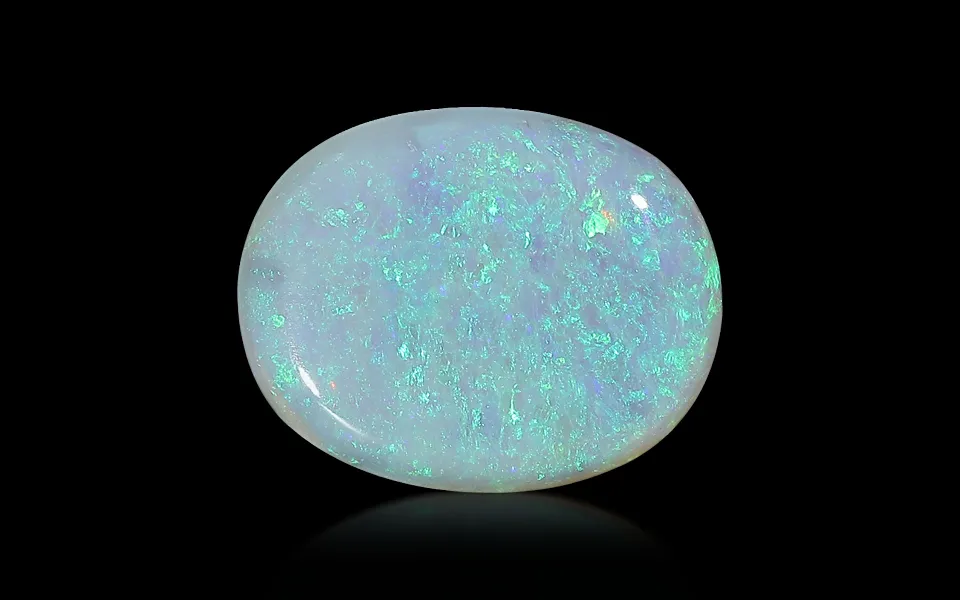
 Blue Sapphire
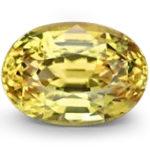 Yellow Sapphire
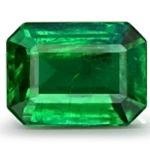 Emerald (Panna)
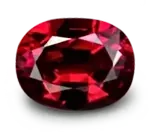 Ruby (Manik)
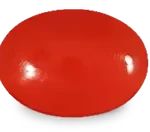 Red Coral
 Cats Eye
 Hessonite
 Pearl
Pearl White Sapphire
 Amethyst
 Citrine
 Fire Opal
 Garnet
 Iolite
 Navratna
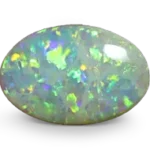 Opal
Opal Peridot
 Pitambari Neelam
 Turquoise
 White Coral
 Yellow Topaz
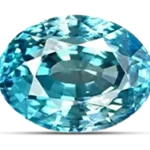 Zircon
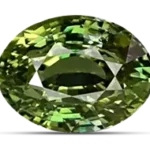 Alexandrite
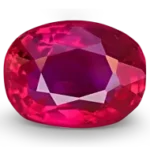 Burmese Ruby
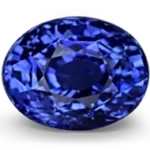 Cornflower Blue Sapphire
 Colombian Emeralds
 No Oil Emerald
 Panjshir Emerald
 Padparadscha Sapphire
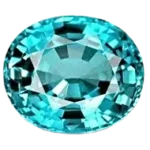 Paraiba Tourmaline
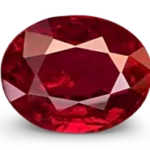 Pigeon Blood Ruby
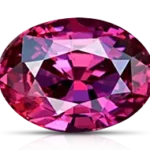 Pink Sapphire
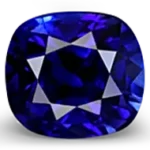 Royal Blue Sapphire
 Tanzanite
 Amber
Amber Ametrine
 Aquamarine
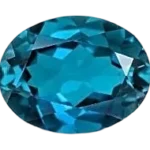 Blue Topaz
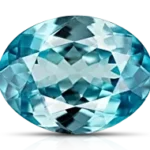 Blue Zircon
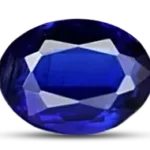 Kyanite
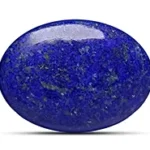 Lapis Lazuli
 Moldavite
 Moonstone
 Spinel
 Star Ruby
 Tourmaline