Diamond
Diamond (Heera): Benefits, Astrological Significance & Buying Guide
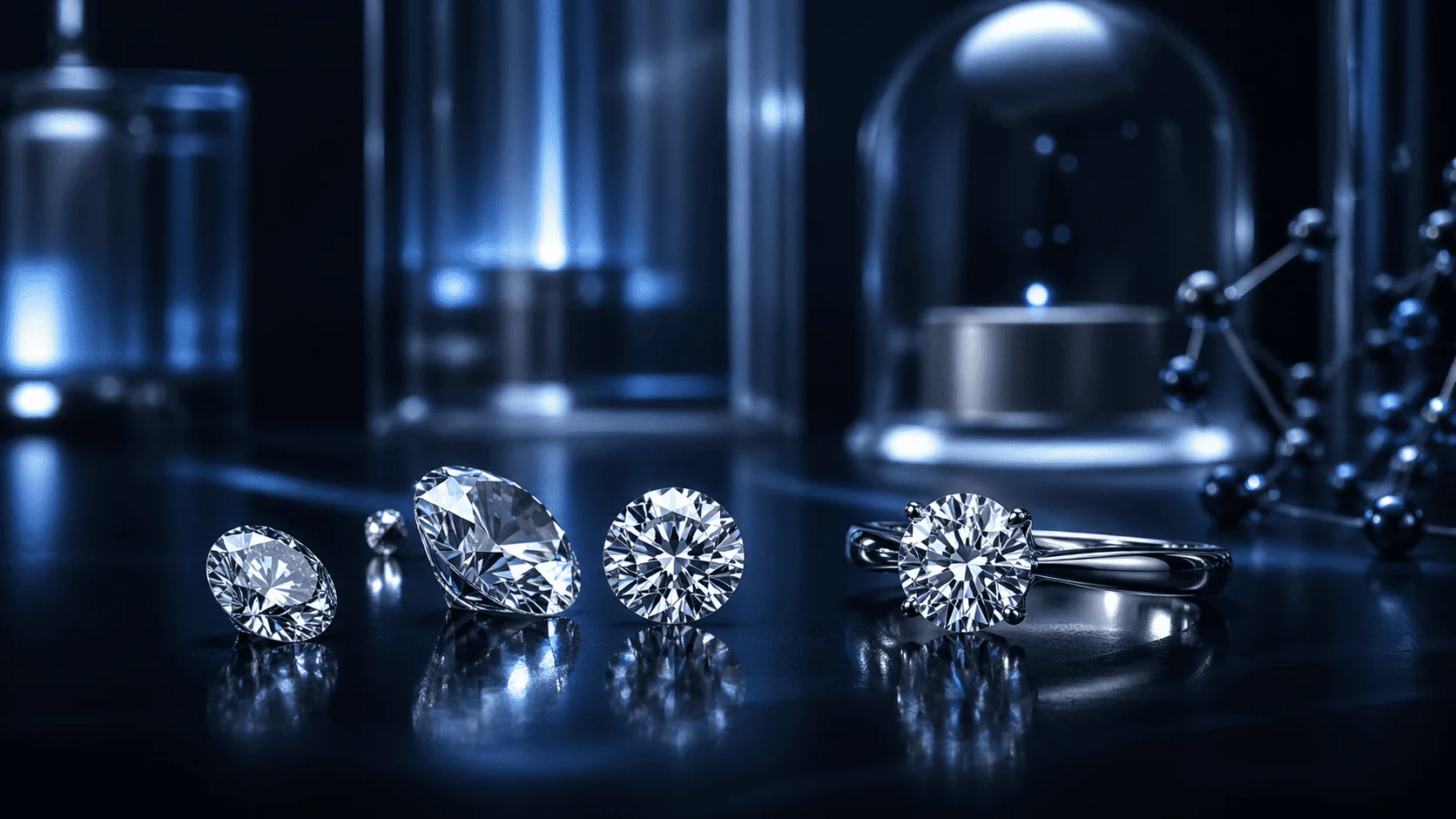
Diamond, known as Heera, represents the planet Venus (Shukra) in Vedic astrology and is associated with luxury, relationships, beauty, and material prosperity. It is often recommended for individuals seeking marital happiness, financial growth, or to strengthen a weak Venus in their birth chart. Diamond is considered the most powerful of the Navratna stones for Venus-related concerns, and is traditionally reserved for those with a compatible birth chart, as it can intensify Venus’s effects significantly when poorly suited.
Diamond pricing follows the globally recognized “4Cs” — carat, cut, clarity, and color — alongside certification from a recognized gemological lab. For astrological use, a natural, untreated diamond with good clarity is generally preferred over heavily treated or lab-grown alternatives, even though the latter are visually similar. Because diamonds are the most replicated and treated gemstone in the market, third-party lab certification (rather than a seller’s own grading) is essential to confirming authenticity.
Trishul Gems provides independently certified natural diamonds, so buyers can be confident in both quality and astrological authenticity.
FAQ's
Diamond is associated with Venus and is often recommended for those seeking to strengthen a weak Venus for marital happiness, beauty, or financial prosperity — though it's traditionally advised only after confirming compatibility with your chart, as it can intensify Venus's effects strongly.
The 4Cs are Carat (weight), Cut (how well it's shaped and faceted), Clarity (presence of internal/external flaws), and Color (degree of colorlessness or tint) — together, these determine a diamond's overall quality and price.
Most Vedic astrology practitioners recommend natural, mined diamonds for astrological purposes rather than lab-grown ones, as the natural formation process is considered significant to the stone's traditional energetic properties, even though both are chemically identical.
 Blue Sapphire
 Yellow Sapphire
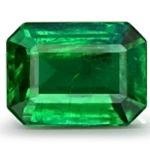 Emerald (Panna)
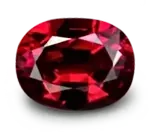 Ruby (Manik)
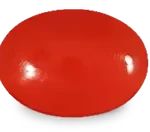 Red Coral
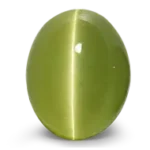 Cats Eye
 Hessonite
 Pearl
Pearl White Sapphire
 Amethyst
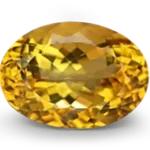 Citrine
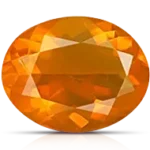 Fire Opal
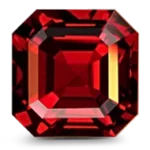 Garnet
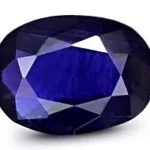 Iolite
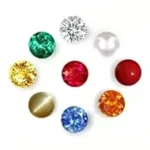 Navratna
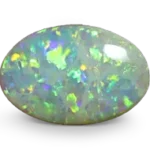 Opal
Opal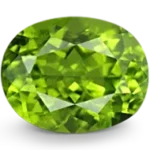 Peridot
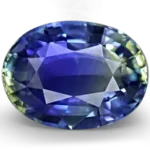 Pitambari Neelam
 Turquoise
 White Coral
 Yellow Topaz
 Zircon
 Alexandrite
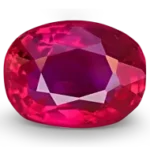 Burmese Ruby
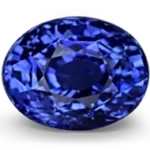 Cornflower Blue Sapphire
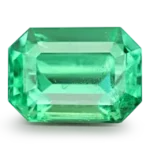 Colombian Emeralds
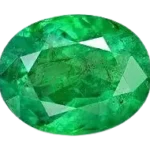 No Oil Emerald
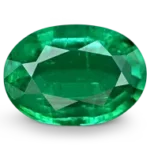 Panjshir Emerald
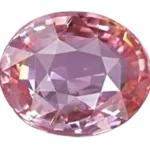 Padparadscha Sapphire
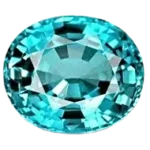 Paraiba Tourmaline
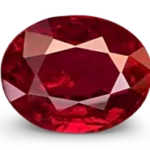 Pigeon Blood Ruby
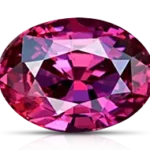 Pink Sapphire
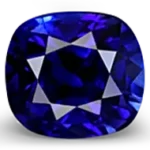 Royal Blue Sapphire
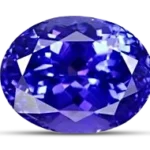 Tanzanite
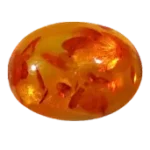 Amber
Amber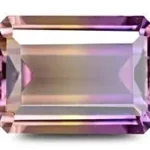 Ametrine
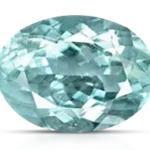 Aquamarine
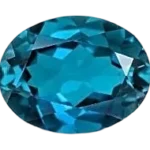 Blue Topaz
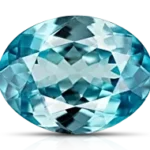 Blue Zircon
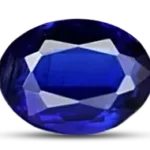 Kyanite
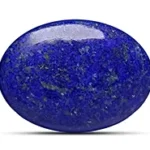 Lapis Lazuli
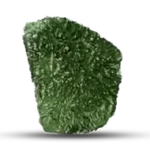 Moldavite
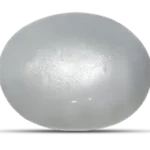 Moonstone
 Spinel
 Star Ruby
 Tourmaline