
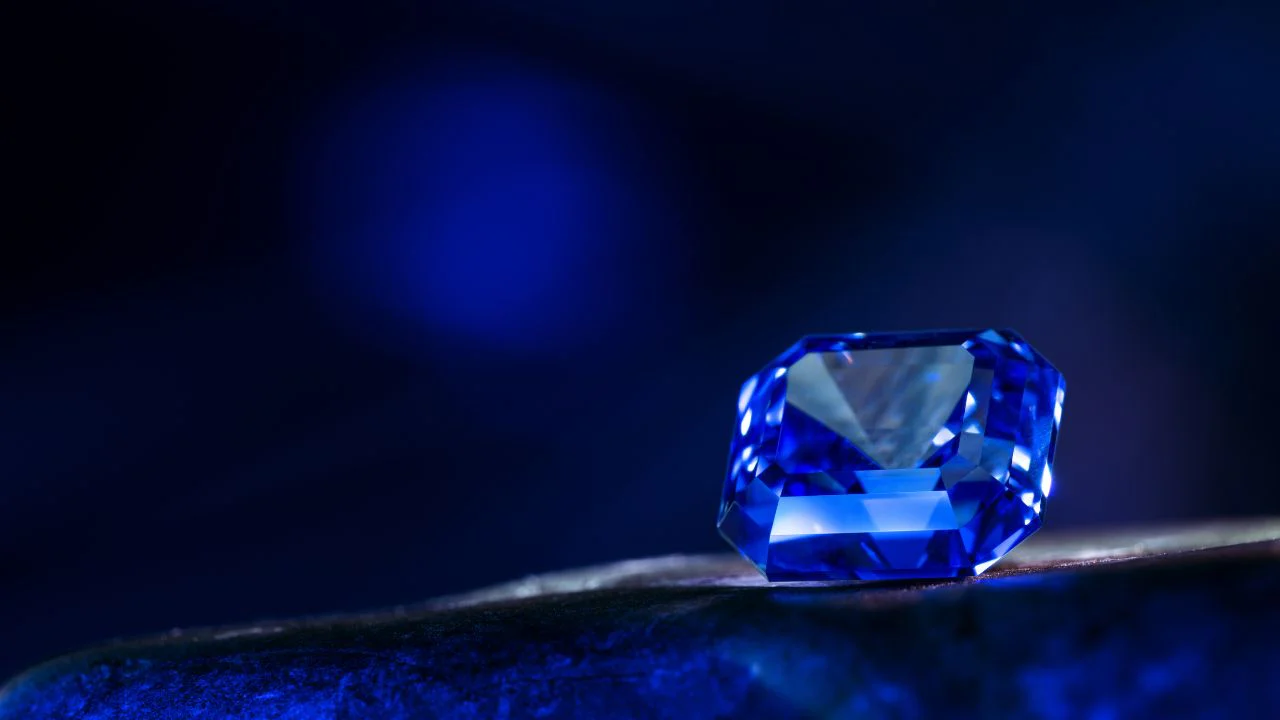
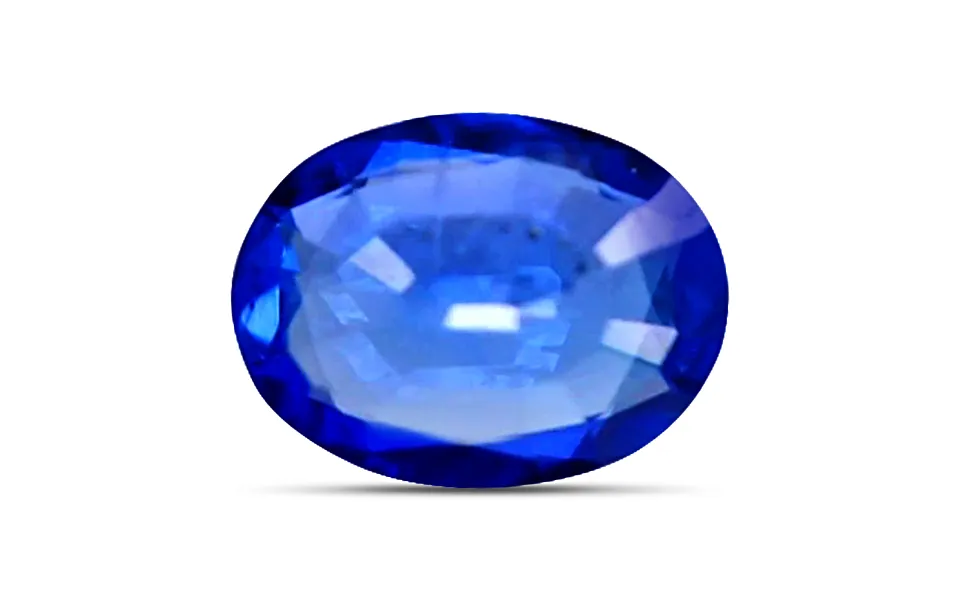
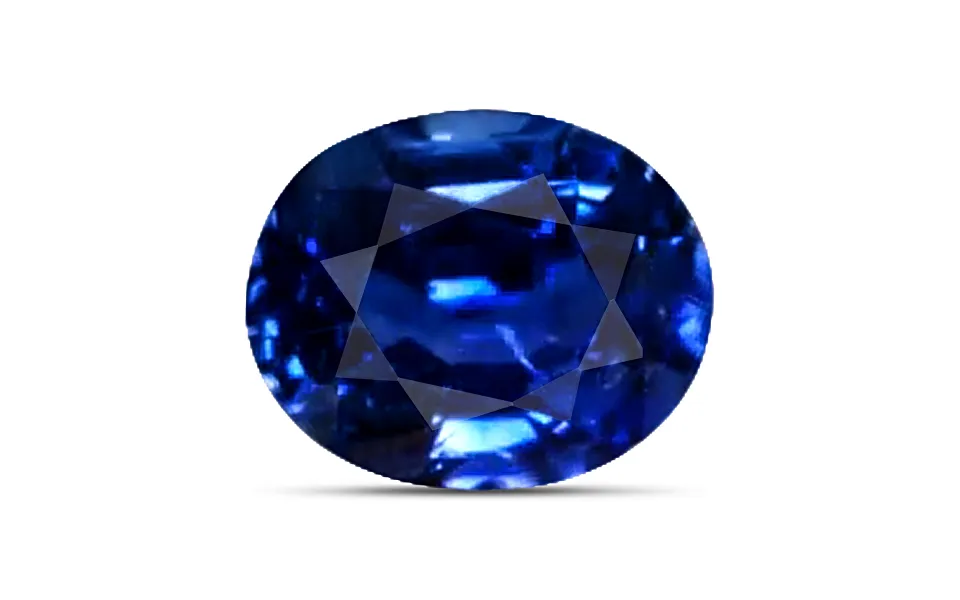
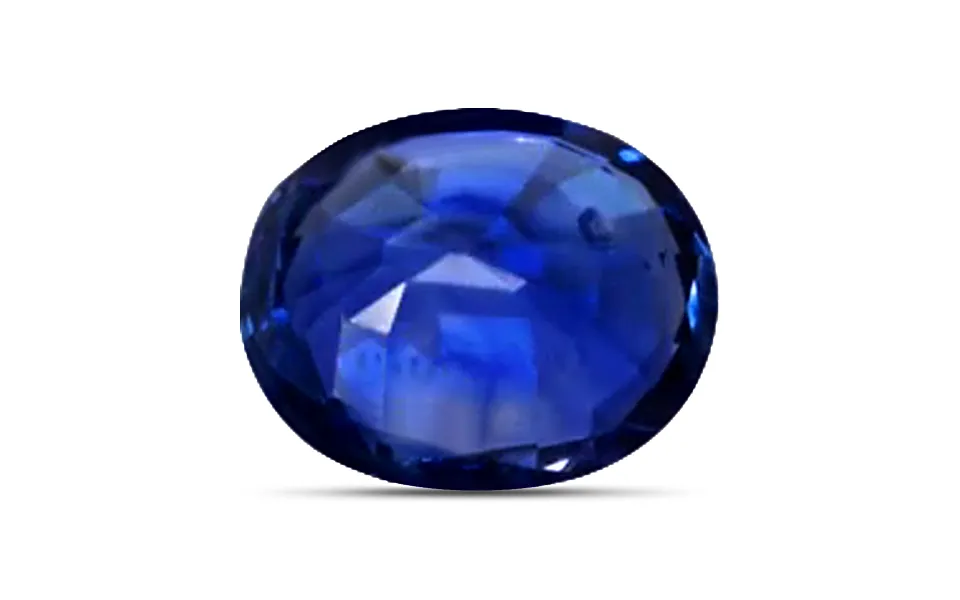
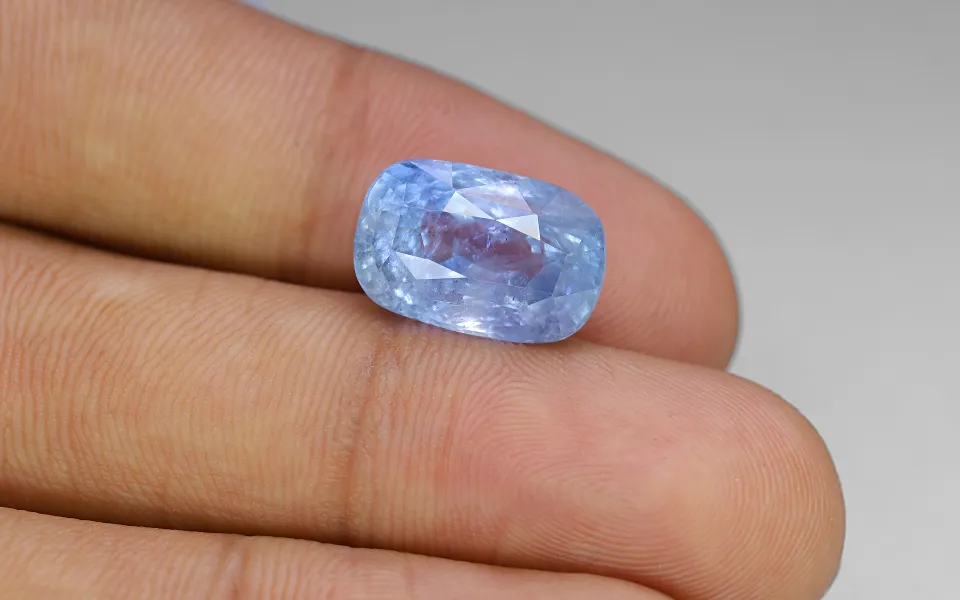
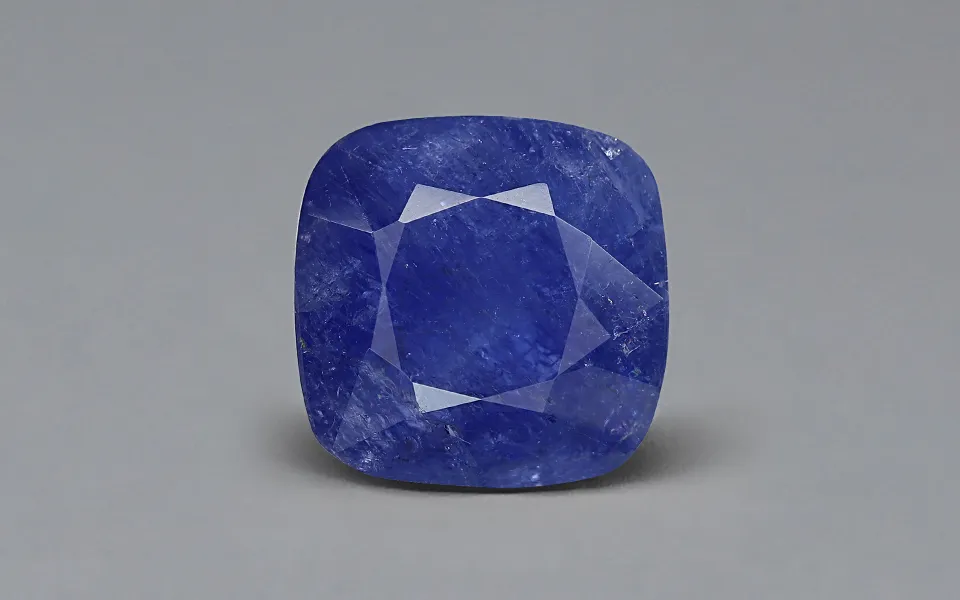
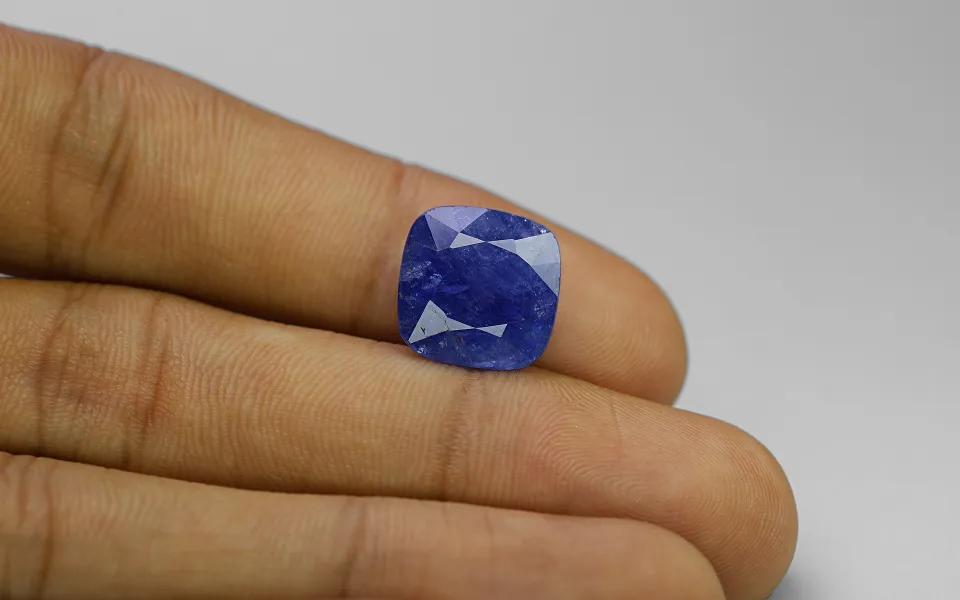
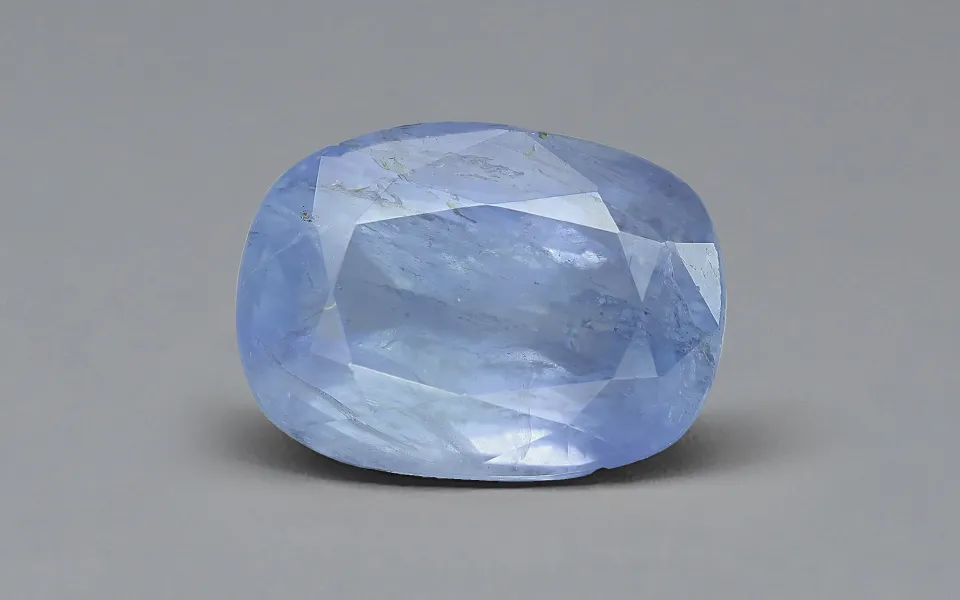
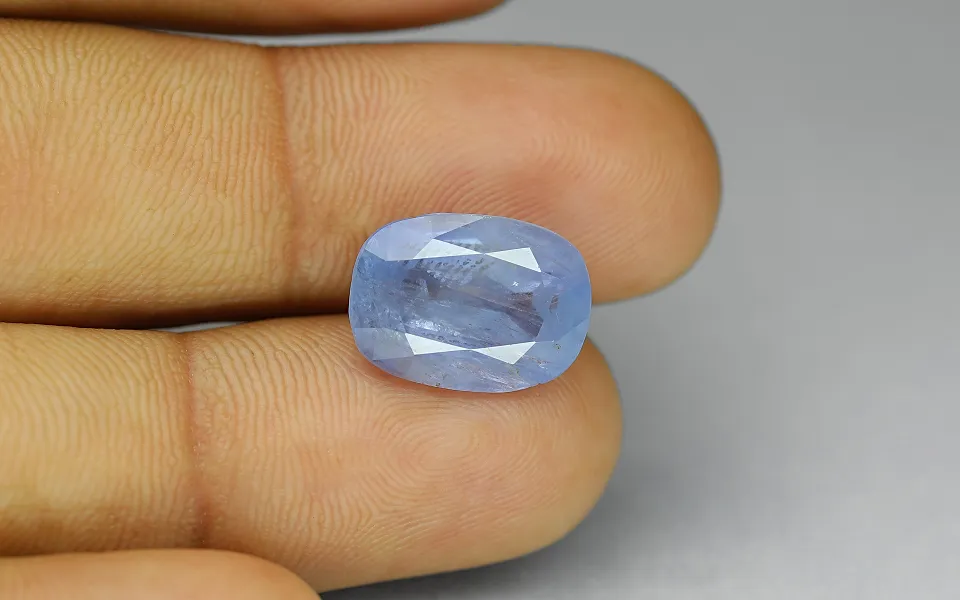
Blue Sapphire, called Neelam in Sanskrit, is associated with the planet Saturn (Shani) — one of the most powerful and fastest-acting gemstones in Vedic astrology. It is worn to pacify or strengthen Saturn’s influence, and is often recommended for individuals undergoing Saturn-related periods such as Sade Sati or Shani Mahadasha. Because of its intensity, Neelam is traditionally trial-worn for a few days before committing to it permanently, as its effects are said to manifest faster than most other gemstones.
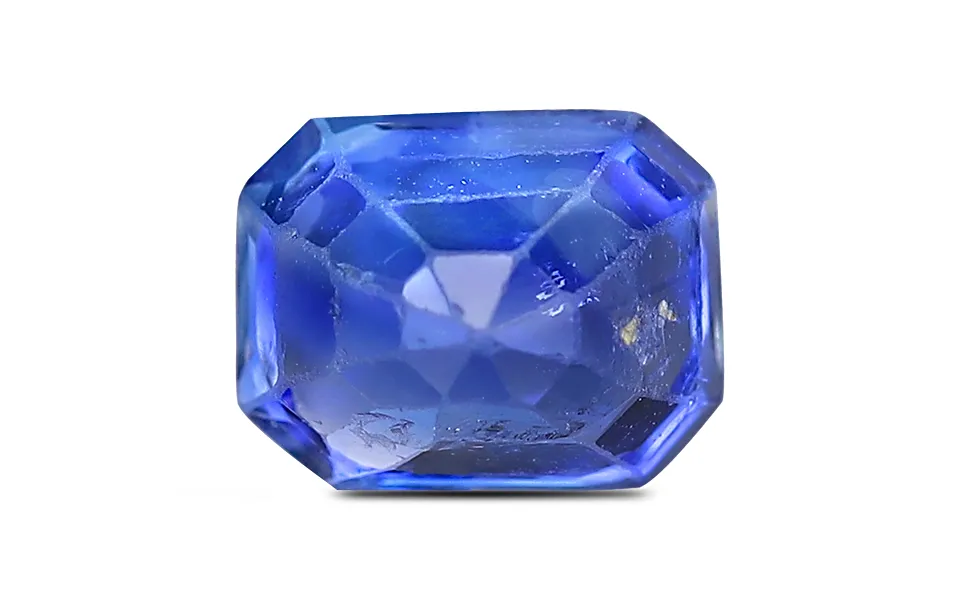
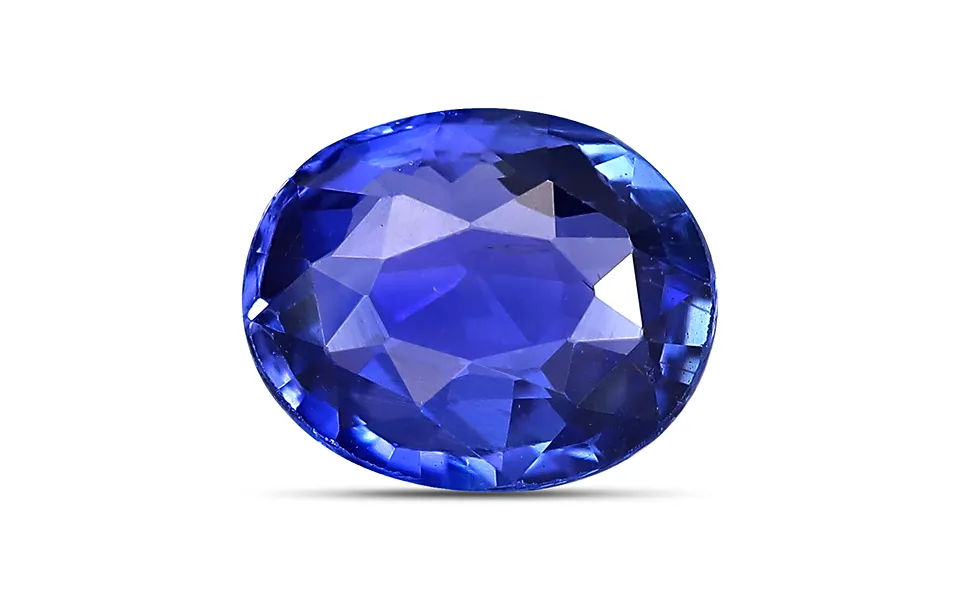
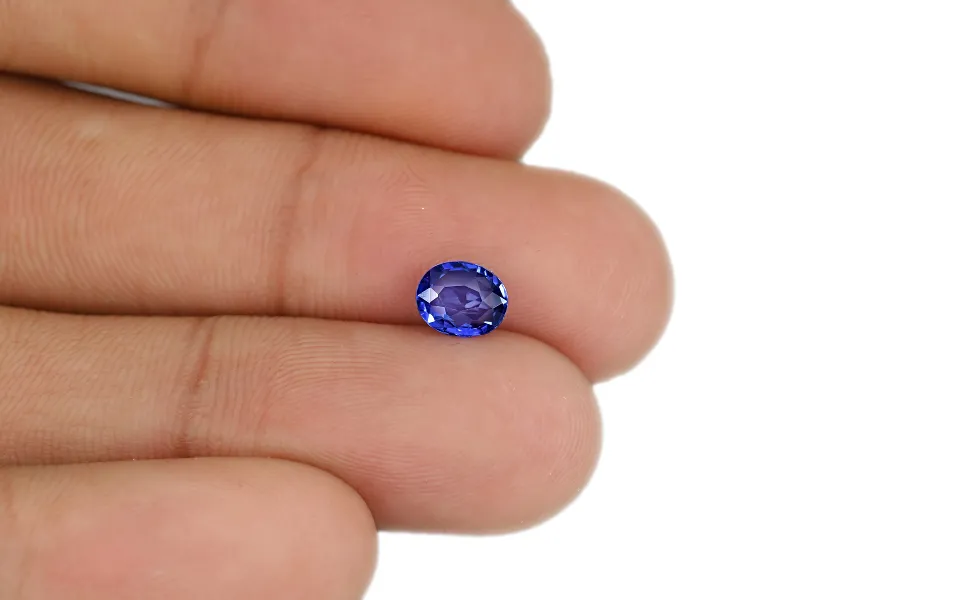
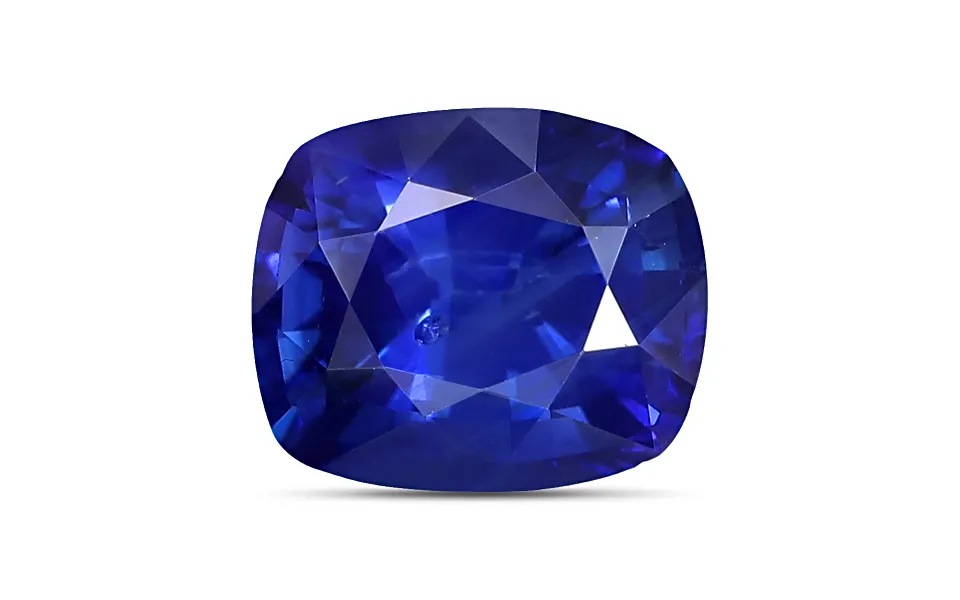
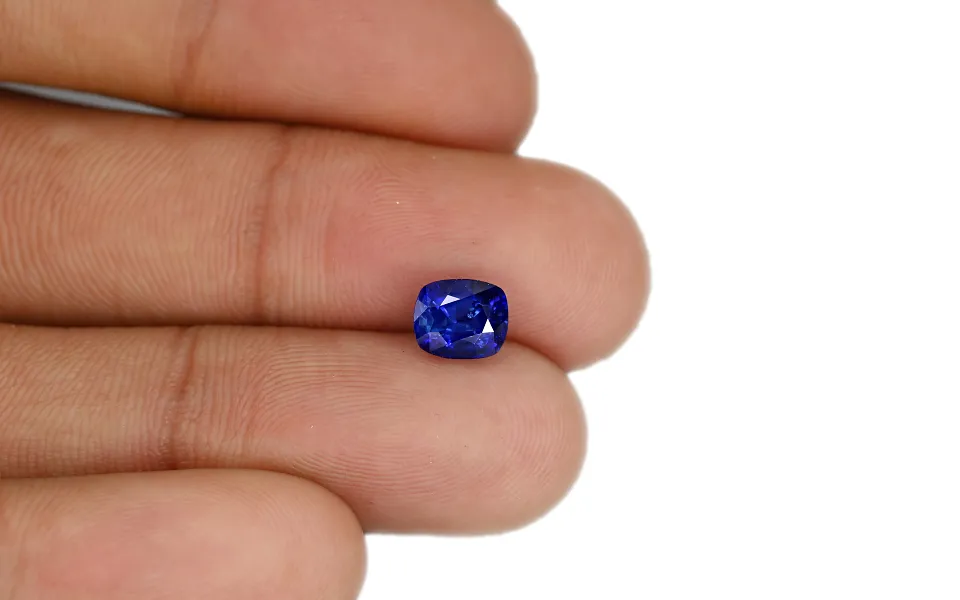
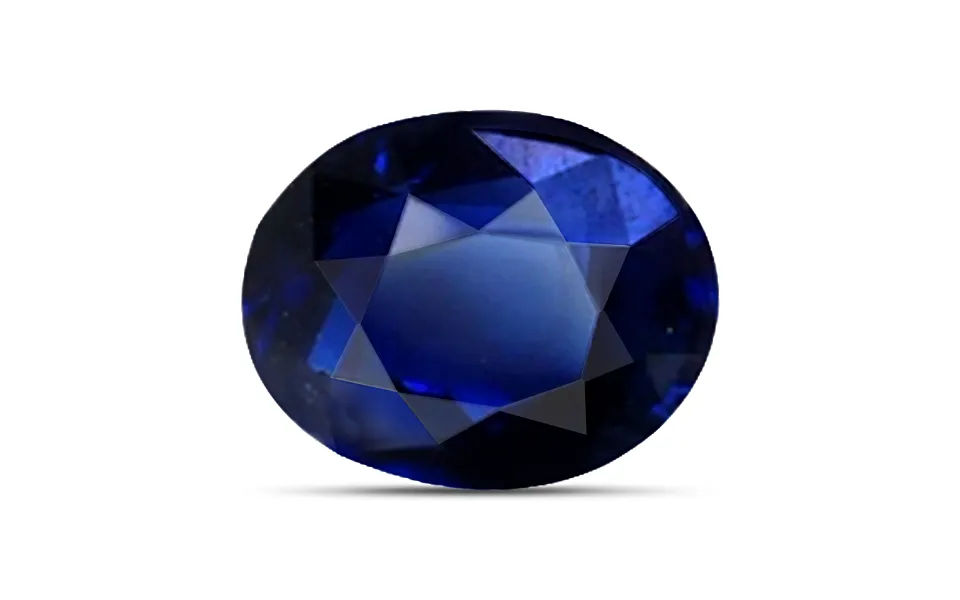
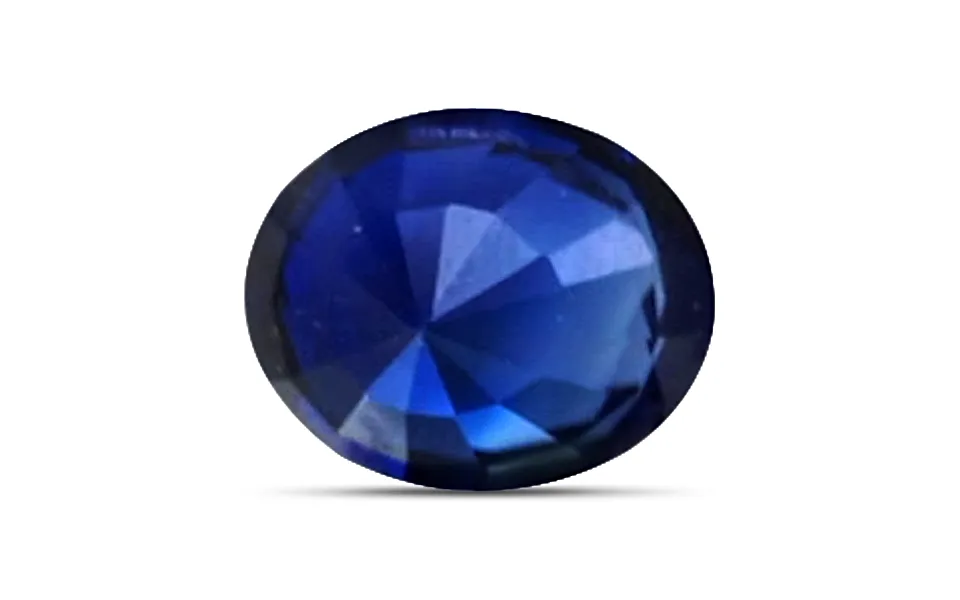
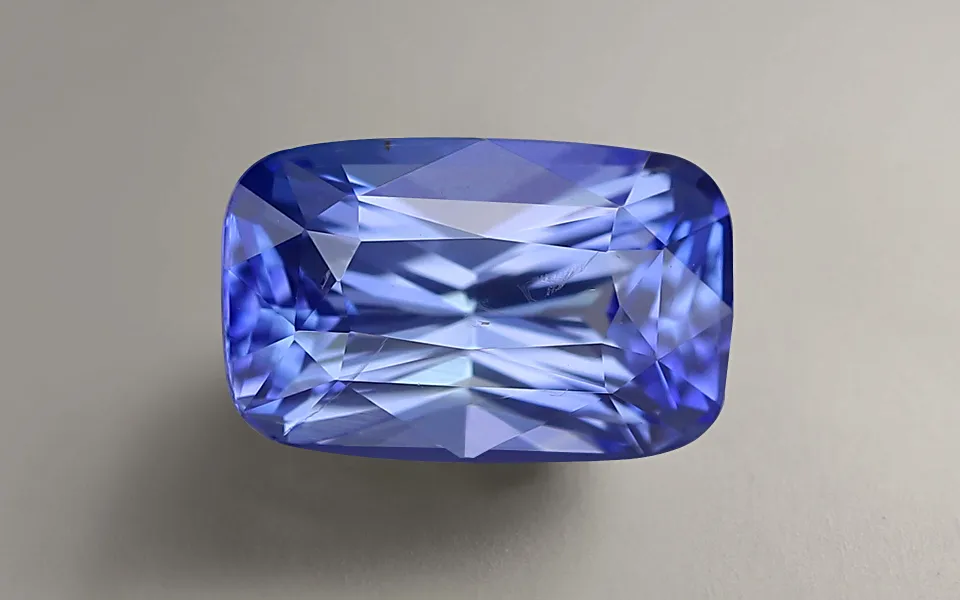
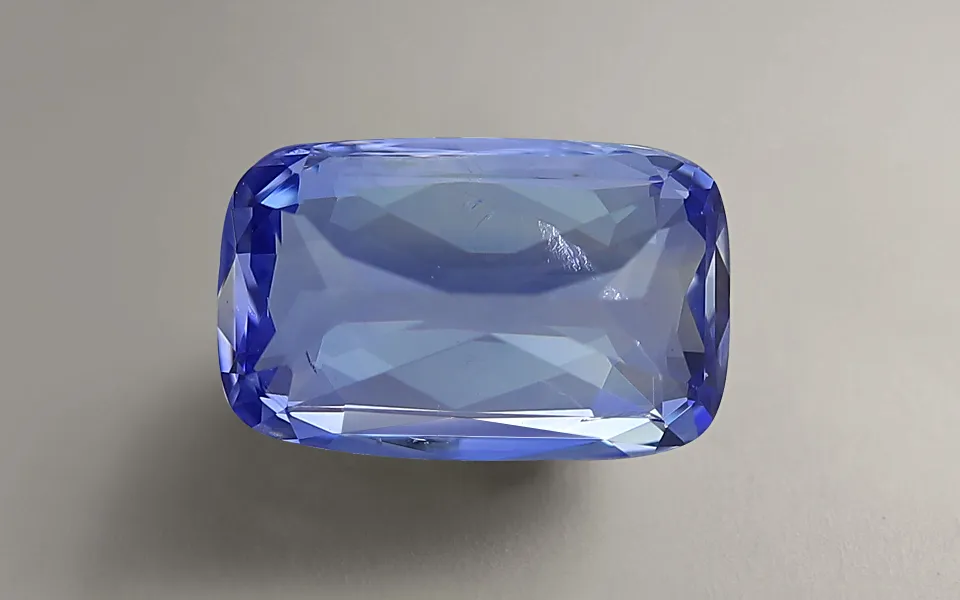
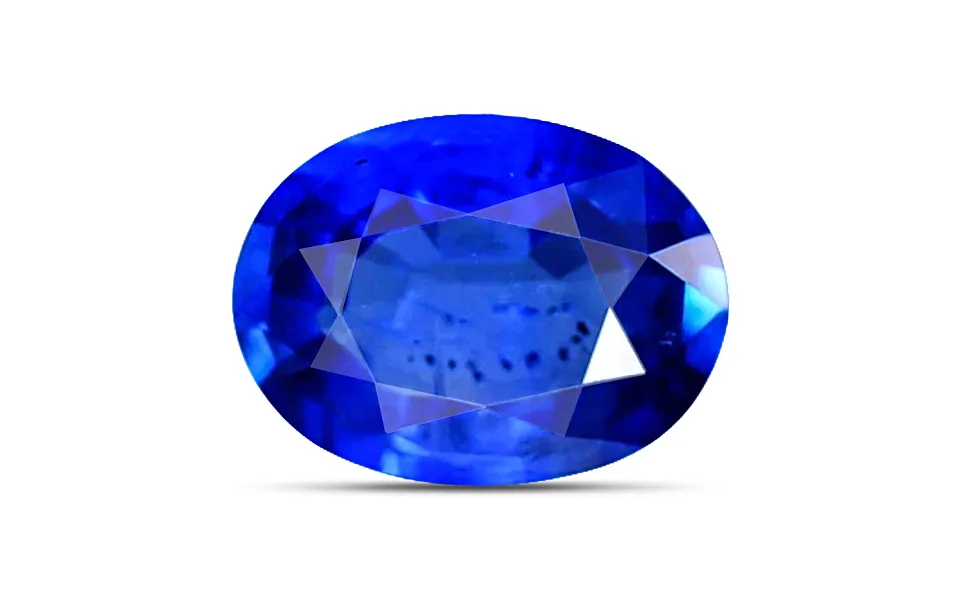
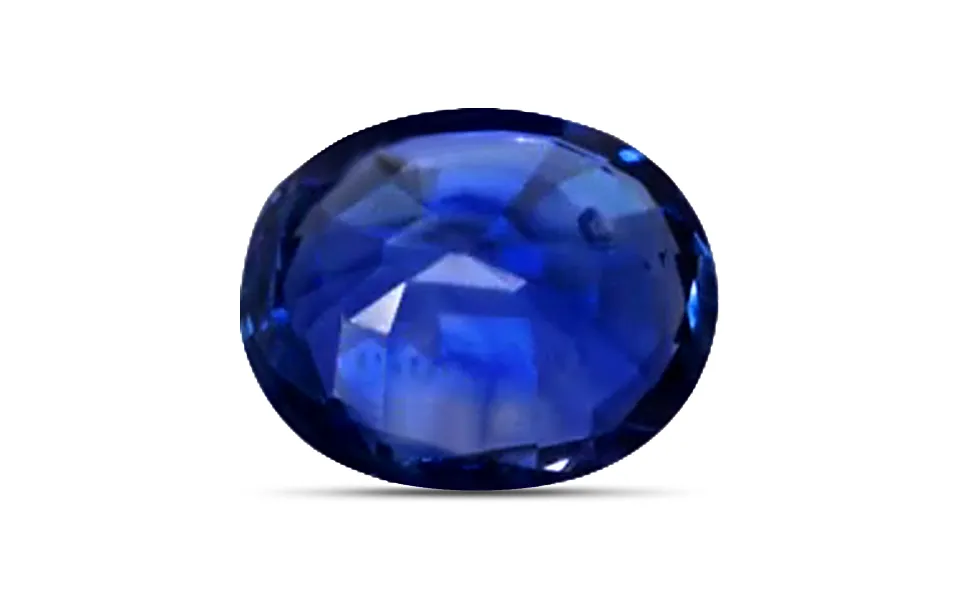
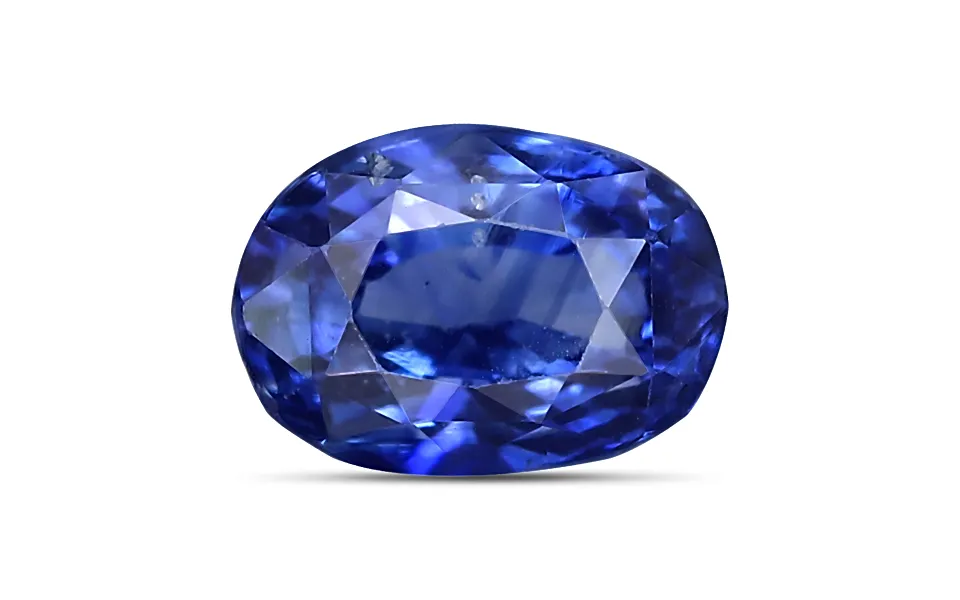
Blue Sapphire pricing is driven heavily by origin, color, and treatment status. Kashmir and Ceylon sapphires with a pure, even “cornflower” or royal blue tone, free from visible inclusions, are the most valuable. Unheated natural stones cost significantly more than heat-treated ones, and origin alone can change the price several times over for stones of similar visual quality — which is why a lab certificate stating origin and treatment is essential for this stone in particular.
Trishul Gems sources Blue Sapphires with verified origin and treatment certification, so buyers can match the stone to the specific astrological strength they’re seeking.
In Vedic astrology, Saturn is regarded as a powerful and quick-acting planet, and Blue Sapphire is believed to reflect its effects — positive or negative — more rapidly than most other gemstones. This is why it's traditionally trial-worn before being worn permanently.
Many astrologers recommend wearing Blue Sapphire for a short trial period, often a few days to a week, to observe its effects before committing to it long-term. This practice is specific to Neelam due to its intensity.
Yes, significantly. Kashmir and Ceylon sapphires with pure, even blue color and minimal treatment can cost several times more than visually similar stones from other origins, due to rarity and the absence of heat treatment.
No account yet?
Create an Account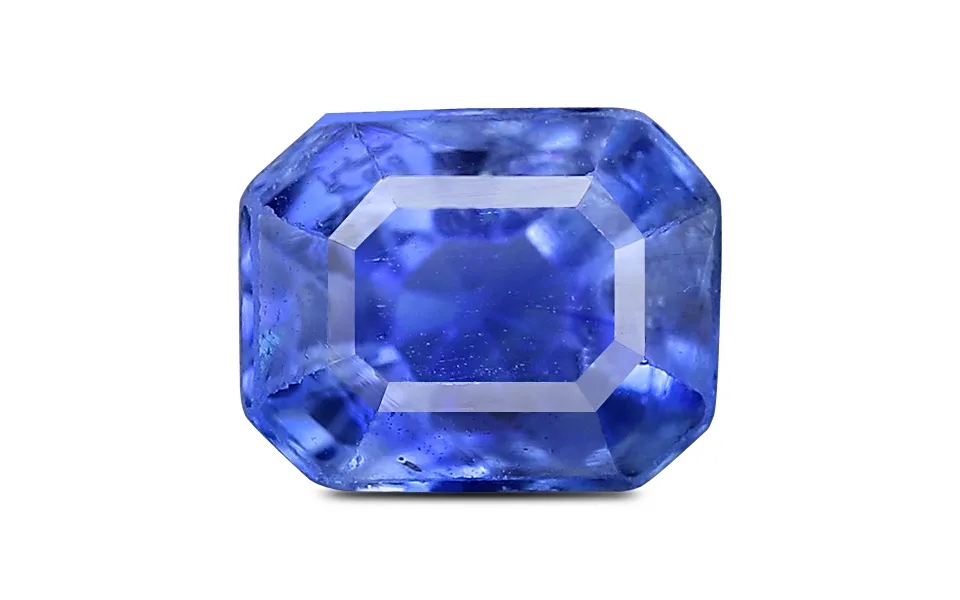
 Blue Sapphire
 Yellow Sapphire
 Emerald (Panna)
 Ruby (Manik)
 Red Coral
 Cats Eye
 Hessonite
 Pearl
Pearl White Sapphire
 Amethyst
 Citrine
 Fire Opal
 Garnet
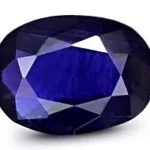 Iolite
 Navratna
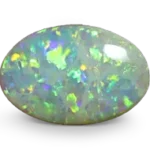 Opal
Opal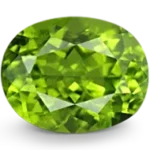 Peridot
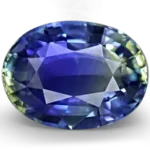 Pitambari Neelam
 Turquoise
 White Coral
 Yellow Topaz
 Zircon
 Alexandrite
 Burmese Ruby
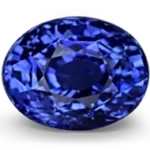 Cornflower Blue Sapphire
 Colombian Emeralds
 No Oil Emerald
 Panjshir Emerald
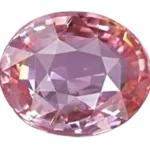 Padparadscha Sapphire
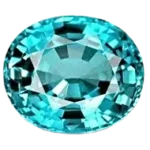 Paraiba Tourmaline
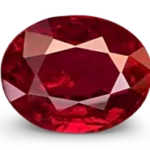 Pigeon Blood Ruby
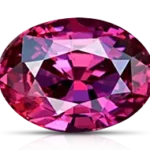 Pink Sapphire
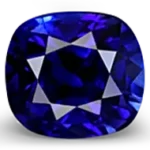 Royal Blue Sapphire
 Tanzanite
 Amber
Amber Ametrine
 Aquamarine
 Blue Topaz
 Blue Zircon
 Kyanite
 Lapis Lazuli
 Moldavite
 Moonstone
 Spinel
 Star Ruby
 Tourmaline